

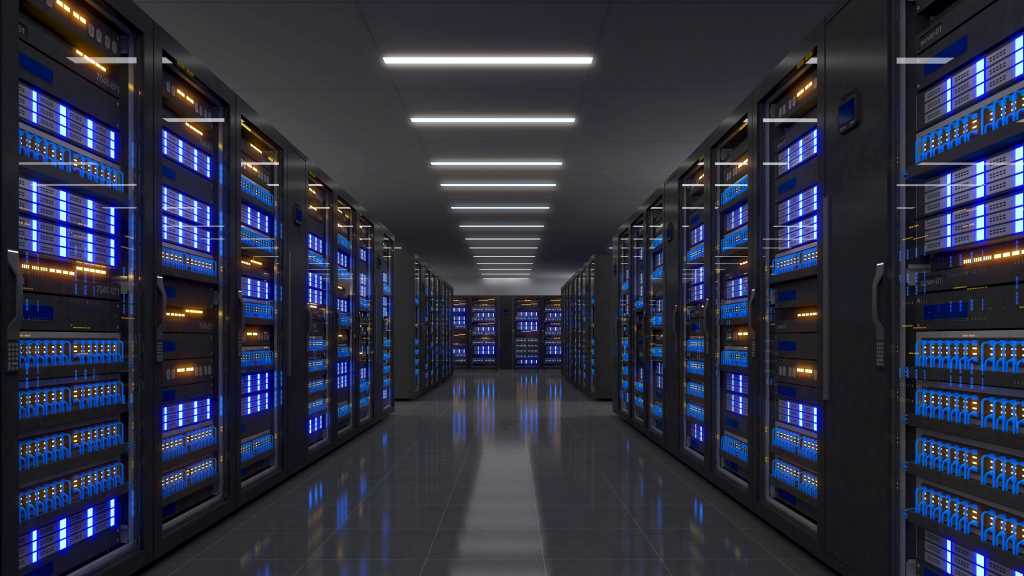

AI is transforming the data center — and straining its limits.
Traditional cooling methods can’t keep up with the rising density and power demands of artificial intelligence (AI) workloads, which are expected to drive a 4.2x increase in data center energy consumption between 2023 and 2028. In response, organizations are modernizing their infrastructure to achieve new performance goals without compromising energy efficiency or sustainability.
This is the story of how Schneider Electric turned inward, using its own liquid cooling and infrastructure offerings to reshape its global IT operations.
The challenge: Cooling for AI-era demands
Schneider Electric manages the data of over 130,000 employees across more than 200 plants and distribution sites worldwide, supporting 7 million compute hours per month with 46 petabytes of live storage. It’s one of the largest internal IT footprints in the world. As AI drove a surge in demand for high-density compute, conventional air cooling became insufficient.
Schneider also faced visibility, efficiency, and uptime challenges. Coordinating and optimizing energy across global locations with different workloads and equipment required new levels of monitoring, insight, and control. These demands led Schneider to pursue liquid cooling alongside new monitoring and infrastructure management tools.
Schneider’s approach: Drink your own champagne
Liquid cooling absorbs and transfers heat away from servers more efficiently than air, allowing data centers to support hotter chips, denser racks, and higher-performance systems without significantly increasing energy use. It also helps reduce cooling energy consumption, improve thermal efficiency, and shrink the physical footprint required to run advanced workloads. These capabilities are increasingly vital for organizations balancing aggressive AI adoption with equally aggressive carbon reduction goals.
Schneider Electric first established a baseline: How much energy was its IT infrastructure consuming, and where were the biggest opportunities to reduce load and emissions? Its EcoStruxure IT Data Center Infrastructure Management platform captured real-time power and emissions data across sites, then its Resource Advisor team built a dashboard to visualize trends over time. This allowed the company to make more informed decisions about refresh cycles and new technology migrations.
Schneider upgraded cooling systems to InRow Cooling units, deployed Smart-UPS devices to field locations to reduce downtime, and modernized its rack infrastructure with NetShelter solutions. Across all global sites, these changes addressed Schneider’s core challenges: modernizing cooling infrastructure, enhancing energy visibility, improving operational efficiency, and increasing uptime.
Results: Efficiency, resilience, and ROI
The benefits came almost immediately. In just one year, Schneider achieved:
- 30% reduction in energy consumption and carbon emissions;
- 50% fewer day-to-day IT tickets;
- 6x increase in business continuity across critical sites; and
- a payback period of under one year.
These results reinforced Schneider’s belief in liquid cooling as a driver of high-performance, sustainable infrastructure.
Rethinking infrastructure for what’s next
Schneider Electric demonstrated how AI preparations must go beyond capacity planning. Modern organizations need to rethink how they build, cool, and manage infrastructure to meet the challenges of the future.
To learn more, visit us here.
