

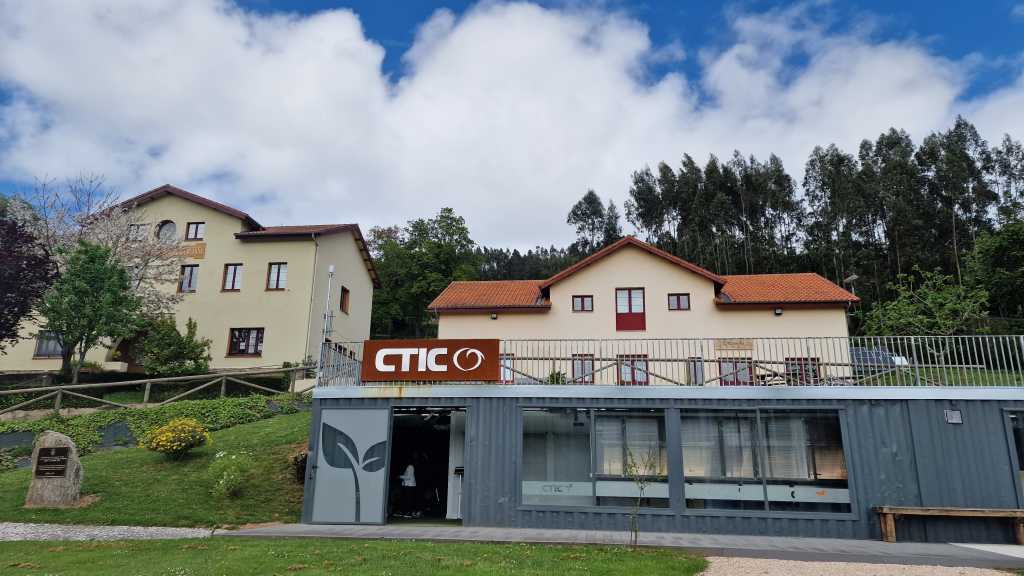

RuralTech remains focused on the enduring ideal to revitalize rural areas, and applies cutting-edge tools to address major challenges facing these territories, like climate change, which greatly impacts agriculture. “Many crops will no longer be able to be grown in the regions where they’re currently cultivated,” says Díaz. So it’s necessary to discover which varieties are most resistant to change, and to gather data to understand the new context. “We can control that,” he adds, emphasizing that technology makes it possible to perform analyses, better understand the soil, and differentiate what is and isn’t more resilient.
A time machine for the countryside
Cutting-edge IT tools now available include climate simulation systems and land-use intelligence, so crops can be monitored, and changes in the landscape can be understood. And thanks to the collected data, models are created that are applicable to other regions. As Díaz points out, the problems of the Asturian countryside aren’t unique and are repeated in other parts of Spain and throughout Europe. So applied to specific elements, these tools help improve the sustainability and efficiency of agricultural and livestock operations.
It’s like a time machine, says Fernando Ruenes, who, along with Ángela Campo, runs strawberry production company Asturiana de Fresas, and uses the CTIC simulator. They divide it into different planting zones and apply varying conditions to each. This way, they can predict outcomes in different contexts, and anticipate the effects of potential diseases, climate change, and water stress. “With the simulator, we have an advantage,” says Ruenes. “It’s about anticipating real-life situations.”
