By Ms Shilpee Ganguly.
Academic excellence is crucial, but it must not be the sole criterion for a child’s development. Today’s children need to learn to work together, feel for others, regulate their own emotions, and think critically. These are the life skills and values that will direct them long after the classroom is left behind. Arts, movies, and music are all central to this endeavor. They are not an addendum to the curriculum but an effective means to mould a child’s character and fortify their social and emotional pillars.
Why the arts matter in education
Art revolutionizes children’s learning. It brings lessons to life, makes them relevant, and easy to remember. Drama creates empathy through enabling learners to walk in someone else’s shoes, while filmmaking creates planning, organization, and collaboration. Music builds discipline, self-control, and patience, and visual arts hone observation and spark creativity. These help develop technical skills and social skills, which enable children to rehearse collaboration, communication, and accountability.
Art also provides room for introspection. Role-play, practice through music, or painting allows children to express emotions positively. Discussion about performances or creative output facilitated by staff helps them think through, comprehend, and regulate feelings. Rehearsals promote tenacity, whereas public performances instill confidence, resilience, and adaptation to criticism – skills with direct relationships to life success.
Music and film as catalysts of growth
Of all the creative arts, music and cinema are particularly influential. Music transcends language – it bridges feelings, creates rhythm and concentration, and unites children in harmony. Regular practice instils patience, and collective performances instil synchronization and cooperation. Cinema, being an inter-disciplinary art form, involves scriptwriting to operating cameras. It integrates narration, technology, imagination, and logistics. Learners learn leadership when they direct, cooperation when they perform, and responsibility when dealing with technicalities. Above all, film and music provide children with a voice and a platform to be heard, hence becoming confident in their identity.
Integration into the curriculum
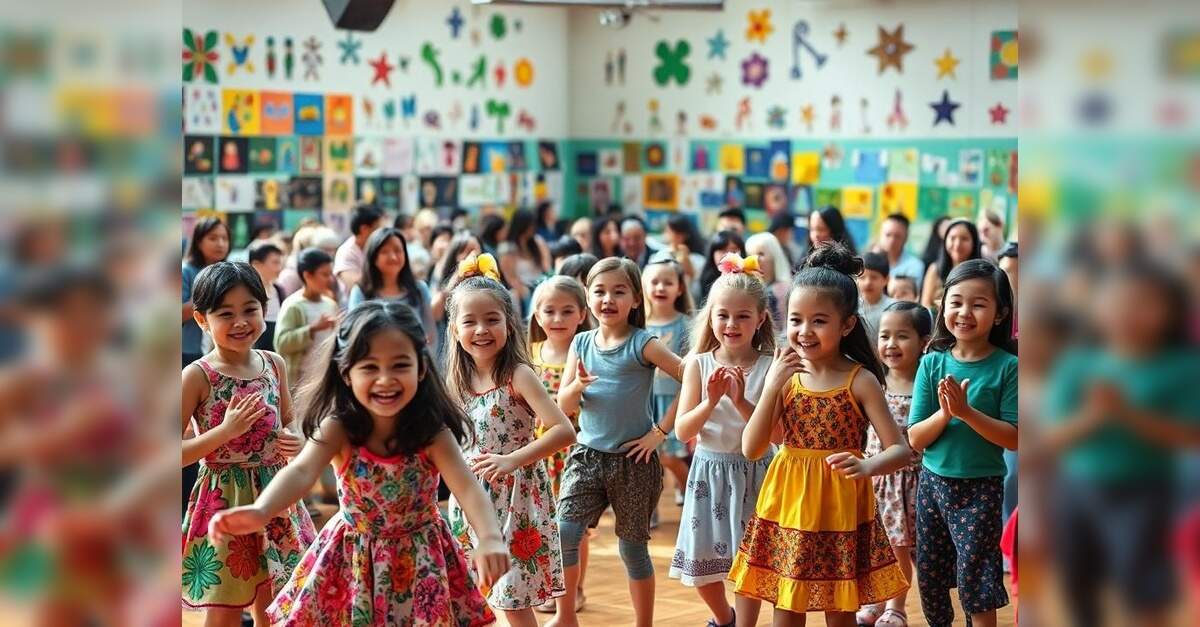
Throughout India, schools are incorporating drama, music, and film into their school timetables. Year-long drama and choir programme allow Learners to learn about roles on stage and in back-of-house, promoting creativity, teamwork, and leadership. Art workshops, concerts, and film productions bring Learners together with peers, educators, and wider community, fostering communication and confidence.
A number of non-profit organisation have also collaborated with schools to develop formal music and theatre curricula. These programs not only emphasize technical proficiency but also mindfulness, empathy, and introspection. For instance, programs that combine storytelling, yoga, and music foster overall development while aligning with current educational objectives.
The role of educators
In order to turn these initiatives worthwhile, educators and schools need to view arts not as extraneous but indispensable. Distinct blocks of time, specialist coaches, and clear life-skill connections should be incorporated into the curriculum. Educators are key in directing these activities with purpose—connecting art projects to objectives such as teamwork, perseverance, and self-knowledge. Teacher professional development guarantees that such practice is inclusive, organized, and effective.
A way forward
Imposing arts on Learners doesn’t have to be daunting. Schools can initiate with a theater project, a short film, or a music workshop for a single grade level. At each step, they can monitor outcomes, streamline approaches, and spread the scope. The most important thing is to approach these activities as exercises in character building rather than mere creative expression.
Conclusion
Music, art, and film are not extracurricular—these are at the heart of creating well-rounded, values-based citizens. When intentionally integrated into education, they construct children as imaginative, adaptable, assured, and compassionate individuals. These are the assets that equip them not only for examinations or career, but for life itself.
– The author of this article is the Director Principal of Centre Point Group of Schools