The rupee hitting a historic low of 92 against the US dollar on January 23 is likely to make imports ranging from crude oil to electronic goods, overseas education and foreign travel costlier, stoke inflation concerns, but may offer some relief to exporters.
The local currency has slumped by 202 paise, or over 2 per cent, so far this month. In 2025, it had plunged 5 per cent on unabated foreign fund outflows and dollar strength.
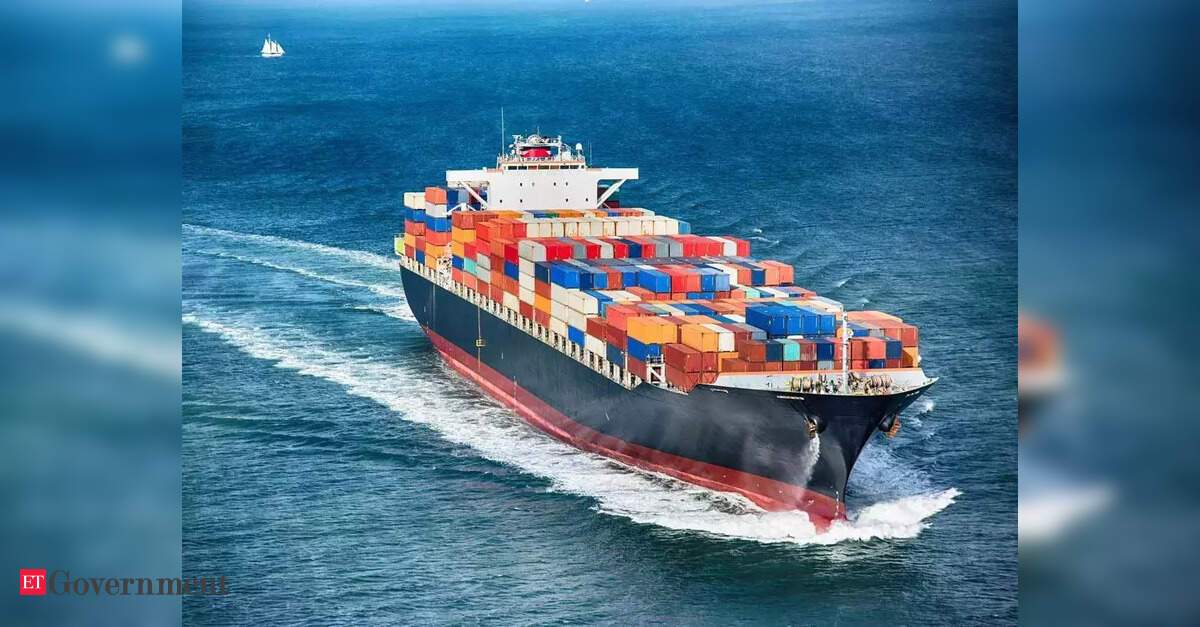
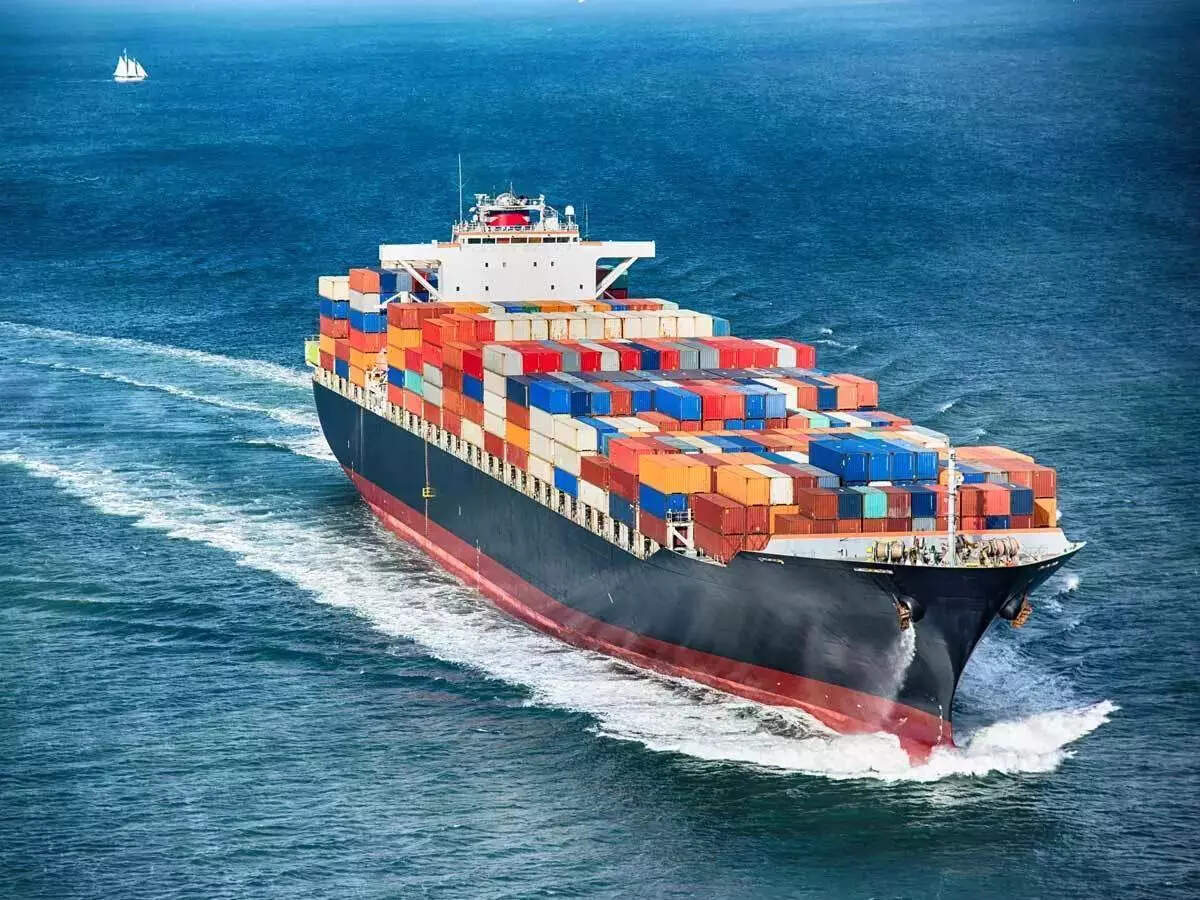
The immediate impact of a depreciating rupee is on importers who will have to shell out more for the same quantity and price. India is 85 per cent dependent on foreign oil to meet its needs for fuels, such as petrol, diesel and jet fuel.
However, it is a relief for the Indian exporters as they receive more rupees in exchange for dollars.
Here is how a continuously weakening rupee is likely to impact spending:
Imports:
The basket of Indian imports includes crude oil, coal, plastic material, chemicals, electronic goods, vegetable oil, fertiliser, machinery, gold, pearls, precious and semi-precious stones, and iron and steel.
Importers need to buy US dollars to pay for imported items. With the dip in the rupee, importing items will get more expensive. Not just oil but electronic items, such as mobile phone components, some cars and appliances, are likely to get expensive.
Foreign education:
A weaker rupee against the US dollar means foreign education becomes more expensive, as students will have to pay more rupees for every dollar charged by overseas institutions.
Foreign travel:
A weaker local currency means one has to pay more rupees to buy one US dollar for travel expenses.
REMITTANCES:
Non-resident Indians (NRIs) who send money back home will end up sending more in the rupee value.
Exports:
Exporters are likely to gain from the depreciation as they would get more INR from one USD. However, import-dependent exporters may not gain from the weakening of the Indian currency.
In theory, sectors with low import dependence, like textiles, should gain the most from a weaker rupee, while high-import sectors like electronics should benefit the least.
As per the latest data, the country’s imports rose by 8.7 per cent to USD 63.55 billion in December 2025. Trade deficit, difference between imports and exports, stood at USD 25.04 billion in December 2025 as against USD 24.53 billion in November last year and USD 22 billion in December 2024.
Crude oil imports, which are mostly priced in USD, rose by about 6 per cent to USD 14.4 billion in December 2025. Silver imports too increased by about 80 per cent to USD 758 million. However, gold imports dipped by 12 per cent to USD 4.13 billion.
Think tank GTRI has suggested that for India to achieve long-term economic stability, it must strike a careful balance between growth and inflation control while rethinking its rupee management and trade strategies.
According to the Federation of Indian Export Organisations (FIEO), on one hand, the depreciating rupee enhanced the price competitiveness of Indian products in the global markets, but for sectors with high import dependence such as gems and jewellery and electronics, the cost of imported inputs may partly offset the currency advantage.>