

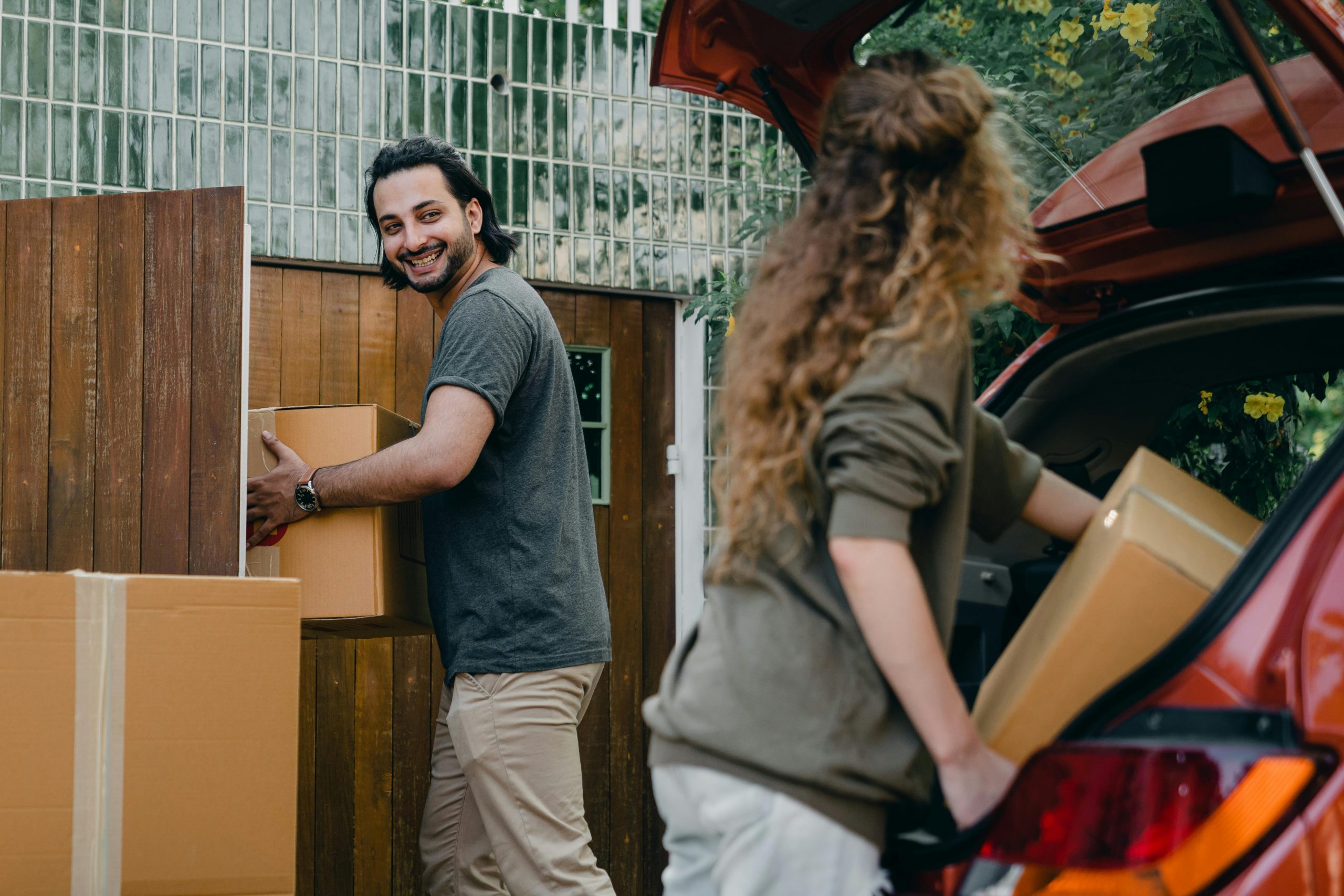
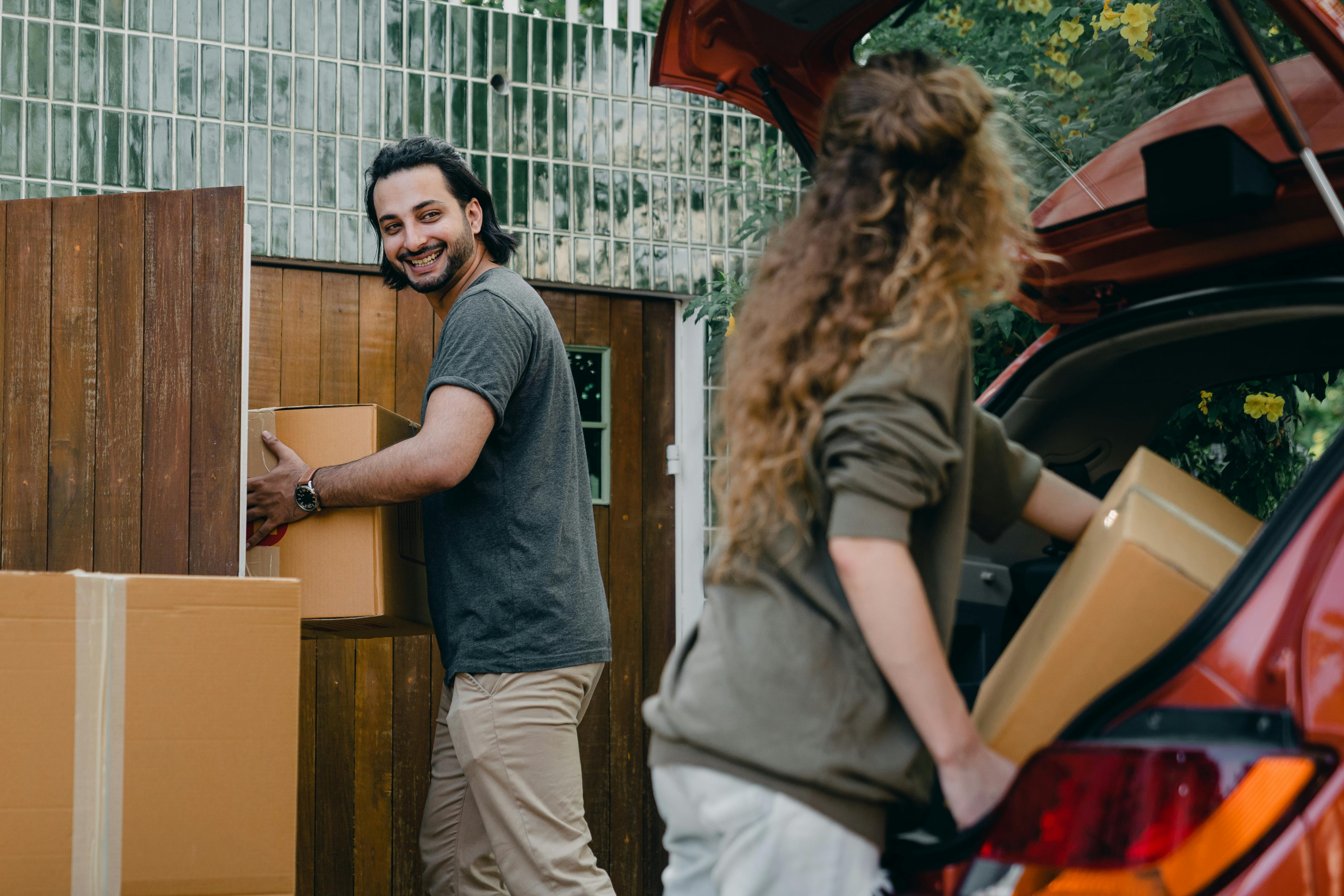
Moving to Florida can feel like a fresh start, whether you are chasing sunshine, new work, or a slower pace. The trick is to plan the details so your first months go smoothly. A little prep on paperwork, housing, and storm readiness goes a long way.
This guide breaks down the important things you will face once you cross the state line. You will learn about timelines, costs to expect, home upgrades that matter, and simple steps that save stress. Use these tips to land on your feet and start enjoying the good parts faster.
Handle Licenses, Registrations, And Paperwork Early
Florida has specific timelines for new residents, and they come up fast. Set aside a day in your first month to switch your driver’s license and register your vehicle. Take photos of current documents and keep them in a digital folder, so appointments are quick.
A state agency notes that new residents have 30 days to secure a Florida driver’s license and 10 days to title and register vehicles. Plan for appointments and bring proof of Florida insurance, identity, and address. If you are moving as a family, book back-to-back slots to avoid extra trips.
Make a checklist for voter registration, school records, and pet vaccinations. Many counties let you start forms online, which cuts waiting room time. If you lease, confirm that your name appears on utility bills to serve as proof of address when you visit the office.
Prepare For Heat, Storms, And Seasonal Surprises
Florida has real seasons, just not the ones you might expect. Summer heat can catch newcomers off guard, and late summer to fall brings storms. Build routines that help you adjust without overthinking it.
Set your home up for resilience and comfort. You will deal with humidity and storms, and impact windows are a smart choice for safety and comfort, since they can reduce outside noise and block harsh UV, which makes day-to-day life calmer. Add surge protectors, clear gutters, and trim trees before peak storm months.
Keep a go-bag with water, snacks, flashlights, batteries, and basic first aid. Store copies of IDs and insurance cards in a waterproof pouch. Practice a simple family plan for where to meet and who to text if cell coverage is spotty.
Make Your Home Safer And Quieter
Start with the shell of the house. Sealing gaps around doors, outlets, and attic hatches can lower bills and keep bugs out. A few hours with weatherstripping and caulk pays for itself in comfort.
Quiet homes feel calmer near busy roads or flight paths. Laminated glass and tight seals help cut noise and filter strong sunlight, which protects floors and furniture from fading. Add blackout curtains in bedrooms to improve sleep in bright mornings.
Small upgrades make a big difference during storms. Install window and door hardware rated for high winds. Brace garage doors and check the roof for loose shingles. Store patio furniture where you can move it fast before a storm watch.
Budget For Insurance, Utilities, And Everyday Costs
Sticker shock is common in your first year. Home insurance, flood coverage, and even car insurance can be higher than you expect. Electricity bills climb in the summer when the air conditioner runs longer.
One industry report found that average home insurance premiums in Florida have jumped sharply, passing $3,000 for many households. That means your monthly cash flow may need a buffer. Ask your insurer about wind mitigation credits after you complete home upgrades.
Build a realistic first-year budget with categories for premiums, HOA fees, yard care, and storm supplies. Compare power company rate plans if time-of-use options exist. Revisit the budget after 90 days and trim subscriptions you do not use.
- List your fixed costs first: rent or mortgage, insurance, car payment, and utilities.
- Add variable costs next: groceries, gas, childcare, and pet care.
- Keep a 3-month emergency fund for repairs and storm-related needs.
Choose Your Neighborhood With Lifestyle In Mind
Florida varies block by block. A beach-adjacent street can feel different from a spot a mile inland. Think about your daily routine and pick a location that fits it.
Drive your commute at rush hour before you sign. Visit the neighborhood at night and on weekends to get a full picture of noise and parking. If schools matter, check boundaries and after-school options well ahead of enrollment.
Look at flood maps and ask neighbors about drainage after heavy rain. Study HOA rules if you want to add a shed, fence, or solar later. If you crave walkability, test the sidewalks to groceries, parks, and cafes in real life.
Set Up Services And Routines In Week One
Treat your first week like a setup sprint. Internet, power, water, trash, and mail forwarding should go live quickly. Schedule any must-do repairs so you are not juggling contractors during storm season.
Create household routines that match Florida life. Run the dishwasher and laundry later at night to reduce heat inside. Wipe door tracks and sills monthly to keep moisture and sand from building up.
Use reminders to stay on top of the basics. A first-of-the-month checklist might include AC filter swaps, pool care, and lawn irrigation checks. Keeping up with small tasks prevents bigger repairs later.
Weekly: check the AC filter, empty the dehumidifiers, and walk the exterior for loose trim.
Monthly: test smoke detectors, rinse gutters and downspouts, flush sink traps.
Seasonally: service the HVAC, refresh the hurricane kit, inspect the roof, and screens.
Learn Local Rules, Exemptions, And Deadlines
Counties and cities set their own processes, and they matter. From parking permits to short-term rental limits, local rules can affect your plans more than state law. Read your county website before you move heavy projects forward.
Property tax relief might be available if the home is your primary residence. File your homestead exemption as soon as you qualify to lower your taxable value. Mark application deadlines on your calendar to avoid missing out for a full year.
Keep a simple document folder for permits, receipts, and correspondence. If you upgrade windows, roofs, or doors, collect product approvals and contractor licenses. Organized paperwork makes insurance renewals and claims smoother.
Build Your Network And Find Your Places
Settling in is about people as much as places. Start with your street and introduce yourself. Neighbors are often the fastest source of tips on lawn care, pest control, and storm prep.
Explore local parks, libraries, and community centers. Many towns host free festivals and outdoor movies that make it easy to meet others. If you have kids, check youth sports leagues and after-school clubs early in the semester.
Join a few local groups that match your interests. It could be a fishing meetup, photography club, or weekend running crew. A light social routine helps Florida feel like home faster.

Florida sets clear deadlines for new licenses and vehicle registrations. Schedule those tasks in your first month and keep proof of address ready. Plan for higher insurance, and ask about credits after upgrades like window reinforcements or roof work. Smart prep and simple routines keep stress low.
You are building more than a house setup. Choose a lifestyle that fits the weather and pace, and enjoy sunshine as routines take hold.
