As India accelerates its push to position itself as a global technology and manufacturing hub—particularly in semiconductors, digital infrastructure, and advanced innovation ecosystems—Europe is recalibrating its engagement with trusted democratic partners in the Indo-Pacific.
In this evolving strategic landscape, Belgium has emerged as a key European node linking research excellence, industrial depth, and gateway access to the wider European Union market.
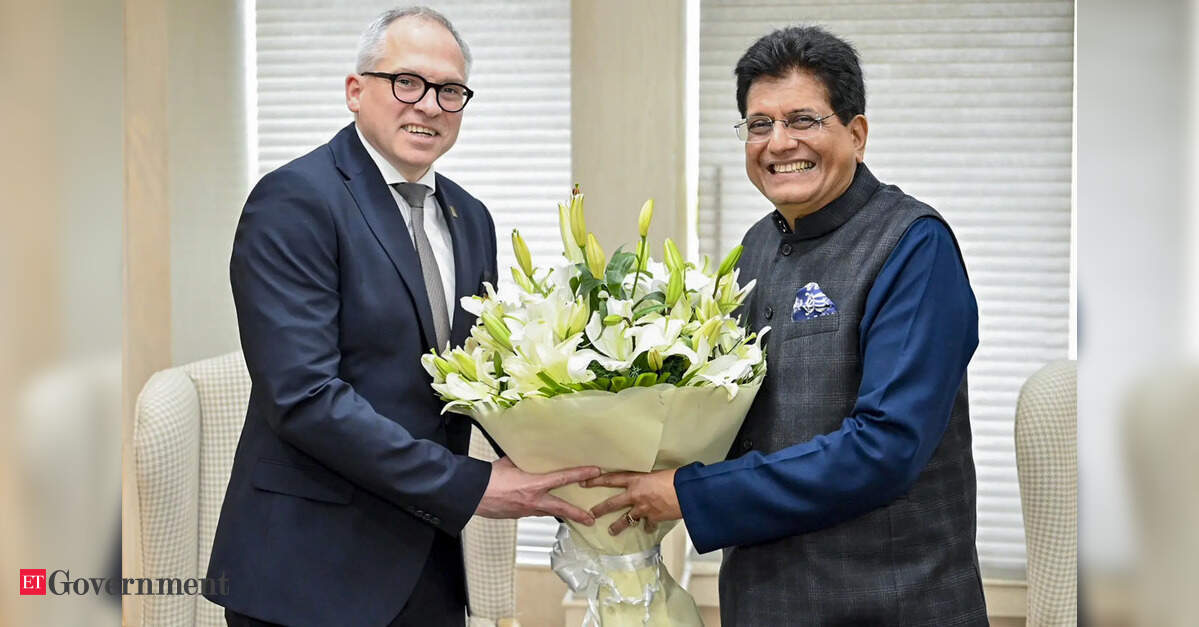
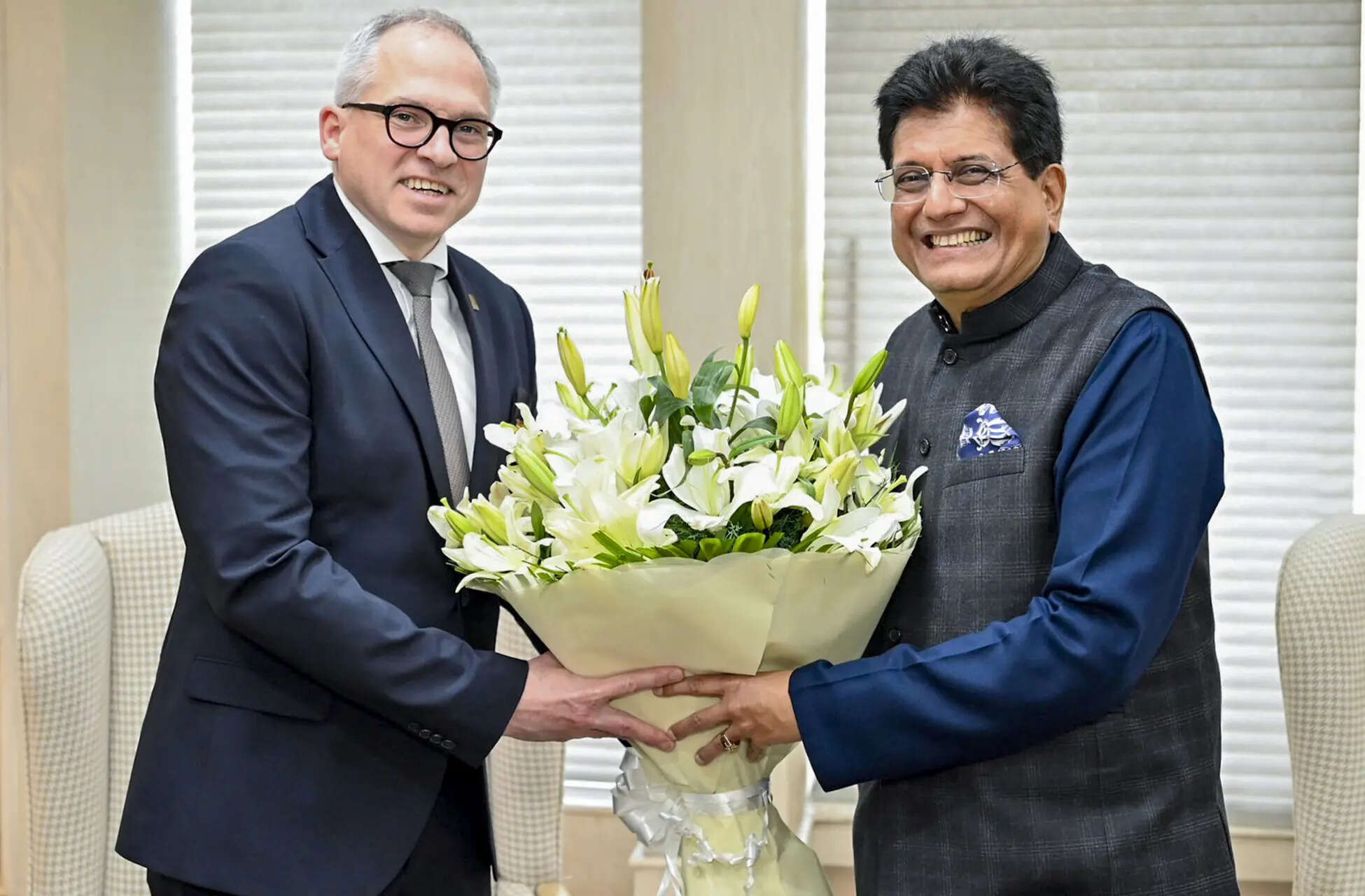
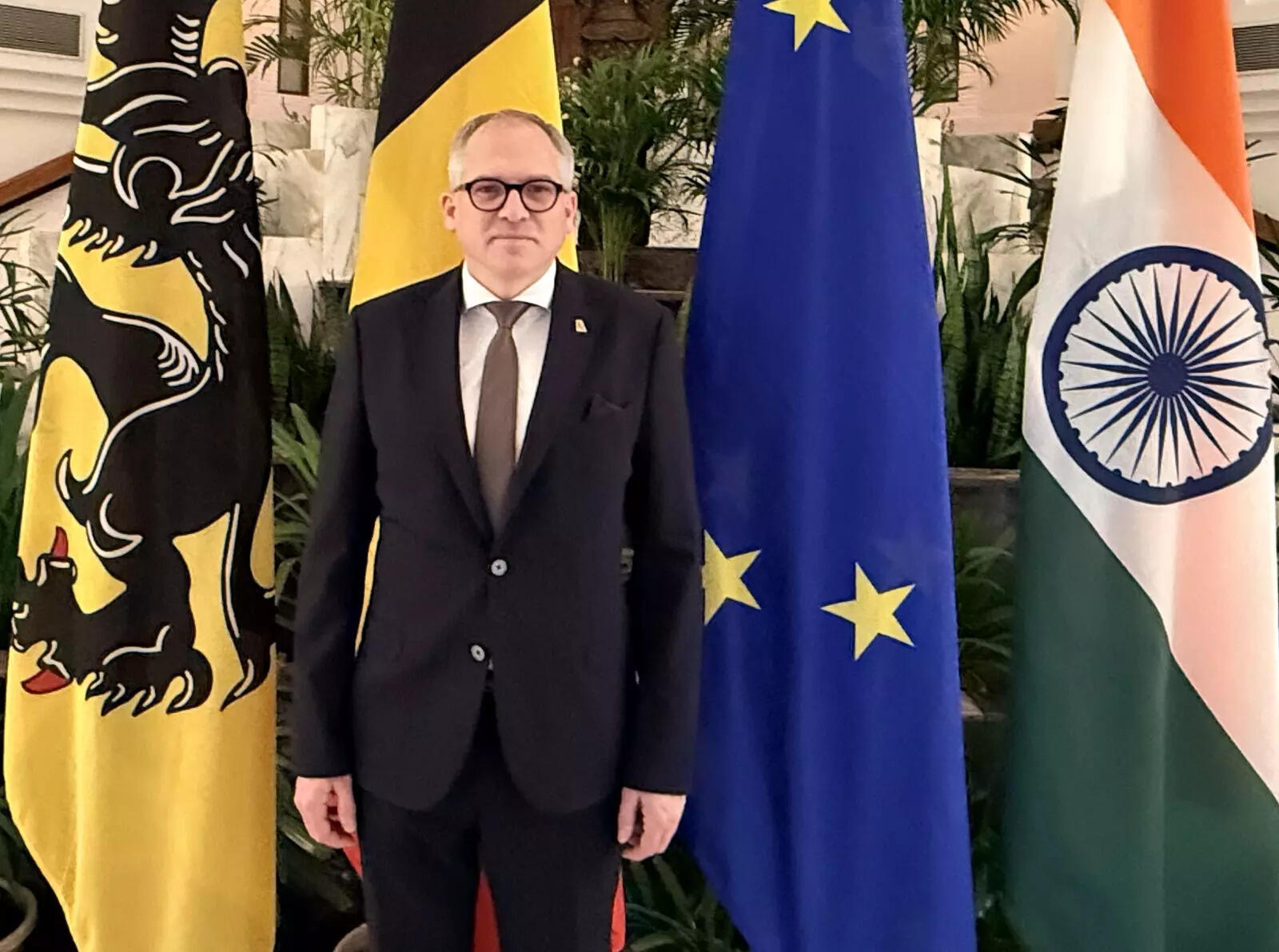
During his visit to India, Matthias Diependaele, Minister-President of Flanders and Flemish Minister for Economy, Innovation and Industry, Foreign Affairs, Digitalisation, and Facility Management, outlined an ambitious vision for strengthening India–EU ties. From semiconductor collaboration anchored in IMEC’s world-leading research ecosystem to defence, life sciences, logistics, and rules-based free trade under the India–EU framework, Diependaele positioned India as a strategic partner in a rapidly shifting geopolitical and economic order.
In this conversation with Anoop Verma, he reflects on the alignment between India’s technological ambitions and those of EU, the importance of rules-based trade in an era of global fragmentation, and the practical pathways through which both sides can elevate cooperation—from AI applications and semiconductor innovation to infrastructure, pharmaceuticals, and market access into Europe.
Edited excerpts:
During your engagements in India, what impressions have you formed about the country’s policy direction—particularly in Artificial Intelligence—and how do you assess the scope for long-term institutional alignment between India and EU?
Let me begin on a lighter note: I became acquainted with Indian cuisine last year, and I am already a fan. That was a very good opening for me. Of course, we are aware of the organisational complexities involved in hosting large-scale events. But what truly matters is the content — the ambitions and the goals. I see that the intentions of the Indian government and Indian society, particularly in the field of Artificial Intelligence, are very much aligned with the ambitions of EU nations, particularly Belgium. That creates a strong foundation. When countries can work together on the basis of trust, equality and mutual respect, it gives real hope for the future. I believe the Indian government has demonstrated exactly that spirit.
Belgium and India already share a strong trade relationship. In the field of AI, what kind of collaboration do you foresee between the two countries?
The possibilities in AI are virtually endless. However, from Belgium’s perspective — particularly from Flanders — our primary focus is not necessarily the race to develop foundational AI models. Instead, we focus on the application of AI: how it can be used, where it can be deployed, and how it creates value for society and the economy.
There is tremendous scope for cooperation, especially in strategic sectors. Let me begin with hardware. We had a very productive meeting with stakeholders from India’s semiconductor industry, along with government representatives. In Flanders, we host one of the world’s leading semiconductor research institutions — IMEC. Two weeks ago, we inaugurated a €2.5 billion investment in a pilot line for next-generation semiconductor technologies. This presents an area for collaboration, especially since India has ambitions in semiconductors and data centres.
Beyond hardware, there are enormous opportunities in chemicals, biotechnology, healthcare, and advanced research ecosystems. These are sectors where both sides can benefit greatly.
During your visit, did you interact with Indian leadership?
I had a brief handshake with Prime Minister Narendra Modi during the photo opportunity yesterday. We also just concluded a meeting with Minister Piyush Goyal. This was actually our third meeting — we met him during our economic mission to Delhi last March, and he also visited Brussels later in the year. We share a belief in free trade — but importantly, rules-based free trade built on trust. I think the direction the Union Government is taking, especially in the framework of the new Free Trade Agreement (FTA), is very positive.
The India–EU FTA has been signed, but implementation often presents challenges. How do you view the road ahead?
There will always be challenges. That is inevitable in any complex trade relationship. The key is having a foundation of trust, because challenges can only be resolved through dialogue. I have strong confidence in the Indian government’s commitment. Yes, implementation may take time — especially in democracies — but in the long term, things get done. And they get done in a legitimate and sustainable way. Democracy may sometimes move more slowly, but its long-term benefits are far greater. Prime Minister Modi himself once highlighted three strengths India offers: democracy, rule of law, and protection of intellectual property. These are extremely important pillars for European partners.
There is often discussion that India offers immense skilled manpower, while the EU nations bring advanced technologies and investment potential. How do you see this synergy evolving under the FTA?
I see this developing in both directions. EU companies are already investing in India. Many operate parts of their ICT functions here because of India’s vast talent pool of engineers. New investment announcements are being made regularly. At the same time, Belgium offers something strategically valuable: geographic positioning. We are effectively a gateway to the European Union. Within a 500-kilometre radius, you reach 60–70% of the EU’s total purchasing power. For Indian exporters looking to enter Europe, Belgium — together with the Netherlands — is one of the best entry points. So the partnership is not one-sided. It is genuinely reciprocal.
Which specific sectors hold the greatest potential for future trade growth?
Currently, machinery and equipment dominate trade flows. But there is substantial untapped potential in chemicals, pharmaceuticals, and healthcare. Flanders is exceptionally strong in pharmaceuticals and R&D. Belgium alone exports nearly as much pharmaceuticals as the entire United States — that gives you a sense of our scale and expertise. On our side, we can contribute significantly in clean energy technologies, dredging, harbour infrastructure, railway systems, renewable energy infrastructure, and advanced construction technologies. There is considerable complementarity.
Is there scope for deeper digital cooperation between the two countries, particularly in the context of the AI summit?
Cooperation with IMEC is central in this context. IMEC employs around 5,000 engineers and researchers and is globally recognised in semiconductor research. Politically, the next step is identifying the sectors where AI applications can generate the greatest shared benefit. That is a process of continuous dialogue and exploration.
Given that both India and the European Union are complex democracies, how do you see treaty implementation challenges being addressed?
All relationships — especially trade relationships — must be based on trust. The fact that India is a democracy is extremely important for us. Yes, democracy sometimes slows processes. But in the long term, it ensures stability, rule of law, and fairness. That reliability outweighs short-term delays. In Europe, we understand this well. Welfare and prosperity ultimately benefit from democratic governance.
Beyond economics, how do you view geopolitical cooperation between India and Europe in a rapidly changing world?
We must understand each other’s geopolitical positions. For example, within the European Union, there is a very strong perception that Russian actions in Ukraine are not just limited to Ukraine but represent a broader threat to Europe. India, meanwhile, maintains engagement with multiple global actors. We respect that. The key is mutual respect. For us, foreign policy is rooted in human rights, rule of law, and democratic values. These principles guide our external relations. Dialogue allows both sides to grow and learn from each other.
India has invested significantly in building a startup ecosystem. Is there scope for collaboration between startups in both countries?
We need stronger institutional connections between administrations to facilitate startup and scale-up collaboration. In Belgium, we also focus heavily on scaling startups into globally competitive companies. We can learn from each other’s models and create frameworks that strengthen both ecosystems.
In an increasingly fragmented global trade environment, how do you assess the importance of rules-based free trade, and what role do you see India playing within the evolving international economic order?
At this moment in global history, I believe the world needs a strong commitment to rules-based free trade. Free trade benefits everyone when it is grounded in clear rules and trust. India presents itself as a reliable alternative within the global system — and a rules-based approach to trade is central to that positioning.
Beyond trade and AI collaboration, how do you envision the broader strategic trajectory of India–Belgium relations, and which sectors do you believe will define the next phase of engagement between the two countries?
We see India as a strategic partner across multiple sectors. Defence cooperation has progressed significantly in recent years. Semiconductors, life sciences, logistics, space, and food & beverages all offer strong potential. Logistics is particularly relevant because of our position as a gateway to Europe. I hope that high-level visits in the future will help elevate our partnership further. And on a lighter note — my fiancée just texted me to say that Neuhaus, the Belgian chocolate brand, is opening a store at Mumbai Airport. That’s also a good symbol of our growing ties.