

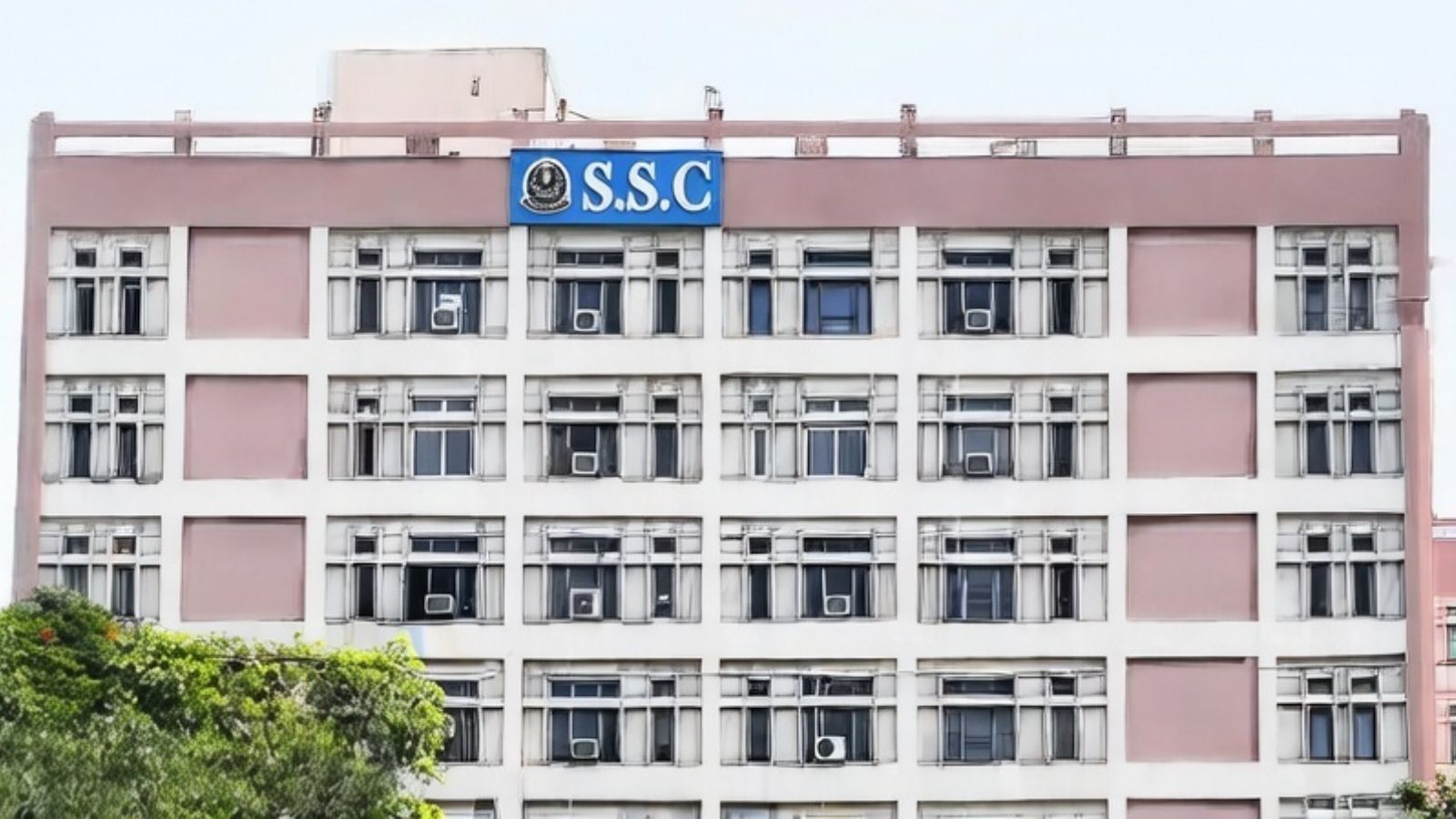
The Staff Selection Commission (SSC) may soon introduce a new ‘sliding mechanism’ for allocating posts to candidates selected through its recruitment examinations. In a recent notice, the commission said it is proposing the system to address a persistent problem — vacancies remaining unfilled even after final selections are made.
According to SSC, a significant number of posts remain vacant every year because some candidates do not appear for identity – document verification, while others decide not to join the department after selection. Since many SSC examinations involve multiple stages of evaluation, it is not feasible for the commission to maintain waiting lists, meaning the unfilled vacancies must be reported again in the next recruitment cycle.

The proposed sliding mechanism is meant to reduce such wastage of vacancies and allow eligible candidates another opportunity to move to better posts within the same exam cycle.
Why do SSC vacancies often remain empty?
The Staff Selection Commission conducts some of the largest recruitment examinations in India, attracting millions of applicants each year. Major exams such as the SSC Combined Graduate Level (CGL) and Combined Higher Secondary Level (CHSL) routinely see tens of lakh candidates applying for central government jobs.
These exams recruit candidates for Group B and Group C positions across ministries, departments and government organisations. Posts filled through SSC include roles such as Income Tax Inspector, Assistant Section Officer, Auditor, Tax Assistant, Data Entry Operator and clerical staff.
Despite thousands of vacancies being notified annually, the commission has observed that a portion of these posts ultimately remains vacant.
This usually happens when selected candidates skip verification stages or choose not to join after receiving the appointment offer. Because SSC cannot create a waiting list for many of its multi-stage exams, these vacancies must be carried forward to the next recruitment cycle.
Story continues below this ad
What exactly is the proposed ‘Sliding Mechanism’?
To tackle this issue, SSC has proposed introducing a single round of post reallocation within the same examination cycle.
Under this system, the commission will first allot posts to successful candidates in the First Round of Tentative Allocation (FRTA). The allocation will be based on candidates’ merit and the department preferences they submitted while applying for the exam.
However, this initial allotment will remain tentative until candidates complete an identity verification process at SSC regional offices using Aadhaar authentication.
It is during this stage that candidates will have to make an important choice — Fix or Float.
Story continues below this ad
Fix or Float: The choice that could decide your post
The new system introduces two options for candidates after the first round of allocation.
If a candidate chooses the ‘Fix’ option, they are essentially accepting the allotted post as final. This means they will not be considered for any further upgrade, even if a higher-preference post becomes available later.
Candidates who select the ‘Float’ option, on the other hand, indicate that they are open to being upgraded to a better post if vacancies arise. These upgrades will depend on merit as well as the candidate’s original preference list.
SSC has clarified that only one sliding round will be conducted, meaning candidates will get a single opportunity for such an upgrade.
Story continues below this ad
A similar “fix and float” style system is already used in several national-level entrance exam admission processes. Exams such as CUET UG, CUET PG, NEET UG and NEET PG follow a comparable counselling framework after results are declared. In these systems, candidates submit their preferred colleges or institutes during the counselling process through choice filling and choice locking.
If a candidate is not satisfied with the seat allotted in the first round, they can either accept the seat or keep their option “floating”, allowing them to be considered for a better or higher-preference seat in subsequent rounds of counselling. This approach helps the counselling authorities allocate seats more efficiently while giving candidates another opportunity to secure their preferred institute based on merit and availability.
What happens if someone doesn’t show for verification?
One of the main reasons for introducing the sliding mechanism is to deal with absentee candidates during the verification stage.
SSC plans to provide a limited window of around 10 days for candidates shortlisted in the first allocation round to visit the regional office and complete identity verification.
Story continues below this ad
If a candidate fails to appear within this window, they will be marked absent, and their candidature will not be processed further. These absences will create vacancies that can then be used in the sliding round, potentially allowing other candidates to move to higher-preference posts.
How will the ‘sliding round’ work in actual practice?
After the verification stage is completed, SSC will identify vacancies that have arisen due to absentee candidates. The commission will then conduct one round of sliding, where candidates who selected the Float option may be upgraded to higher-preference posts based on merit.
Once this process is completed, SSC will release an updated final result showing the revised post allocations. The commission will then forward the e-dossiers of selected candidates to the respective government departments, where the final document verification and appointment formalities will take place.
SSC has clarified that this final result will be binding on all candidates and departments.
Story continues below this ad
What if a candidate chooses ‘upgrade’ option, but does not join
This is where the float option carries some risk. If a candidate receives an upgraded post during the sliding round, they will be required to join that newly allotted position. If they fail to do so, they will lose both the previous and the upgraded posts.
In contrast, candidates who choose the Fix option will retain their original allotment. However, if they later decide not to join the job, the vacancy will simply be carried forward to the next recruitment cycle.
Does this change help aspirants?
While this is a proposed rule, however, for many candidates, the sliding mechanism could improve the chances of getting a preferred department within the same recruitment cycle. Aspirants who narrowly miss out on their top choices may benefit if vacancies arise due to absentee candidates.
At the same time, the system also requires candidates to carefully consider their ‘Fix-or-Float’ choice, since each option comes with different consequences.
