As India’s Global Capability Centre (GCC) ecosystem enters a new phase of strategic maturity, the spotlight is shifting beyond established metropolitan hubs to emerging destinations that promise scale, talent, and policy agility.
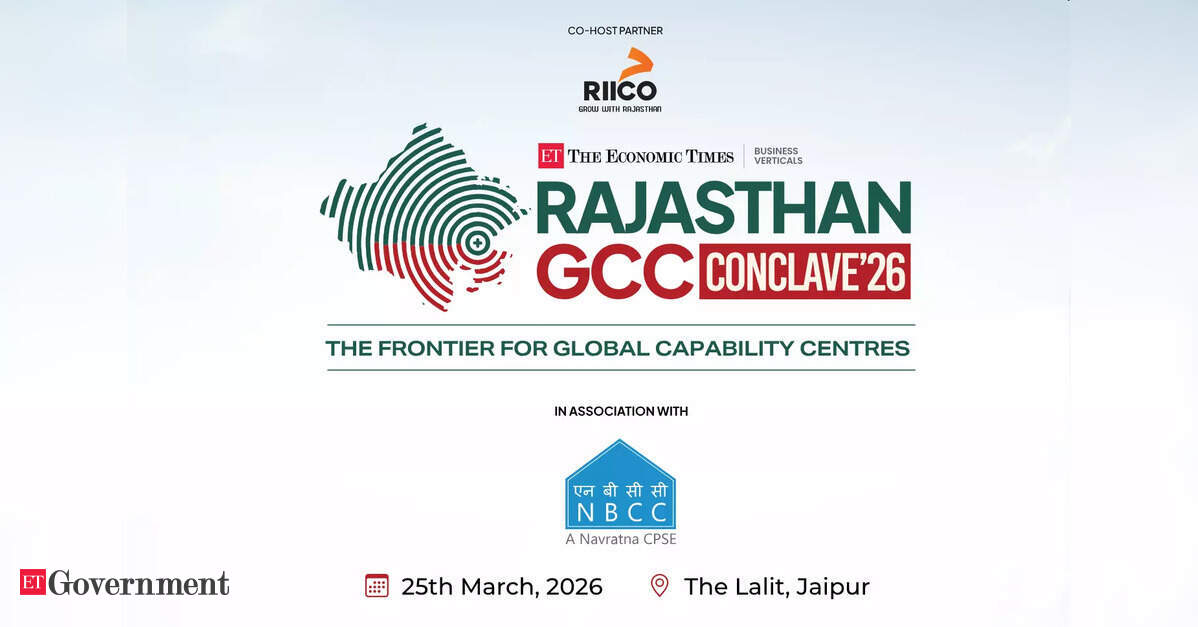
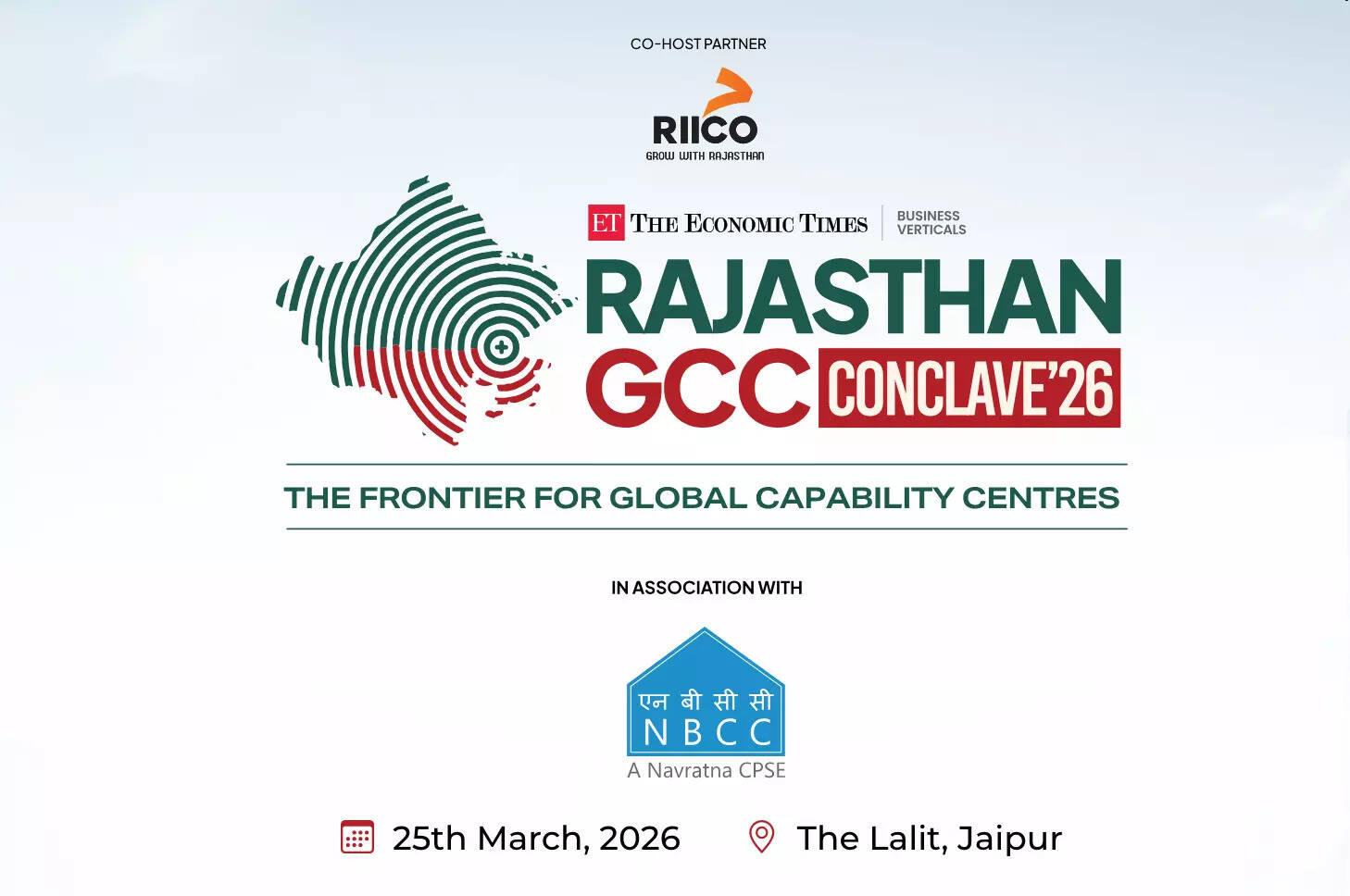
Against this backdrop, the Rajasthan GCC Conclave 2026, being held on March 25 at The Lalit, Jaipur, arrives at a critical inflection point—not merely as a conference, but as a statement of intent from a state positioning itself at the frontier of global enterprise transformation.
Organised by ETGovernment – The Economic Times, in association with the Rajasthan State Industrial Development and Investment Corporation (RIICO), the conclave will bring together policymakers, global business leaders, GCC heads, investors, and innovators to deliberate on the evolving role of GCCs as engines of enterprise-wide innovation, efficiency, and long-term value creation.
Over the past decade, GCCs in India have undergone a profound shift—from back-office support units to strategic hubs driving digital transformation, advanced analytics, R&D, and global decision-making. Rajasthan is now seeking to plug into this transformation by leveraging a combination of cost competitiveness, a rapidly expanding talent pool, and improving digital and urban infrastructure.
At the heart of this ambition lies the Rajasthan GCC Policy 2025, which will form a central theme of the conclave’s inaugural session. The policy reflects the state’s intent to create a conducive ecosystem for global enterprises to establish and scale advanced capability centres, positioning Rajasthan as a credible alternative in India’s GCC landscape.
The inaugural session will feature the inaugural address by Rajyavardhan Rathore, Minister for Industries and Commerce, followed by key voices shaping the state’s industrial and governance agenda, including V. Srinivas, Chief Secretary, Government of Rajasthan, and Shikhar Agrawal, Additional Chief Secretary (Industries & Commerce) and Chairman, RIICO. These interventions are expected to outline both the policy vision and execution roadmap that underpin Rajasthan’s GCC aspirations.
Beyond policy articulation, the conclave is designed as a platform for substantive dialogue across critical themes: the future trajectory of India’s GCC ecosystem, the role of innovation and startups in augmenting GCC capabilities, the availability of skilled talent, and the readiness of infrastructure to support high-value global operations. The participation of over 40 speakers and a diverse mix of industry stakeholders underscores the growing strategic importance of these conversations.
What distinguishes this moment is the convergence of global enterprise demand and regional capability. As multinational corporations look to diversify their operational footprints and build resilient, innovation-driven centres, states like Rajasthan are positioning themselves not just as cost-effective destinations, but as integrated ecosystems capable of supporting next-generation digital and knowledge functions.
In that sense, the Rajasthan GCC Conclave is less about announcing intent and more about demonstrating readiness. It seeks to answer a defining question for India’s next growth cycle: can emerging states move beyond participation to leadership in the global capability value chain?
As deliberations unfold in Jaipur, the answer may well shape the geography of India’s digital economy in the decade ahead.