As India observes Unani Day on 11 February, commemorating the birth anniversary of Ḥakīm Ajmal Khan, we are reminded that medical traditions are not relics of the past — they are living knowledge systems that evolve with society.
In an age defined by technological progress, rising life expectancy, and at the same time an unprecedented burden of lifestyle disorders, the relevance of Unani medicine lies not in nostalgia, but in its philosophy of balance, prevention, and human-centred care.
At its heart, the Unani System of Medicine views health as equilibrium — a finely tuned balance of temperament (Mizaj) and the four humours: Dam, Balgham, Safra, and Sauda. Disease is understood not as an isolated event but as a disturbance of this systemic harmony, influenced by how we eat, sleep, work, think, and interact with our environment — the Asbab-e-Sitta Zarooriya, the six essential determinants of life.
Treatment, therefore, does not merely target symptoms; it seeks to restore order within the body, guided by the innate healing power known as Tabiyat.
This worldview aligns closely with contemporary scientific discussions on personalised medicine, preventive healthcare, and lifestyle modification. Today’s epidemics — diabetes, hypertension, obesity, stress disorders, metabolic syndromes — are not caused by microbes alone but by an imbalance in daily living.
Unani medicine, with its emphasis on dietotherapy, regimen therapies, and natural pharmacotherapy, speaks directly to this reality. Its methods are particularly valued in chronic and non-communicable conditions, where long-term lifestyle regulation and patient engagement are as important as medical intervention.
Yet the contemporary relevance of Unani medicine is not philosophical alone; it is institutional and scientific as well. India today hosts a vast network of Unani hospitals, dispensaries, educational institutions, and qualified practitioners integrated within the national Ayush framework.
Research led by the Central Council for Research in Unani Medicine (CCRUM) spans pre-clinical and clinical studies, drug standardisation, medicinal plant conservation, and literary scholarship. Standard Treatment Guidelines, quality certifications, pharmacopoeial standards, and digital knowledge platforms demonstrate that the system is being strengthened through evidence, regulation, and technology.
Importantly, Unani medicine does not stand in opposition to modern medicine. It complements it. Modern diagnostics and emergency care save lives; Unani contributes to long-term health management, rehabilitation, and improvement in quality of life. In integrative settings, this partnership reflects a mature healthcare philosophy — one that recognises that human well-being is multidimensional.
India’s role in this journey is significant. The country has not only preserved Unani heritage but also institutionalised it through structured education, research infrastructure, and public health delivery. International collaborations, recognition of scientific resources, digital outreach tools, and innovation in product development reflect a system moving confidently into the future.
The inclusion of traditional medicine perspectives in global health classifications and ongoing collaboration with international bodies further signal that traditional knowledge systems are entering the mainstream of global health discourse.
This year’s Unani Day, marked by a national conference on “Innovation and Evidence in Unani Practice,” reflects this direction. The conversation is no longer about tradition versus modernity; it is about how knowledge systems can responsibly evolve, be scientifically examined, and serve society’s changing health needs.
Unani medicine ultimately represents a broader idea — that healthcare must be humane, preventive, sustainable, and rooted in an understanding of the individual as a whole. As India advances toward universal health coverage and a preventive health model, such perspectives are not alternatives; they are essential complements.
On this Unani Day, our commitment is clear: to strengthen research, education, quality assurance, and global engagement, ensuring that this time-honoured yet forward-looking system continues to contribute meaningfully to the health of our people and to global conversations on holistic care.
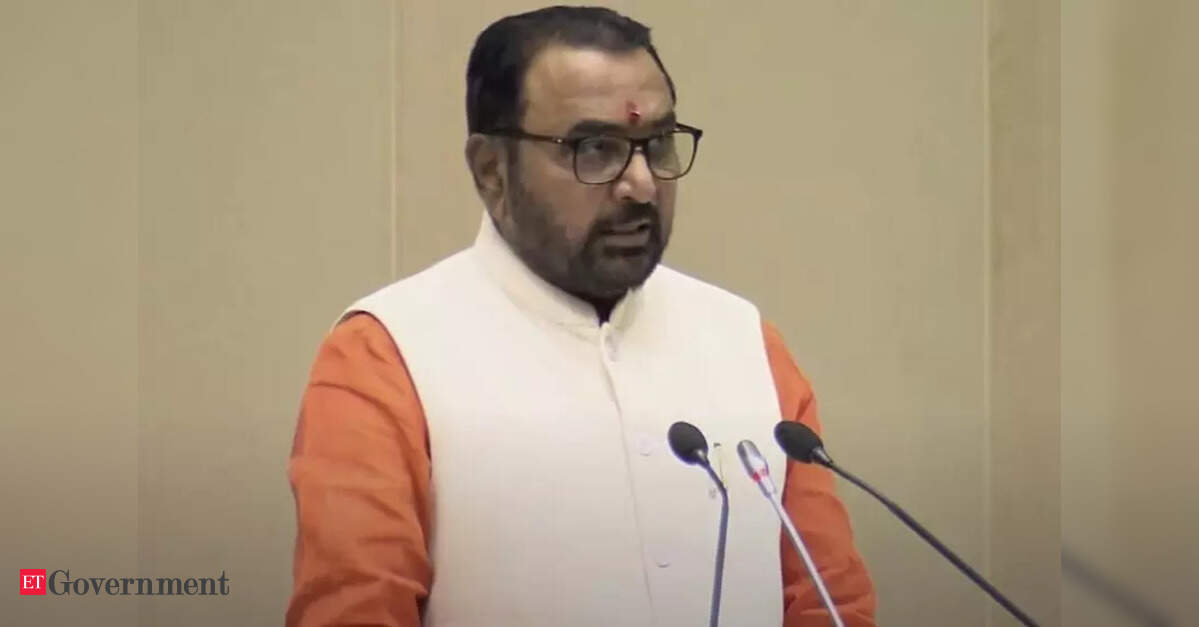
(The author is Union Minister of State (Independent Charge) for AYUSH; Views expressed are personal)