


And so, Docker was born, with the open source project quickly picking up traction with developers and attracting the attention of high-profile technology providers like Microsoft, IBM, and Red Hat, as well as venture capitalists willing to pump millions of dollars into the innovative startup. The container revolution had begun.
What are containers?
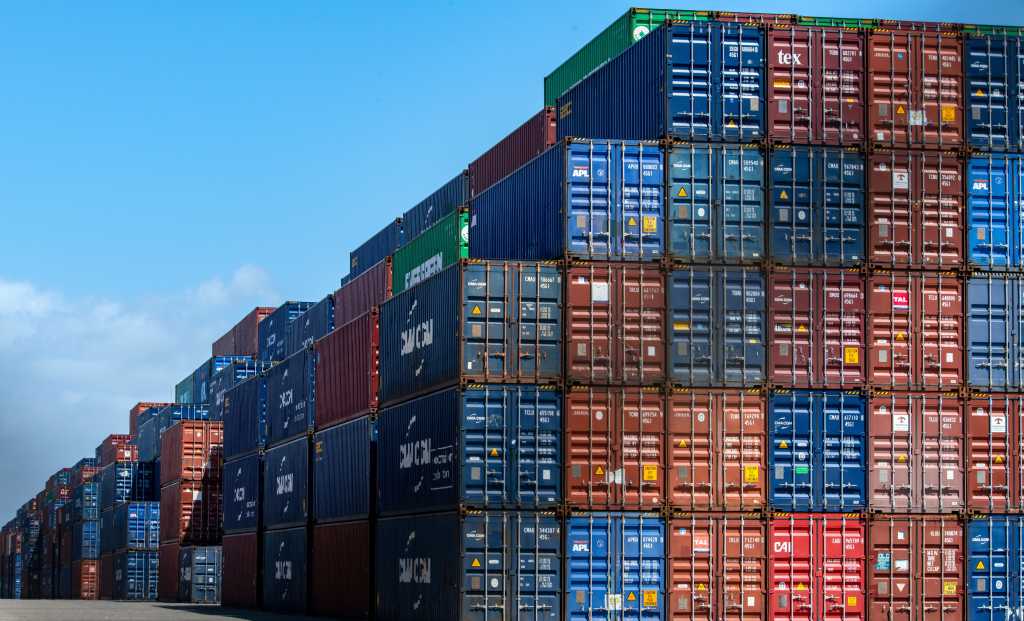
As Hykes described it in his PyCon talk, containers are “self-contained units of software you can deliver from a server over there to a server over there, from your laptop to EC2 to a bare-metal giant server, and it will run in the same way because it is isolated at the process level and has its own file system.”
The components for doing this have long existed in operating systems like Linux. By simplifying their use and giving these bits a common interface, Docker quickly became close to a de facto industry standard for containers. Docker let developers deploy, replicate, move, and back up a workload in a single, streamlined way, using a set of reusable images to make workloads more portable and flexible than previously possible.
