India on Friday formally joined the US-led Pax Silica coalition, marking a step in cooperation on artificial intelligence (AI), semiconductors and critical supply chains, ET Online reported. The two countries signed the Pax Silica Declaration on the sidelines of the India AI Impact Summit 2026.
The declaration positions resilient technology and industrial supply chains as central to economic security, while identifying AI as a transformative force for long-term global prosperity.
Pax Silica is the US Department of State’s flagship framework aimed at building a trusted network of partners across the technology and semiconductor ecosystem.
The signing follows an interim trade agreement between India and the US earlier this month, which officials said addressed long standing friction points and laid the foundation for deeper economic and technology integration across the Indo-Pacific.
US Under Secretary of State for Economic Affairs Jacob Helberg, speaking at the summit, described the declaration as a roadmap for a shared future and framed the initiative as a response to over-concentrated and vulnerable global supply chains.
Invoking an anecdote attributed to Alexander the Great’s retreat from India, Helberg said both nations were forged in the assertion of sovereignty and self-determination. He argued that the partnership reflects a shared resolve to avoid “weaponised dependency” and economic coercion.
“So today, as we sign the Pax Silica Declaration, we say no to weaponised dependency, and we say no to blackmail. And together, we say that economic security is national security,” he said, adding that sovereignty stems from domestic industrial capacity and innovation rather than global bureaucracies.
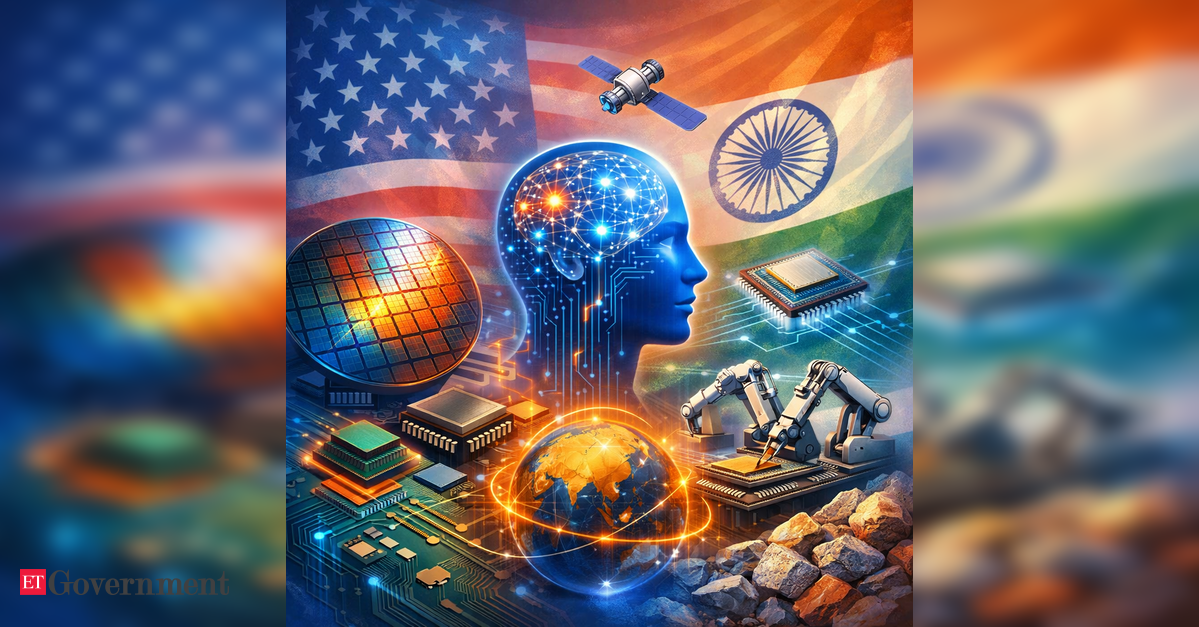
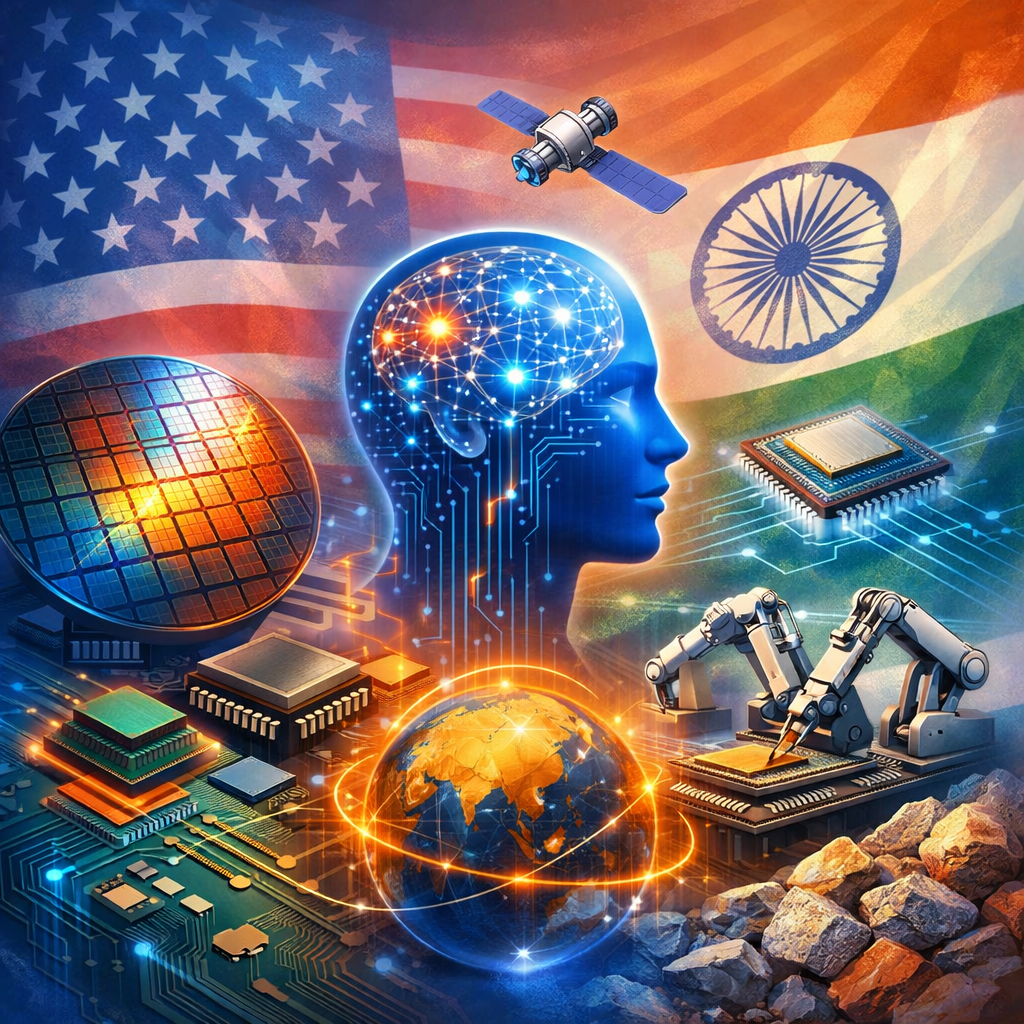
US Ambassador to India Sergio Gor said India’s entry into Pax Silica was strategic and essential, calling the initiative a coalition designed to secure the entire “silicon stack” — from critical mineral extraction and chip fabrication to advanced AI deployment. He linked the move to broader bilateral cooperation spanning trade, defence and technology.
The framework includes signatories such as Australia, Greece, Israel, Japan, Qatar, South Korea, Singapore, the UAE and the UK, while Canada, the Netherlands, the European Union, the OECD and Taiwan are participating in related engagements.
Helberg is in India as part of a US delegation led by White House Office of Science and Technology Policy Director Michael Kratsios. The visit includes discussions on emerging technologies and the next phase of the US AI Exports Program.
The agreement comes shortly after India’s participation in the Critical Minerals Ministerial in Washington, where External Affairs Minister S Jaishankar called for structured international cooperation to ‘de-risk’ supply chains and reduce excessive concentration risks, ET Online reported.