As India positions itself as one of the world’s fastest-growing startup ecosystems, the spotlight is increasingly turning toward higher education. With record venture capital flows, a vibrant digital economy, and policy momentum supporting entrepreneurship, a critical question is emerging: are Indian campuses equipped not just to prepare students for placements, but to cultivate founders capable of building scalable enterprises? The conversation around management education is steadily shifting from employability metrics to enterprise creation.
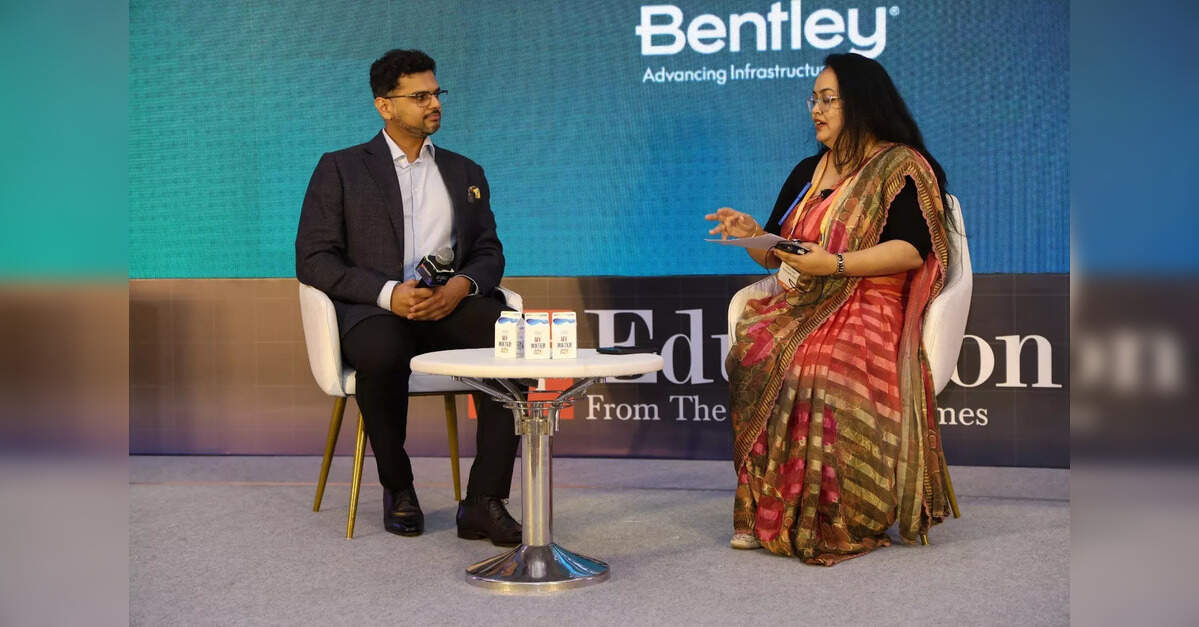
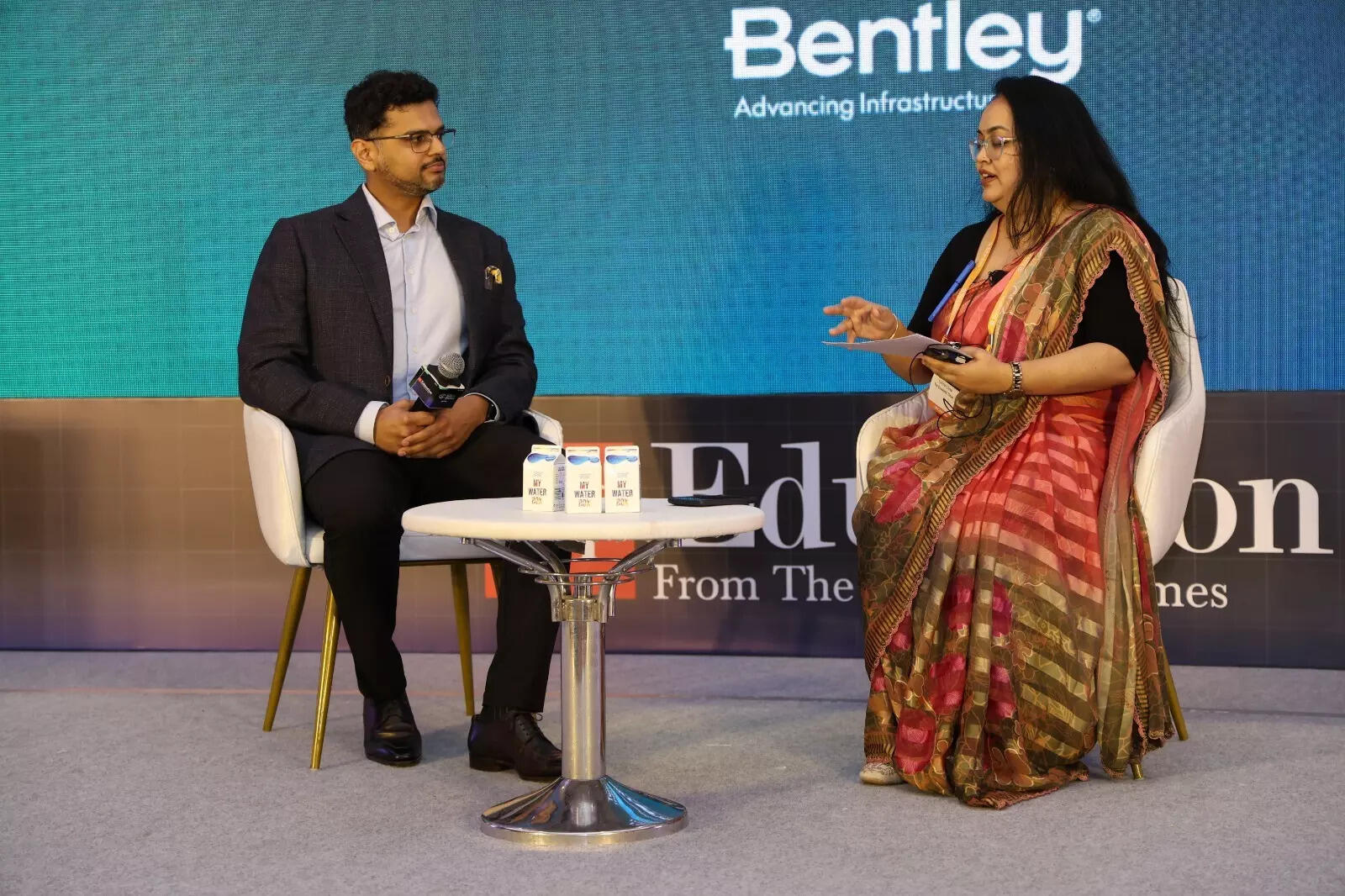
It was against this broader backdrop that a fireside chat at the ETEducation TechEdu India Summit explored whether campuses can evolve from producing placement-ready graduates to nurturing IPO-ready founders. Mudit Dalmia, Vice President, N. L. Dalmia Educational Society, in conversation with Vaishnavi Desai, Senior Assistant Editor – Emerging Tech, ETCIO & CISO, The Economic Times, unpacked what it would take to transform MBA classrooms into genuine startup launchpads.
Dalmia began by reframing the national focus on job creation. While expanding employment remains essential, he argued that institutions must now interrogate a more fundamental question: what kind of entrepreneurs are they shaping? For campuses to truly enable enterprise creation, theoretical instruction must give way to immersive, real-world problem-solving. “Students often don’t realise that things are not as difficult as they seem until they actually practise and experience them,” he observed, underscoring how experiential learning dismantles hesitation and builds confidence.
A recurring theme throughout the discussion was fear — of failure, of judgment, and of diverging from conventional career pathways. According to Dalmia, mindset precedes capability. “Mindset is first. You have to cultivate fearlessness. The biggest fear is the fear of failure,” he said. He urged institutions to normalise setbacks as an intrinsic part of entrepreneurship rather than treat them as disqualifiers. In academic environments that often reward conformity, he advocated for celebrating individuality and curiosity, cautioning against producing graduates who become “copies of each other” instead of original thinkers.
Beyond mindset, Dalmia emphasised the importance of ecosystem design. Entrepreneurship does not thrive in isolation. Campuses must intentionally build enabling environments — mentorship networks, peer collaboration platforms, and safe spaces where students can test ideas without stigma. “Setting the right environment teaches students to ask the right questions and satisfy their curiosity,” he remarked, highlighting the need for structured experimentation that allows ideas to mature into viable ventures.
Importantly, he acknowledged that entrepreneurship is not a universal aspiration — nor should it be. However, for those inclined toward venture-building, institutions must actively facilitate exposure to investors, industry mentors, and incubation pathways. Embedding startup thinking within management education ensures that ambition is supported with infrastructure.
The session concluded with a forward-looking perspective: India’s next wave of growth will depend not only on employability but on enterprise creation. If campuses can integrate resilience, experimentation, and ecosystem support into their DNA, the journey from MBA to IPO may no longer be the exception — but an emerging norm.