

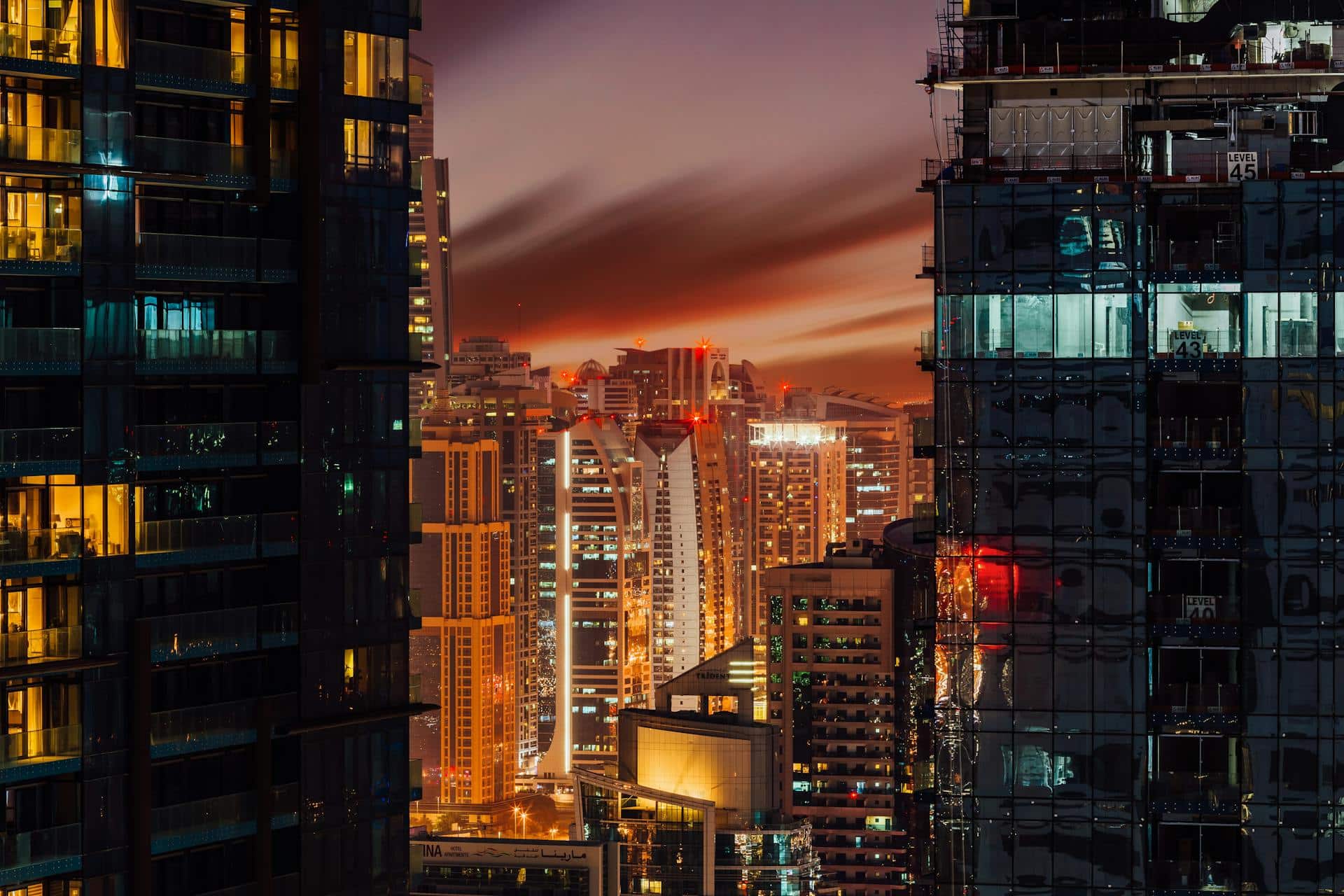
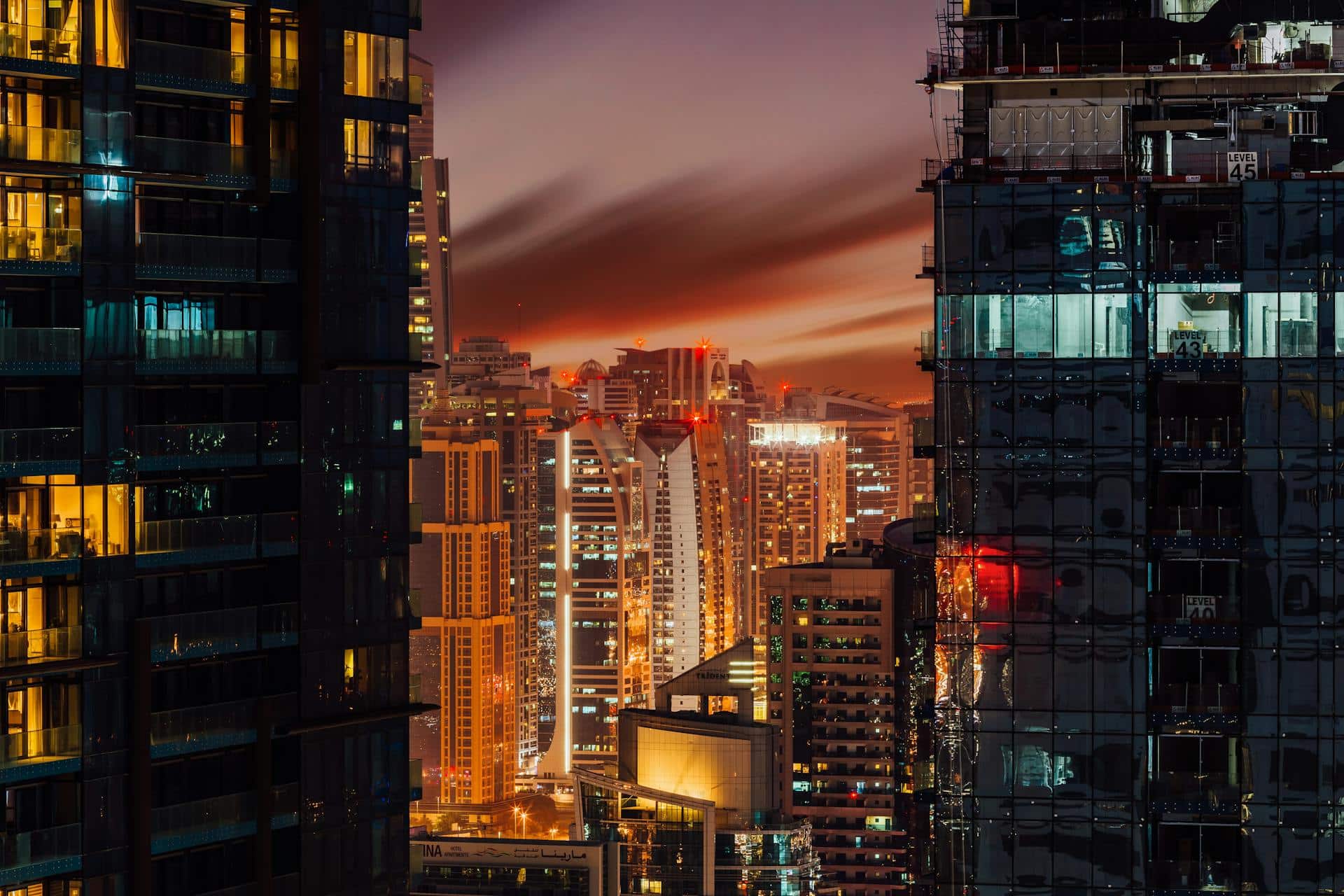
Dubai’s real estate market is one of the most dynamic and attractive in the world, especially for expatriates. With a long history of welcoming foreign buyers and a regulatory system designed to protect both investors and residents, Dubai offers expats a genuine opportunity to own property and build long-term security abroad.
For many expats, the journey to owning a property in Dubai begins with a clear understanding of what is possible. Since 2002, foreigners have been allowed to buy freehold property in designated areas, meaning you can fully own apartments, villas or even plots of land in certain communities — a significant advantage compared with many other global cities.
Interestingly, Dubai’s real estate momentum has not waned in recent years. Investors of all types continue to show strong interest, supported by rising population growth, expanding infrastructure and a regulatory environment that supports both rental income and capital growth. Analysts even note that the city’s property market remains strong relative to global competitors, with increased demand from international buyers and strategic urban development driving growth.
With that backdrop, here’s a practical, step-by-step look at how expats can buy real estate in Dubai safely and smartly.
Understand Your Rights and Eligibility as an Expat Buyer
The first step in any property purchase abroad is understanding whether you are legally eligible to buy and own property.
In Dubai, expats can buy freehold properties in designated areas approved by the Dubai Land Department (DLD). Freehold ownership gives you the right to own the property outright in your name, with the same rights as UAE nationals in those specified zones.
That means you can live in it, rent it out, sell it, or pass it on to heirs — subject to local inheritance laws and any mortgage terms you might take out.
It is crucial to confirm that the property you are interested in is in a designated freehold area. Several popular communities fall into this category, including Dubai Marina, Downtown Dubai, Jumeirah Village Circle (JVC) and Palm Jumeirah, each offering different lifestyle profiles and price points.
Set Up Your Budget and Financing Plan
Before you fall in love with a particular neighbourhood or unit, set a realistic budget. Buying property in Dubai involves more than the purchase price. You must factor in transaction fees such as:
• A 4 % DLD transfer fee on the property price.
• Agency commission, typically around 2 %.
• Developer or title registration costs (such as Oqood fees).
• Legal, inspection and insurance costs.
If you plan to use a mortgage, know that lenders in the UAE typically finance up to 80 % of the property value for residents and around 60–70 % for non-residents. Mortgage terms can vary significantly by bank, and your eligibility may depend on your income, credit profile and residency status. Consulting a mortgage advisor or bank specialist before beginning your search will provide clarity on what you can afford and the monthly payments involved.
Research the Market and Property Types
Dubai’s real estate market is diverse, but every area has its own character, price dynamics and future growth trajectory.
A key decision early on is whether you want a ready property or an off-plan development. Ready properties allow you to move in immediately or rent them out right away. Off-plan projects, still under construction, often come with staged payment plans and sometimes lower entry prices, but they require patience — and confidence in the developer’s track record.
Look at established online platforms and local listings to compare options. Tools like Bayut and Property Finder provide detailed insights into available properties, pricing trends, neighbourhood profiles and market demand, helping you make comparisons without endless back-and-forth with agents.
Work With Licensed Professionals
Even if you have bought property before in other countries, the local process and regulations in Dubai are specific and formalised.
A licensed real estate agent with registration through the Real Estate Regulatory Agency (RERA) will ensure you are working within legal frameworks and will help you navigate listings, negotiations and contractual terms. An experienced agent also often provides insights into rent return potential, community amenities and long-term value — information that might not be evident from online listings alone.
Engaging a local lawyer early in the process is also wise. They can review contracts, ensure compliance with UAE property law and protect your interests during negotiation and transfer.
Navigate the Legal and Documentation Process
Once you have found a property you like, the formal buying process begins. This typically involves:
- Signing a Memorandum of Understanding (MOU) with the seller and paying a deposit.
- Securing a No Objection Certificate (NOC) from the developer confirming there are no outstanding dues or legal encumbrances.
- Registering the sale with the Dubai Land Department, at which point the title deed is issued in your name.
The documentation at this stage must be complete and accurate. These legal steps protect both buyer and seller and form the basis of property rights in the UAE. Because the procedures are formal, minor errors can lead to delays, so professional support is invaluable.
Think About Long-Term Plans and Rental Strategy
Many expats buy property not only to live in but also to generate rental income.
Dubai’s rental market remains robust in many popular neighbourhoods, with high demand from both long-term residents and short-stay visitors. But a smart rental strategy requires research into expected yields, lease agreements and the competitive landscape.
Some areas offer stronger returns on investment than others, depending on tenant demographics and community amenities.
Even if rental income isn’t your primary objective, consider future resale value. Buying in emerging neighbourhoods or well-connected areas often enhances long-term capital appreciation.
Understand Visa and Residency Benefits (If Applicable)
Owning property above certain thresholds in Dubai may also provide residency advantages. For example, properties valued over specified minimums can qualify buyers for renewable residency visas. These regulations occasionally change, so check current policies before assuming visa benefits will automatically apply.
Final Words: Be Informed, Be Patient, Be Practical
Buying property abroad is both an emotional and financial decision. In Dubai, the process is transparent and well-regulated, but it requires patience, careful planning and a willingness to ask questions.
Expats who buy smartly do their homework, lean on experienced local professionals, and align their purchase with both their current lifestyle needs and their long-term plans. Whether you are looking for a family home, a lifestyle pied-à-terre, or an investment property, Dubai’s market offers options — but success starts with preparation and due diligence.
By following these practical steps, you can navigate one of the world’s most exciting real estate markets with confidence and clarity.
