

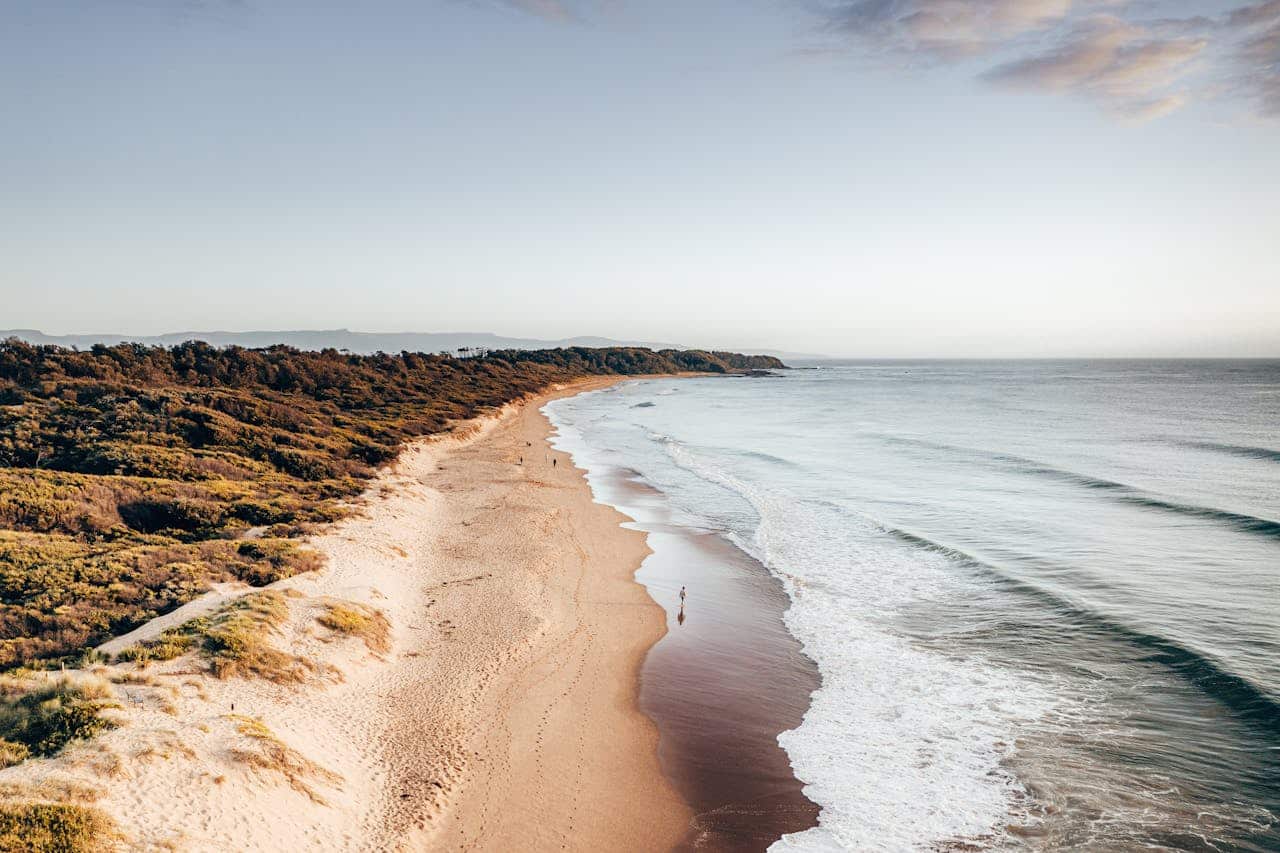
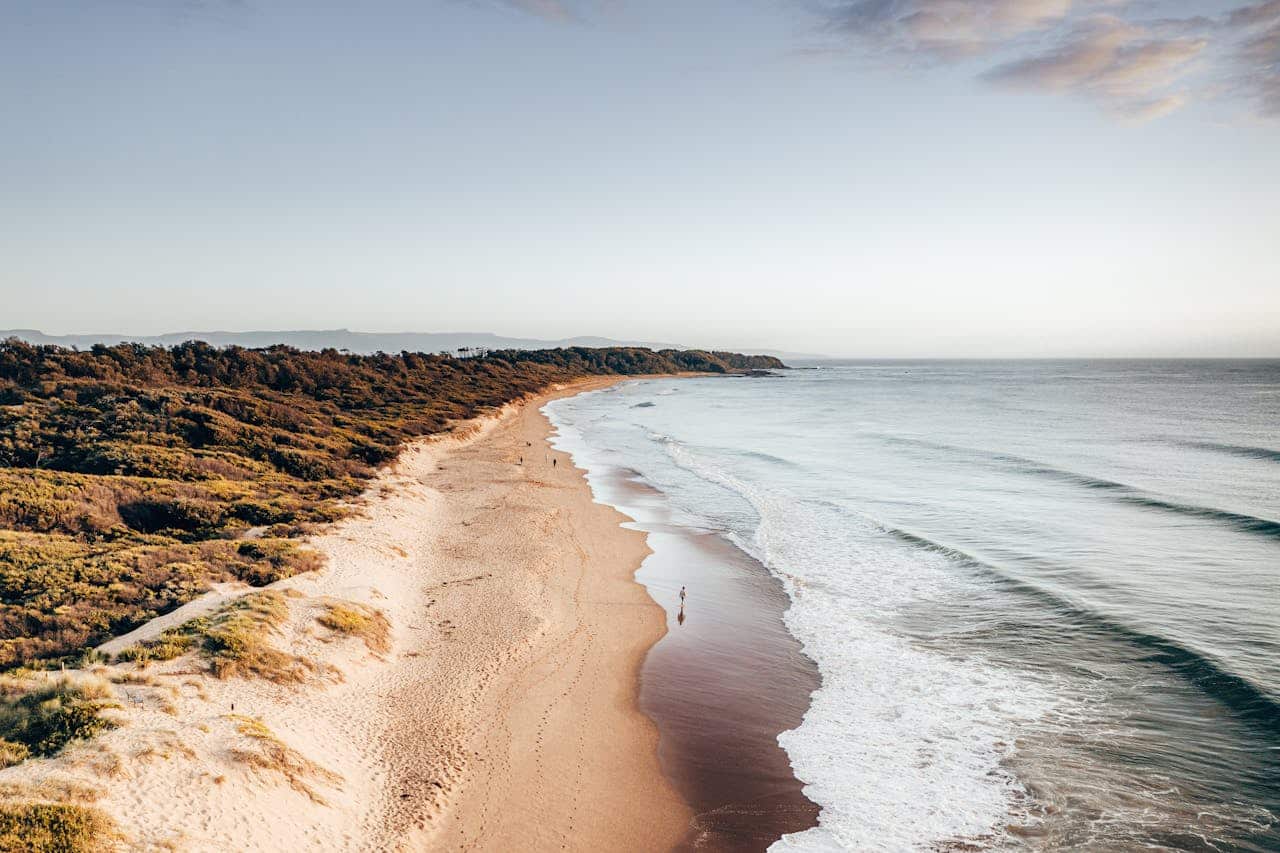
Moving your family to New South Wales (NSW) is an exciting chapter, full of opportunities for education, work and quality of life. But settling in smoothly means thinking beyond visas and flights. You need a day-to-day life where your children feel supported, your spouse finds community and routines become familiar.
NSW is Australia’s most populous state and home to diverse cities, regional towns and coastal communities. Sydney is its largest hub, but places like Newcastle, Wollongong and the Hunter Region also attract families with strong school systems, affordable housing and growing local economies. Understanding how to integrate your family into both social and practical aspects of life will help your transition feel more like home and less like adjustment.
Choosing a Family-Friendly Neighbourhood
One of the first decisions you will make is where to live. In NSW, location defines everything from commute times to school catchments, public transport access and weekend activities.
If you want easy access to jobs and cultural amenities, Sydney’s inner and middle ring suburbs are popular. Areas like Ryde, Parramatta and the North Shore combine quality rental housing with good schools and parks.
Families seeking more space and affordability often look to Greater Western Sydney or the Central Coast, where houses tend to be larger and communities more suburban. Regional centres like Newcastle, Wollongong or even Coffs Harbour attract expats for their strong local services and easy access to beaches.
Important considerations include school zones, transport links (such as train access for commuting), proximity to childcare and healthcare facilities, and local community centres. Spending time in each potential area before committing gives you insight into daily rhythms: where families walk dogs, where parents gather for coffee, and where children play after school.
Schools and Childcare: Setting Your Kids Up for Success
One of the central concerns for families relocating to NSW is education. Australia offers a mix of public, private, independent and specialist schools.
Public schools are generally zoned, meaning your address determines your child’s school catchment. Zones vary widely in reputation, resources and extracurricular offerings. Before choosing a rental location, research school performance, community feedback and curriculum strengths. Visit local school websites and ask questions about class sizes, support for newcomers and any language programs available.
Private and independent schools often have more flexible admissions but come with tuition fees. They can also offer structured pathways for newcomers with language or cultural support.
Childcare, especially for children under school age, can be competitive in NSW. Parents are advised to start waitlists early and prioritise options close to home or work. Early childhood education has an emphasis on developmental play, outdoor time and preparation for formal schooling.
Sports and Activities for Kids: Building Routine and Community
One of the best ways to help your children settle into life in New South Wales is through sports and activities that build confidence, friendship and healthy habits. Across the state — especially in regional hubs like Newcastle and the Hunter — there are a wide range of organised programs that cater to children of all ages and interests, blending fun with skill development.
Structured sport and club activities provide routine, social connection and developmental growth. Whether your child loves running, playing team sport, trying something new or pursuing performance-based classes, there’s a program for every interest and ability level.
Gymnastics and Movement Programs
Hunter Sports Centre and their gymnastics Newcastle program offers structured classes that enhance strength, coordination and confidence in children from beginner to competitive levels. These programs provide a supportive environment where kids can develop physical skills, make friends and participate in community events and competitions, helping them feel connected in their new home environment.
HSC’s gymnastics offerings are among the largest in New South Wales, with flexible class options and a commitment to fostering a lifelong love of movement.
Soccer and Team Sports
Soccer remains one of the most popular sports for children in the Newcastle and Hunter regions. Local programs such as Soccajoeys introduce preschoolers and young children to the game in a friendly, age-appropriate setting, while regional clubs and junior leagues offer pathways to competitive play as skills progress.
Track and Field
Little Athletics provides children aged 5–17 with the opportunity to explore track and field events in a fun, family-oriented atmosphere. These programs focus on participation, personal improvement and fitness through running, jumping and throwing events tailored to age and ability.
Multi-Sport Development
Local providers like Sporty Kids and similar organisations offer multi-sport programs designed to improve motor skills, teamwork and confidence. These classes mix basic sport skills with fun, non-competitive activities that keep young children engaged and physically active.
Aquatic and Holiday Programs
For swimming skill development and active holiday engagement, community programmes such as those offered by NUsport provide swim lessons, squad training and seasonal activity camps that keep kids fit, entertained and social during school breaks.
Alternative Options and Recreational Fun
In addition to traditional sports, there’s a growing emphasis on diverse physical and creative activities for kids. Sailing programmes introduce youth to nautical skills and teamwork, community clubs support rugby and touch football pathways, and facilities like ice skating arenas offer seasonal sport and recreational options.
Healthcare and Family Services
Australia’s healthcare system is a mix of public services and private options. As residents of NSW, families can register for Medicare, the national public health insurance system that covers hospital care and some medical services. Before your Medicare coverage begins, it’s wise to arrange temporary health insurance for any immediate needs.
Find local general practitioners (GPs), dentists and specialists early. Choosing a GP close to your home ensures you have a point person for annual check-ups, childhood immunisations and ongoing care.
NSW also offers family support services including parenting groups, maternal health centres and community wellbeing programs. These are particularly helpful for newly arrived families looking to connect with local networks.
Daily Life: From Parks to Playgroups
Life in NSW tends to balance outdoor activity with community involvement. Many families enjoy weekend outings to beaches, national parks, cycling paths and community events. Cities and towns across the state have well-maintained parks, playgrounds and sports fields that are free for families to use.
Social connections often start with interest-based groups, playdates and community centres. Local councils organise free or low-cost activities, from library story hours to seasonal festivals and family markets. Getting involved early helps children build friendships and gives parents a support network outside of work and school.
Community sports clubs — from soccer to swimming and gymnastics — are a backbone of family life in NSW. Many families participate together, attend weekend competitions and form long-term friendships with other parents.
Practical Tips for Settling In
Create routines early. Children settle best when predictable structures — like regular school pickup, weekend activities and bedtime schedules — are in place.
Engage with local neighbourhood groups online and in person. Parenting forums, community noticeboards and local Facebook groups often share housing tips, school recommendations and social events.
Budget for unexpected costs. Setting up a new home includes deposits for utilities, internet installation and insurances, in addition to rental deposits.
Know your transport options. NSW has an extensive train and bus network around Sydney, Newcastle and Wollongong. If you live outside major corridors, plan for driving distances, parking and fuel costs.
Don’t overlook safety planning for children — ensure your home has working smoke detectors, secure windows and safe outdoor spaces.
The New Normal: Balancing Work and Family in NSW
Settling into family life takes time. For many expat parents, the first months are about establishing the essentials: housing, schooling and healthcare. But the real transition happens when you and your children feel connected to routines, social circles and activities that bring joy.
Explore your local area with curiosity. Attend community markets. Visit sporting events. Encourage your children to try new things — whether it’s gymnastics, soccer, dance or the school choir.
Above all, give your family the space to adapt. Settling in NSW is not just about logistics; it’s about creating a life where your children flourish, friendships form and everyday moments feel like home.
