

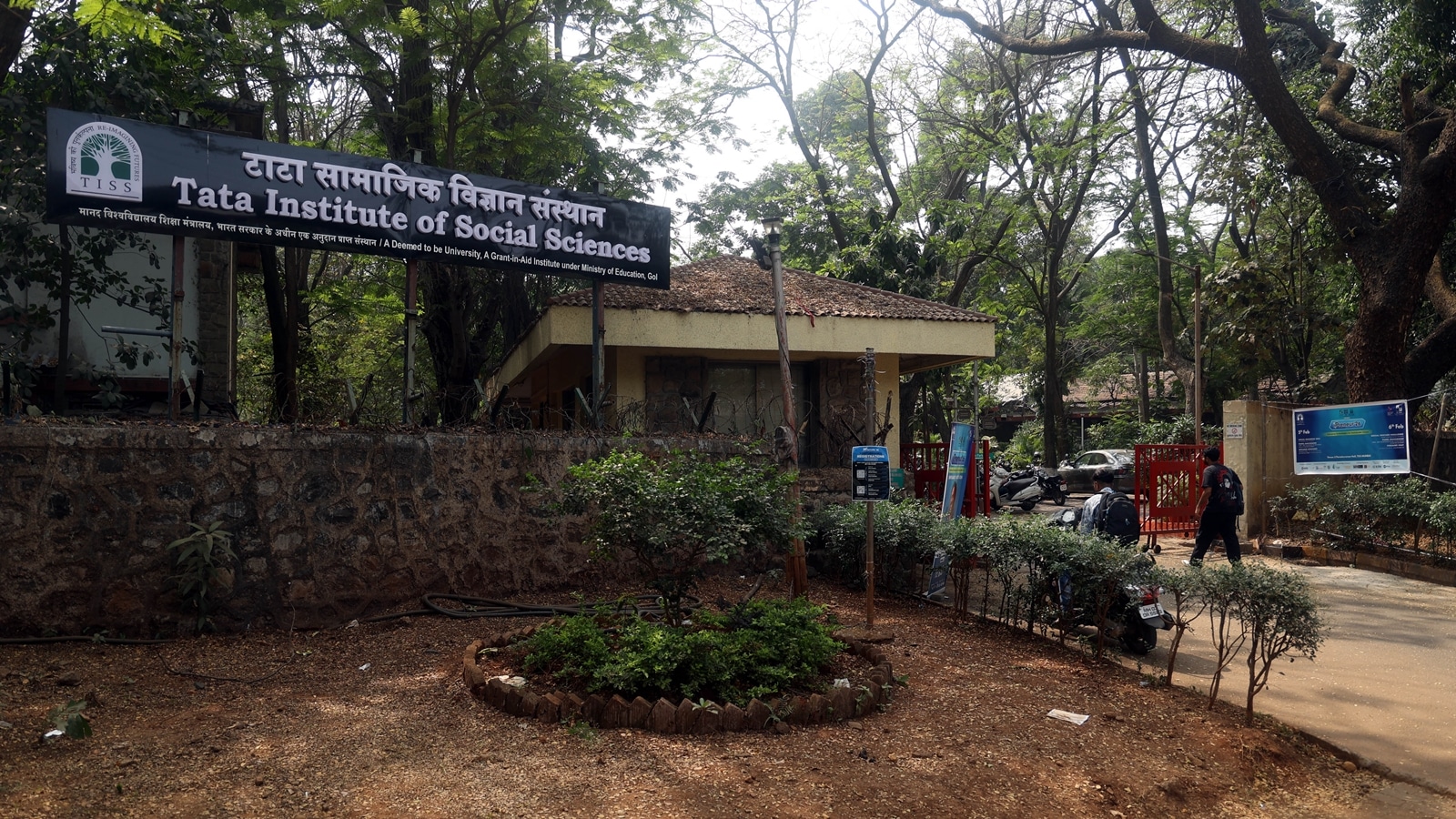
When the Tata Institute of Social Sciences (TISS) overhauled its student elections earlier this year, it was a significant moment. TISS was the only campus in Maharashtra still holding conventional student union elections and the new Student Council format, introduced in its place, fundamentally changed how student politics would work on campus.
Nearly two months after those elections, students are still trying to figure out what they voted for.
Confusion over the Council’s structure, its committees, and how concerns should be routed has prompted elected members to formally write to the Office of Student Affairs (OSA), seeking urgent clarity. The administration, meanwhile, insists the process is complete.
Under the old Students’ Union format, each school at TISS elected one representative regardless of how many programmes it ran. For instance, all undergraduate and postgraduate students of the School of Social Work together elected a single representative, while PhD students elected one of their own.
In a second phase, all students voted to elect a seven-member executive body — president, vice-president, general secretary, treasurer, and cultural, literary and sports secretaries. The president and general secretary represented students on key institutional bodies such as the Academic Council and the Disciplinary Committee.
The new Student Council format changed this significantly. Elections were held on February 6 in a decentralised format. Each class elected one representative, creating a council of around 80 members, which is a much larger, more granular body than before. These elected members, along with nominees from the PhD section, were to be grouped into committees — cultural, sports, finance, dining hall, hostel, among others. The OSA was to separately nominate student representatives on institutional bodies such as the Gender Cell, Equal Opportunity Cell, and Internal Complaints Committee.
 Under the old Students’ Union format, each school at TISS elected one representative regardless of how many programmes it ran. For instance, all undergraduate and postgraduate students of the School of Social Work together elected a single representative, while PhD students elected one of their own.
Together, the changes mark a shift in how student representation functions at TISS. While the new framework expands the number of elected representatives by moving to a class-level system, it also removes the elected executive body that earlier spoke for students on key decision-making forums.
Story continues below this ad
After elections on February 6, cultural and sports committees were constituted in time to organise Institute Day events scheduled shortly after the polls. But the broader structure of the council was never made clear.
“At present, the Student Council does not have a clearly defined structure, reporting mechanism, or formally constituted committees through which student concerns can be communicated to the administration. Establishing this framework at the earliest would enable more effective coordination between students and the administration and ensure that issues can be addressed through a structured process,” read the letter sent to the OSA on March 12, attached with a list of unresolved campus issues requiring urgent attention.
‘The system remains useless’
The OSA held an online meeting with the council this week, but students say it fell short. “It did not conclusively resolve all our concerns,” said one council member. Emails had been sent to members individually informing them of their committee roles, but with no information made available to the wider campus community, the structure remained effectively invisible.
“The administration said that individual students with any issue should approach their respective class representative (CR). But without a publicly available structure of various committees, even the CRs would not know where to direct the student,” said another council member.
Story continues below this ad
Students have also alleged that committee assignments were made arbitrarily, despite assurances that members would be placed according to their stated preferences.
The administration’s response
The institute denied these claims. Students unhappy with their assigned roles are free to request a change, an official said, and it is precisely this reshuffling, the administration argued, that has delayed the finalisation of the structure.
“Soon the list will be made public to all students,” the official said, adding that the OSA also plans to conduct a leadership and administrative skills training workshop for elected council members.
