

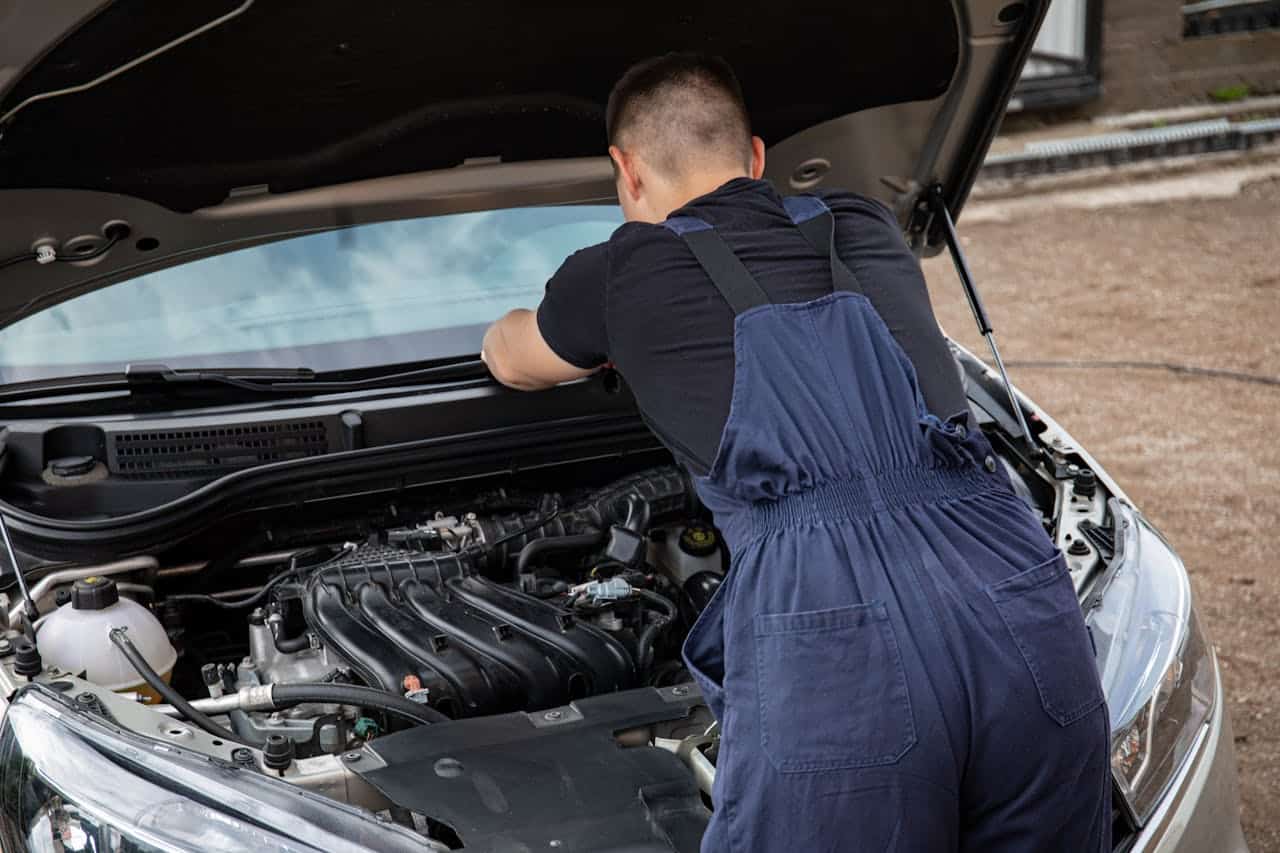
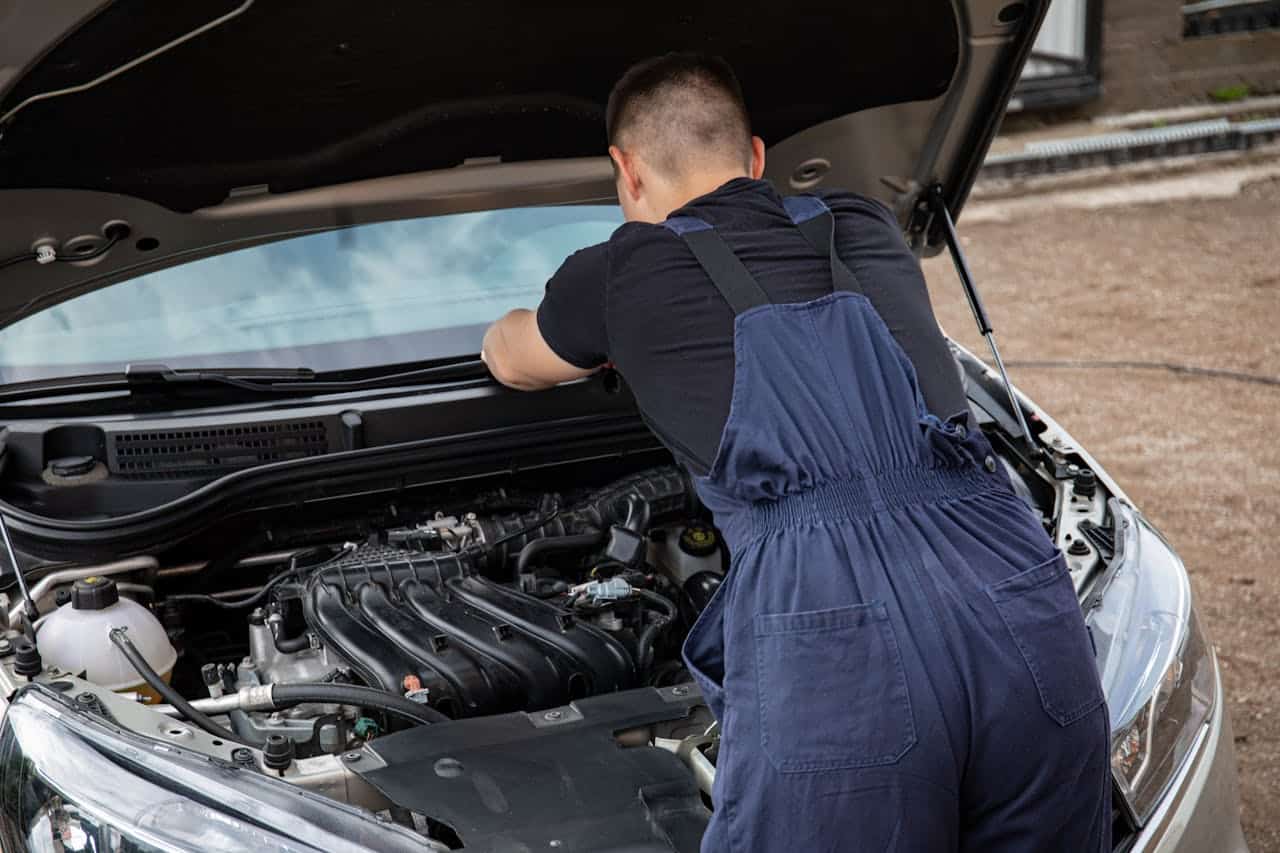
Cold mornings, blazing heatwaves, salty sea air, and endless rain all change what lands in an auto workshop each day. Automotive technician jobs are not the same everywhere, and climate plays a bigger role than many people realise. From frozen batteries in January to overheated engines in August, local weather shapes the tools, skills, and repairs that technicians handle.
Working in Cold Climates
In colder regions, winter transforms an auto workshop overnight. Plus, technicians sometimes work outdoors in all types of weather. For those in icy areas, that can mean diagnosing faults while temperatures sit well below freezing.
Cold weather reduces battery performance and thickens engine oil. So, non-start complaints tend to spike as soon as frost hits.
Many workshops see a surge in common winter auto repairs that every skilled auto technician must master, which is why many study at colleges that provide training in seasonal issues.
Typical cold-climate jobs include:
- Replacing weak batteries and checking charging systems
- Fitting winter tyres and correcting alignment after pothole damage
- Repairing heating, defrosting, and ABS systems
Slippery roads also increase collision damage, so bodywork and bumper replacements become part of daily life.
Students should be trained to specifically handle these seasonal pressures, so that they have real-world experience in high-demand winter repairs.
Working in Hot Climates
Heat brings a different kind of stress to vehicles and technicians alike. Research highlighted by Gen Re shows extreme heat increases the risk of work-related injuries. For technicians, long hours in hot workshops demand hydration, ventilation, and strict safety routines.
Vehicles suffer too. Cooling systems, air-conditioning units, and batteries are pushed to their limits during prolonged heatwaves.
In hot regions, technicians frequently:
- Repair radiators, water pumps, and cooling fans
- Service air-conditioning systems under heavy use
- Diagnose overheating caused by traffic and high ambient temperatures
Electronic components also dislike excessive heat. Modern cars rely heavily on sensors and control modules, so technicians must combine mechanical know-how with digital diagnostics to keep systems stable in extreme conditions.
Workingin Coastal Areas
Sea air looks harmless, but salt accelerates corrosion. Technicians in coastal areas spend far more time tackling rust-related damage than their inland counterparts.
Brake lines, exhaust systems, suspension components, and electrical connectors are all vulnerable. So, preventative maintenance becomes just as important as reactive repair, especially for fleets operating near the coast.
Industry reporting by Automotive Fleet notes that modern vehicles include increasingly complex driver-assistance systems. In coastal environments, protecting sensors and wiring from moisture intrusion adds another layer of responsibility.
Underbody inspections, anti-corrosion treatments, and sealing electrical connections become routine. Technicians in these regions develop a sharp eye for early rust signs, often saving drivers from costly structural repairs later on.
Working in Rainy Regions
Constant rain changes repair priorities. Water ingress issues, worn wiper systems, and lighting faults dominate booking sheets in damp climates.
Electrical diagnostics become especially important. Moisture can disrupt connectors, trigger warning lights, and affect advanced driver-assistance systems that rely on clean sensor input.
Electronics now account for a significant share of a vehicle’s total cost. For drivers, that means even minor water damage can lead to expensive repairs. For technicians, it means strong diagnostic skills are essential when rain never seems to stop.
Tyre condition and braking systems also demand closer inspection, as wet roads increase stopping distances. Workshops in rainy areas often build a reputation around thorough safety checks and preventative servicing.
Preparing for Climate-Driven Automotive Technician Jobs
Climate shapes skill sets, daily tasks, and even earning potential. Some areas experience seasonal spikes, while others deal with year-round environmental stress on vehicles.
Understanding how technician jobs differ in various climates helps aspiring technicians prepare for the realities of the trade. Training that covers winter-specific faults, heat-related breakdowns, corrosion control, and electronic diagnostics builds resilience in any region.
If you are considering a career in the industry or want to expand your practical skills, explore specialised training and speak with experienced tutors. And if this article has been useful, be sure to take a look at our other relevant posts.
