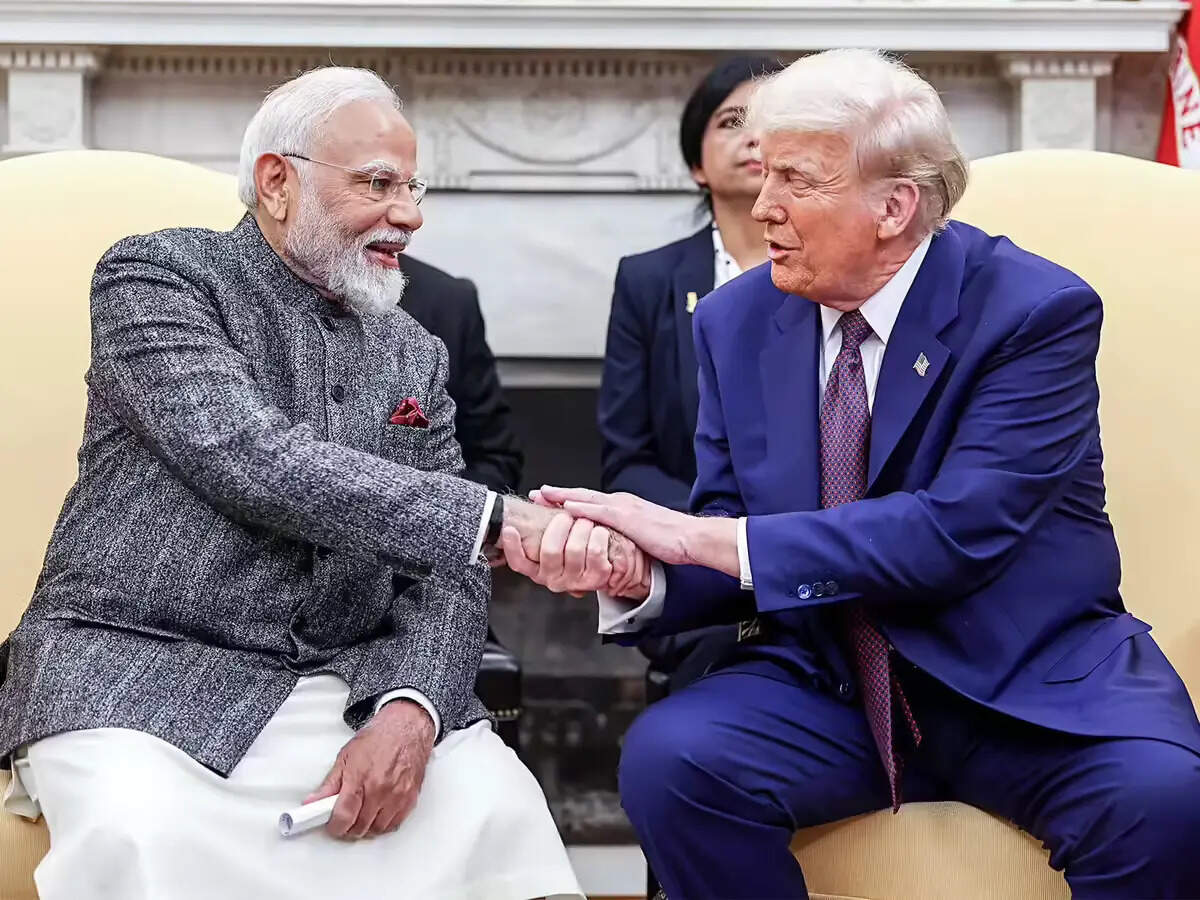
As a team of American trade negotiators visits India from June 1–4, 2026, for discussions on an interim trade arrangement and the proposed India–US Bilateral Trade Agreement (BTA), optimism continues to be tempered by uncertainty.
Recent statements from senior American officials have projected confidence about an imminent breakthrough. On May 29, US Ambassador Sergio Gore stated that the agreement was “99 percent complete” and could be signed within weeks. Earlier, US Secretary of State Marco Rubio, who visited India from May 23–26 for the Quad Foreign Ministers’ Meeting, also expressed optimism about concluding the trade pact in the near future.
Despite these assurances, several unresolved issues continue to cast doubt over the prospects of an early agreement.
A Relationship Tested by Recent Tensions
India–US economic relations have faced significant turbulence over the past year. The imposition of reciprocal tariffs by the United States, followed by additional measures linked to India’s purchases of Russian oil, introduced new strains into the bilateral relationship. At the same time, public statements from senior American leaders on sensitive trade and geopolitical issues generated unease in New Delhi.
India is not alone in negotiating trade arrangements with Washington. Several countries have sought bilateral agreements with the United States in response to the Trump administration’s tariff policies. India eventually reached what both sides described as a framework for a future agreement. However, differing interpretations of that framework have subsequently generated fresh uncertainties.
Questions have emerged over whether India agreed to specific agricultural imports, whether there was any commitment to purchase US$500 billion worth of American goods over five years, and whether discussions included limitations on India’s energy imports from the Russian Federation. These issues have become points of contention in public discourse, even though many details remain unclear.
Why the Agreement Matters
The United States remains India’s most important trading partner and one of its largest export destinations. Indian exports to the US include a wide range of labour-intensive products, pharmaceuticals, engineering goods, textiles, and information technology services.
At the same time, India imports substantial quantities of American products, including crude oil, liquefied natural gas, defence equipment, aircraft, advanced technologies, and industrial machinery. Beyond economics, the strategic dimension of the relationship has become increasingly important. The rise of China as a major geopolitical competitor has strengthened the convergence of interests between New Delhi and Washington across the Indo-Pacific region.
Given these realities, both countries have strong incentives to pursue a trade agreement. Yet several obstacles continue to impede progress.
The Tariff Question Has Changed
One of the principal drivers behind India’s willingness to accelerate negotiations was the prospect of avoiding punitive tariffs imposed by the United States. Those tariffs posed a direct challenge to Indian exporters, particularly in sectors dependent on the American market.
However, the situation changed after the US Supreme Court struck down significant portions of the tariff regime introduced by the Trump administration. As a result, one of the key motivations that originally encouraged India to move quickly towards a trade agreement has weakened considerably.
This development may prompt Indian negotiators to revisit some of the assumptions underlying the earlier framework and seek adjustments that better reflect the changed circumstances.
Agriculture Remains a Major Hurdle
Agriculture has long been one of the most sensitive aspects of India–US trade negotiations.
The United States has consistently sought greater access for its agricultural exports, including products derived from genetically modified (GM) crops. India, however, maintains a cautious approach towards GM food products and has regulatory restrictions governing their cultivation and import.
While discussions have reportedly explored the possibility of permitting certain processed GM products such as Distillers Dried Grains with Solubles (DDGS) and soybean oil, broader market access remains politically and economically sensitive.
The issue is particularly important because of the large number of Indian farmers whose livelihoods could be affected by increased agricultural imports.
Dairy Access and Cultural Sensitivities
Dairy products represent another contentious area. India’s dairy sector supports millions of small farmers and remains one of the country’s most politically influential agricultural industries. American dairy products face challenges in the Indian market because of differences in animal feeding practices.
Indian regulations require imported dairy products to meet specific certification standards regarding animal feed. Since some dairy production systems in the United States permit feed containing animal-derived ingredients, this issue has become a recurring obstacle in trade negotiations.
For India, the matter extends beyond commerce and touches upon cultural and religious sensitivities, making compromise difficult.
The Russia Oil Factor
Another source of friction stems from differing interpretations regarding India’s energy relationship with Russia. American officials have periodically suggested that India may eventually reduce or phase out purchases of Russian oil. However, Indian officials have consistently maintained that energy procurement decisions are guided by national interest and market considerations.
Importantly, there has been no public indication that India formally committed to ending purchases of Russian crude as part of trade negotiations. Given India’s growing energy requirements and Prime Minister Narendra Modi’s repeated emphasis on energy security, any attempt to link the trade agreement with restrictions on Russian oil imports is likely to encounter resistance.
The Debate Over the US$500 Billion Figure
Perhaps the most debated aspect of recent discussions has been the frequently cited figure of US$500 billion in purchases of American goods over five years.
According to various reports, the original framework referred to India’s intention to expand imports of energy products, aircraft, defence equipment, technology goods, and other products from the United States. However, American officials have often presented the figure as a firm commitment rather than an aspirational target.
The distinction is significant.
Given India’s economic growth trajectory and rising demand for energy, aviation equipment, and advanced technology, imports from the United States could naturally increase substantially over the coming years. Nevertheless, formalising a fixed purchase commitment could be viewed as inconsistent with market-based trade principles.
This issue has attracted international attention. In a recent commentary, Alan Beattie, World Trade Editor of the Financial Times, questioned why India would continue discussing a US$500 billion purchase target when the economic and political circumstances that existed during the initial framework negotiations have since evolved.
Outlook: Progress Possible, But Challenges Persist
Despite the positive rhetoric from both governments, significant differences remain on agriculture, dairy access, energy security, tariff policy, and the interpretation of earlier understandings.
Neither India nor the United States appears willing to abandon negotiations. The strategic importance of the bilateral relationship and the scale of economic opportunities continue to provide a strong incentive for both sides to seek common ground.
However, the path towards a comprehensive Bilateral Trade Agreement is unlikely to be straightforward. While an interim arrangement may still be achievable, a full-fledged trade pact will require compromises on some of the most politically sensitive issues confronting both governments.
For now, the agreement remains a work in progress rather than a foregone conclusion.
(Dr. Ashwani Mahajan is National Co-convener, Swadeshi Jagran Manch and Former Professor, PGDAV College, University of Delhi; Views expressed are personal)