Prime Minister Narendra Modi’s upcoming visit to Europe is expected to reinforce India’s expanding strategic engagement with the continent at a time of significant geopolitical and economic change.
The visit will include participation in the G7 Summit in Canada, engagements in France, and a historic stop in Slovakia—the first-ever visit by an Indian Prime Minister to the Central European nation since the establishment of diplomatic relations between the two countries.
The Slovakia leg of the tour is being closely watched by policymakers and businesses alike. It follows a series of high-level exchanges that have elevated bilateral ties, including the visit of President Droupadi Murmu to Slovakia in 2025 and the visit of Slovak President Peter Pellegrini to India earlier this year. As India seeks to diversify its partnerships across Europe in areas ranging from advanced manufacturing and automotive production to innovation, education, and emerging technologies, Slovakia is positioning itself as an increasingly important partner in Central Europe.
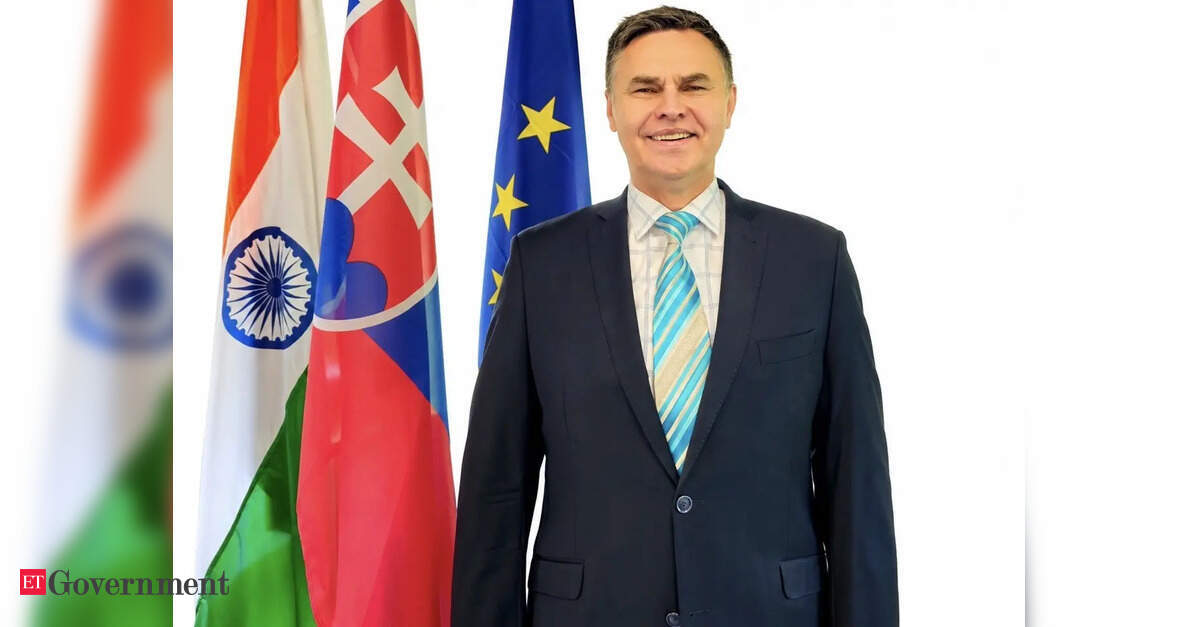
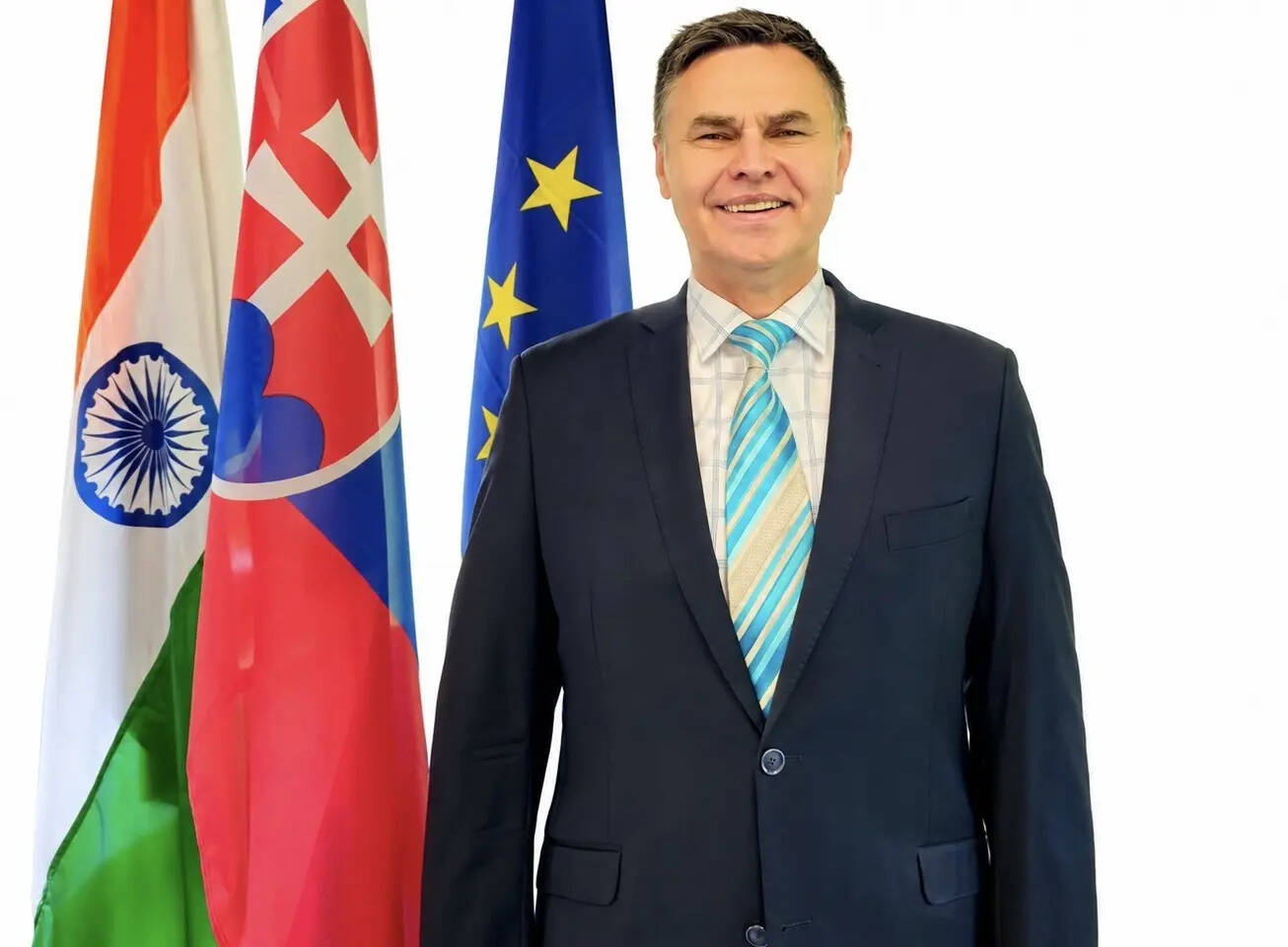
Robert Maxian, Ambassador of the Slovak Republic to India, in conversation with Anoop Verma, discusses the significance of Prime Minister Modi’s forthcoming visit, the growing economic partnership between the two countries, opportunities in the automotive and investment sectors, and the transformative potential of the proposed India-European Union Free Trade Agreement. The Ambassador also outlines Slovakia’s vision for deeper cooperation with India in business, education, culture, and people-to-people exchanges.
Edited excerpts:
Prime Minister Narendra Modi’s upcoming visit to Slovakia is being described as a landmark moment in bilateral relations. What does this visit mean for Slovakia, and what outcomes are you hoping to achieve?
This is indeed a landmark visit. The Prime Ministers of Slovakia and India have never met before, which makes this a historic occasion in our bilateral relationship.
The visit is the culmination of a sustained high-level political dialogue that began in 2022 when India’s External Affairs Minister, Dr. S. Jaishankar, visited Slovakia. Since then, ministers from both countries have met regularly, not only to exchange views but also to address issues of mutual interest and deepen cooperation.
A significant boost to our relationship came from the visit of President Droupadi Murmu to Slovakia last year, followed by the visit of Slovak President Peter Pellegrini to India in February this year for the AI Action Summit. During that visit, President Pellegrini held extensive discussions with Prime Minister Narendra Modi, President Droupadi Murmu, and other senior leaders.
These engagements have helped create a strong political framework for bilateral cooperation. Naturally, we have high expectations from Prime Minister Modi’s visit. Discussions will cover a broad spectrum of areas, including trade, investment, student mobility, academic exchanges, workforce mobility, migration issues, and people-to-people cooperation. In short, the entire scope of our bilateral relationship will be on the agenda.
The automotive sector has emerged as a key area of economic engagement between India and Slovakia. Do you see opportunities for new collaborations or initiatives in this sector during the visit?
The automotive sector is already one of the strongest pillars of India-Slovakia economic cooperation.
Slovakia supplies a significant number of luxury vehicles to India. If you see a Porsche Cayenne on Indian roads, there is a high probability that it was manufactured in Slovakia. At the same time, Slovakia imports a large volume of automotive components and spare parts from India for its manufacturing industry. Trade in the automotive sector alone amounts to approximately €300 million annually. This is a highly promising area with considerable growth potential.
We are also seeing strong investment linkages. Jaguar Land Rover, a Tata Group company, has invested around €1.4 billion in Slovakia. Amara Raja has entered the electric vehicle battery sector, and more recently, Tata AutoComp acquired a manufacturing facility in Lozorno, Slovakia. This investment, valued at approximately €300 million, is producing components for various categories of vehicles.
These developments demonstrate that the automotive sector is a natural area for deeper collaboration and continued expansion.
This will be the first visit by an Indian Prime Minister to Slovakia. Looking beyond the visit itself, how do you see it shaping the future trajectory of bilateral relations?
This landmark visit is the result of years of high-level political engagement. The political framework for deeper cooperation has now been established. The next step is for businesses, universities, cultural institutions, and other organisations to make full use of the opportunities that this framework creates.
We would like to see more Slovak companies and investors entering the Indian market. At the same time, we are actively encouraging Indian companies to invest in Slovakia, particularly in high-value-added sectors.
Beyond business, we would also like to see stronger cultural cooperation. Slovakia offers excellent opportunities as a film destination, and we would welcome more Indian film producers—not only from Bollywood but from across India’s film industry—to explore the country. We also hope to expand student exchanges, academic partnerships, and cultural interactions.
This is truly a win-win relationship. The message from both governments is clear: Slovakia and India are friendly countries that want to deepen cooperation across all sectors. The political leadership has created the framework; now it is up to businesses, universities, organisations, and citizens to seize the opportunities. We stand ready to assist them in doing so.
India and the European Union are moving closer to concluding a Free Trade Agreement. How important is the India-EU FTA from Slovakia’s perspective?
The India-EU Free Trade Agreement is, in many ways, the “mother of all deals.” It has the potential to connect nearly two billion people through a comprehensive economic framework.
The agreement is currently undergoing legal scrutiny, and we are eagerly awaiting its completion. Once finalised, it will provide a major boost to trade, investment, and people-to-people contacts between India and the European Union. There was strong political commitment from both sides to advance the negotiations. Prime Minister Narendra Modi and European Commission President Ursula von der Leyen demonstrated a clear willingness to move the process forward rapidly.
Even before the agreement has been concluded, bilateral trade between India and Slovakia has doubled over the past three years—from approximately €800 million to €1.6 billion. That is already a significant achievement. An FTA would further simplify trade procedures, reduce barriers, and encourage greater business engagement. We would like to see bilateral trade double again over the coming years.
It is also important to remember that the FTA is part of a broader package that includes an investment agreement and an agreement on geographical indications. These three agreements together will create a comprehensive framework for economic cooperation.
The investment agreement, in particular, will be very important because it will provide greater confidence and predictability for investors. Taken together, these agreements have the potential to transform India-EU—and consequently India-Slovakia—economic relations in the years ahead.