

Relocating to another country is one of the biggest moves a person can make. Most of the planning, understandably, goes into the international leg: the shipping, the visas, the goodbyes. Yet the journey rarely ends the moment your boxes clear customs. For many expats, a second move waits on the other side.
That is especially true in a country as large as the United States. Once your belongings land, getting them across states to your final city often needs a domestic specialist like Coastal Moving Services. This guide covers choosing an international mover, handling the paperwork, and managing that final leg.
Why Is an International Move Only Half the Journey?
Because arrival is not the destination. Two legs, not one.
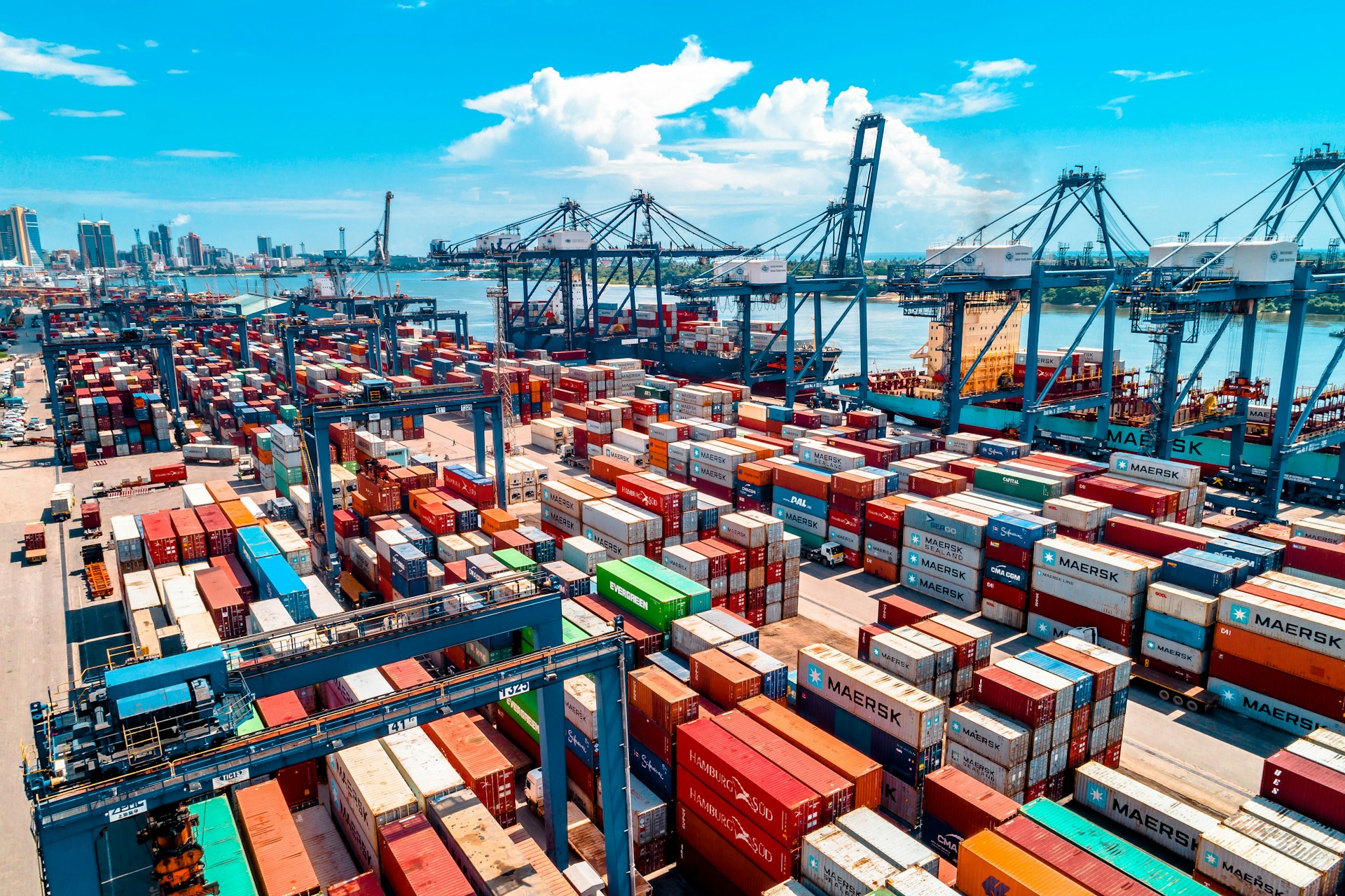
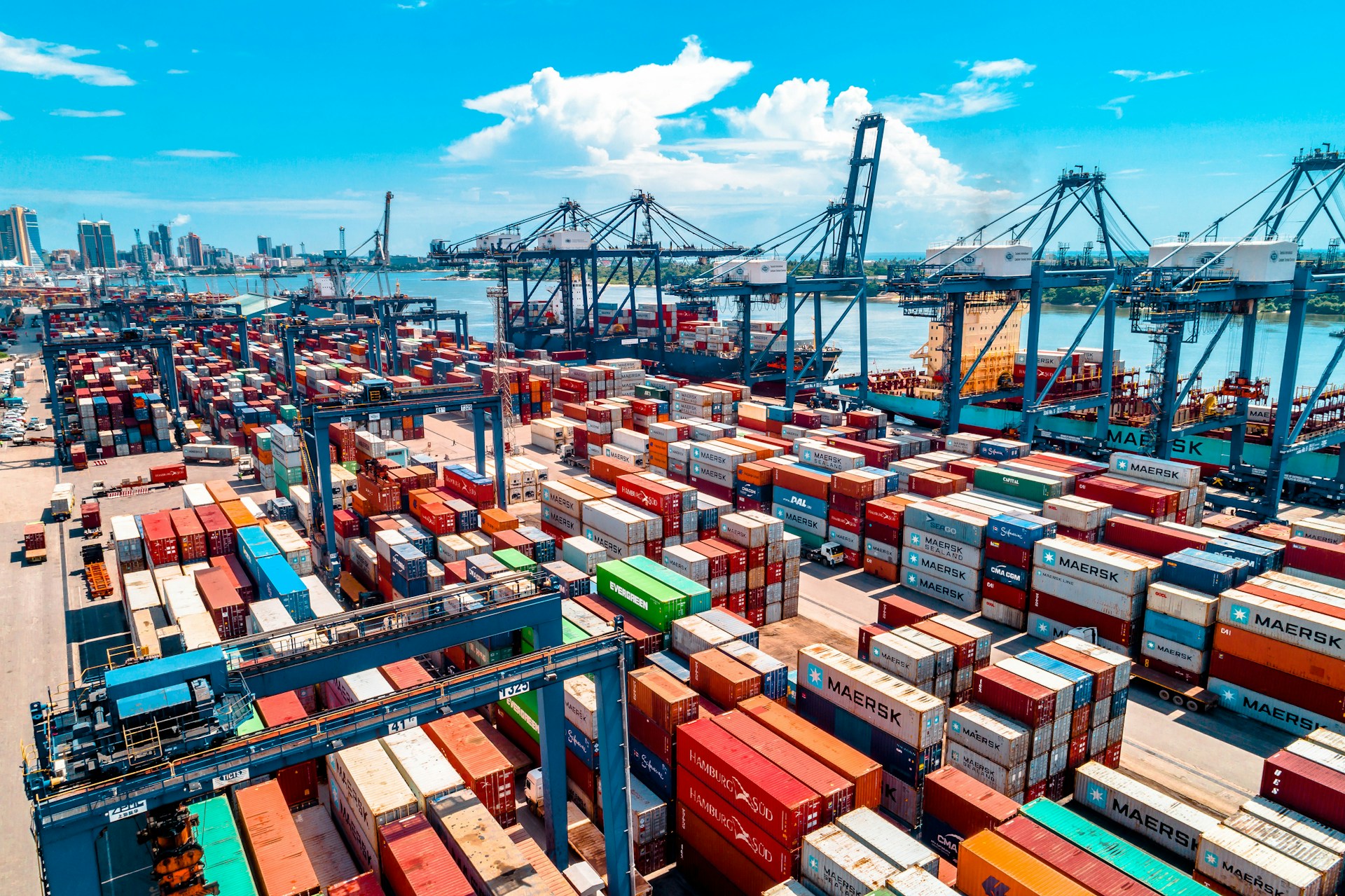
Your goods may land at a coastal port hundreds of miles from where you will actually live. Clearing customs is a milestone, not the finish line. Storage fees can also mount quickly if the onward leg is not arranged in advance. Planning both the overseas shipment and the onward domestic move prevents a stressful gap at the end.
The point is completeness. Plan the whole route from door to door, not just half of it.
How Do You Choose an International Mover?
With real scrutiny. Not all firms are equal.
Look for experience, transparent pricing, and proper accreditation before you book. Choosing an experienced international removal company is the single biggest factor in a smooth relocation. Ask exactly how they handle customs, insurance, and delays. A firm that dodges straight questions about paperwork is usually one to avoid.
The rule is diligence. Vet the mover before you trust them.
What Does Accreditation Tell You?
A great deal, actually. Standards protect you.

Membership in a recognised body signals a mover meets real industry standards. The FIDI network of accredited international movers is a useful benchmark when comparing firms. Accreditation is not a guarantee, but it filters out the worst operators.
The rule is proof. Credentials narrow the field fast.
How Do You Prepare to Move Abroad?
Start early and declutter hard. Less is cheaper.
International shipping is priced by volume, so every item you cut saves money. Solid advice on how to pack up and move abroad can trim both cost and stress. Photograph valuables and keep an inventory for both insurance and customs. Begin sorting 3 to 6 months ahead, not in the final week.
The rule is lead time. Early prep lowers the bill.
What Paperwork Comes First?
Visas and admin. Bureaucracy waits for no one.
Beyond the move, there are visas, taxes, and residency steps to manage. Official guidance on moving abroad is worth reading early, since it flags essentials many people overlook. Starting the paperwork ahead of time avoids delays that can strand your belongings.
How Do You Settle Into a New Country?
One step at a time. Patience helps enormously.
The steps that ease an international relocation are these 5:
- Plan both legs. International and domestic together.
- Vet your movers. Check accreditation and reviews.
- Declutter early. Ship less to spend less.
- Sort paperwork. Visas and taxes come first.
- Line up local help. A domestic mover for the final leg.
Each step closes a common gap. Together they carry you all the way home.
Key Points to Keep In Mind
- An international move is a two-stage journey, not one.
- Belongings may land far from your final city.
- Choose an accredited, experienced international mover.
- Declutter early, since shipping is priced by volume.
- Handle visas and paperwork well in advance.
- Line up a domestic mover for the onward leg.
Arriving All the Way Home
The dream of living abroad is worth every bit of the effort, but the effort does not end at the port. Treat your relocation as the two-part journey it really is, from the overseas shipment to the final drive across your new country. Choose accredited movers, start the paperwork and packing early, and arrange the domestic leg before you land. Give yourself enough time, and the move becomes an adventure to enjoy rather than an ordeal to survive. Do that, and you arrive not just in a new country, but all the way home.
Frequently Asked Questions
How Do I Choose a Good International Moving Company?
Prioritise experience, transparent pricing, and recognised accreditation. Ask how the company handles customs clearance, insurance, and potential delays, and request references or read recent reviews. Membership in an industry body like FIDI is a useful sign of quality. Get several detailed quotes and compare exactly what each includes, since the cheapest option often omits services you will end up needing.
How Far Ahead Should I Plan an International Move?
Start at least 3 to 6 months out, and earlier if visas are involved. International moves have long lead times for shipping, customs, and paperwork, so early planning is essential. It also gives you time to declutter, which meaningfully lowers shipping costs. Rushing an overseas relocation almost always means higher prices, more stress, and a greater chance of something important being overlooked.
Do I Need a Second Mover Once I Arrive?
Often, yes, especially in a large country. Your shipment may arrive at a port far from your final destination, so a domestic mover handles the onward leg across states or regions. Arranging this before you land prevents your belongings from sitting in storage while you scramble. Coordinating the international and domestic moves together makes the whole journey far smoother.
How Can I Reduce International Moving Costs?
The biggest lever is volume, since overseas shipping is priced by space and weight. Declutter aggressively and sell or donate what you will not need abroad. Get multiple quotes, and be flexible on timing where possible. Also weigh what is cheaper to rebuy at your destination versus ship. A lighter, well-planned move costs less and clears customs more easily.
