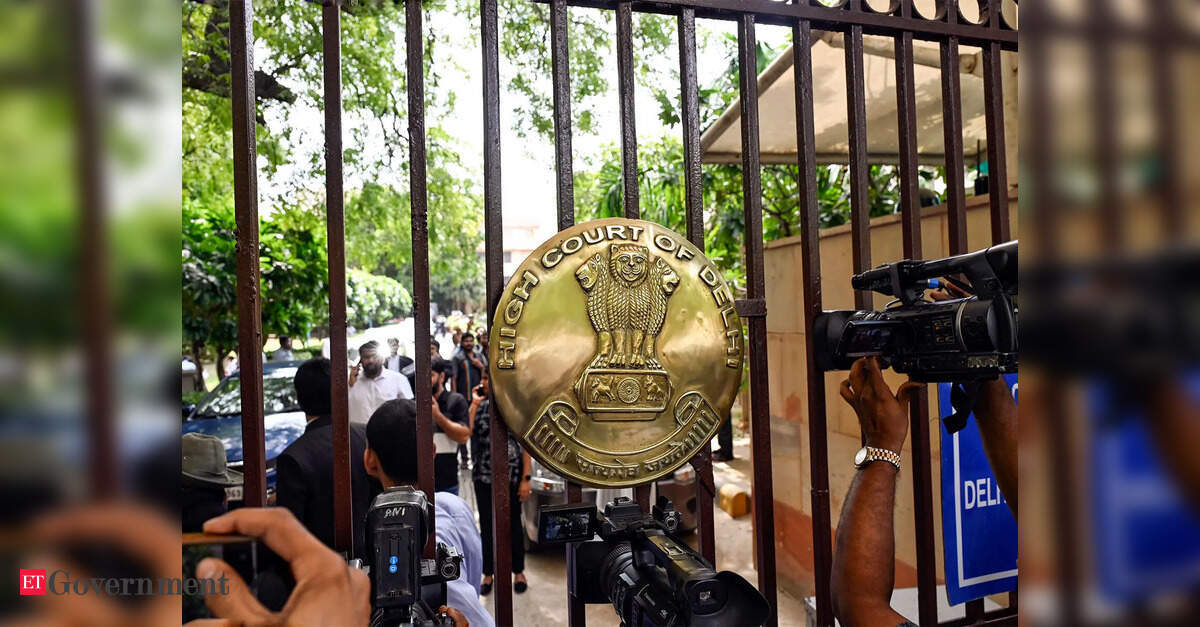
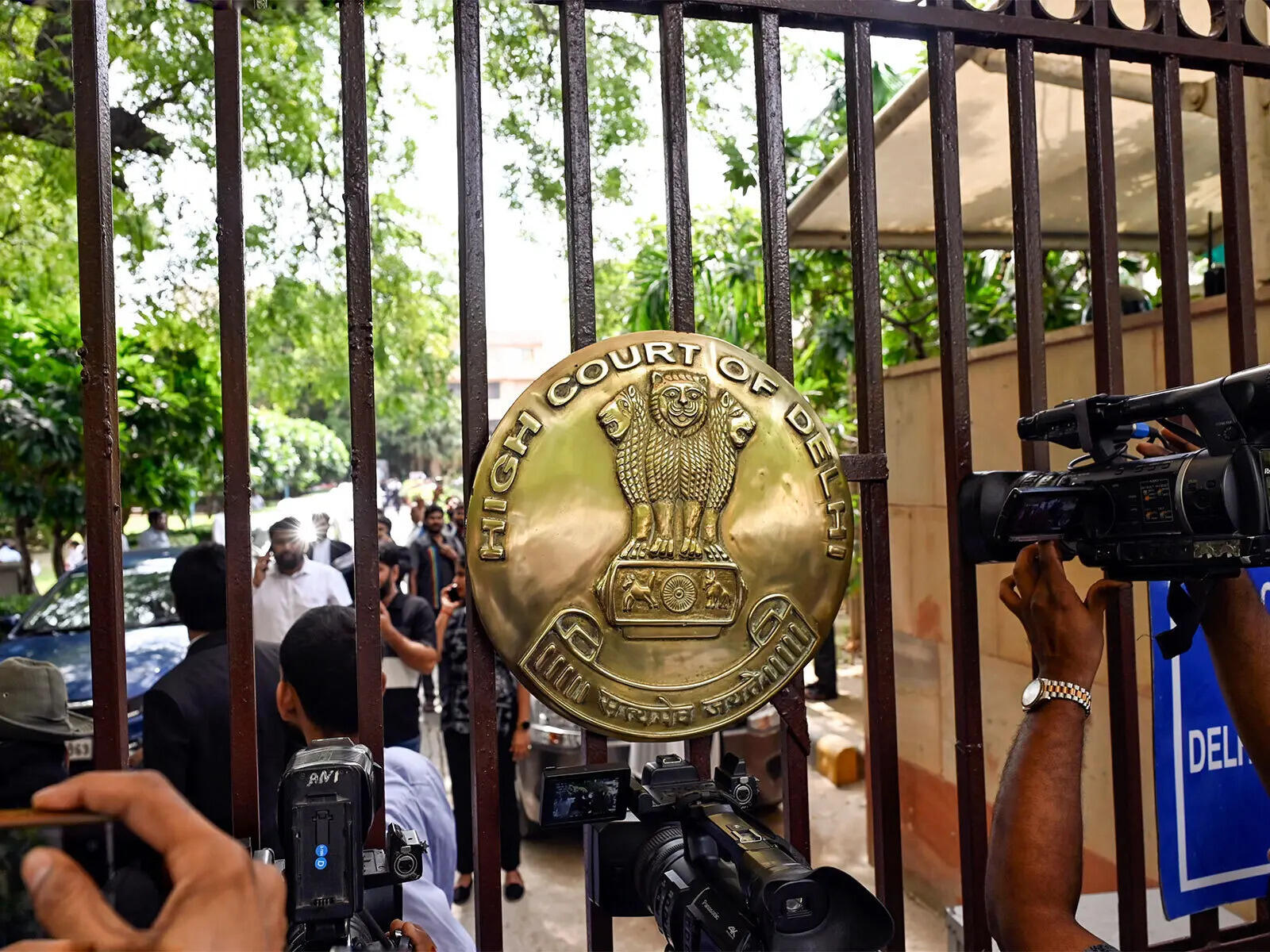
The Delhi High Court’s recent judgment upholding the Centre’s temporary blocking of Telegram is likely to become a defining precedent in India’s evolving jurisprudence on internet governance. Although the immediate dispute arose from the circulation of fake question papers and misinformation ahead of the NEET-UG 2026 re-examination, the judgment extends well beyond a single messaging platform.
It clarifies the scope of the government’s powers under Section 69A of the Information Technology Act, endorses the application of the constitutional doctrine of proportionality to internet restrictions, and lays down important principles that will influence future disputes involving digital intermediaries.
The verdict also reflects the increasingly complex challenge confronting governments worldwide. Encrypted messaging platforms have become indispensable tools for communication, commerce and education, but they have also emerged as channels for cybercrime, misinformation, organised cheating, financial fraud and other unlawful activities.
The central question before the Court, therefore, was not simply whether Telegram could be blocked, but whether the government had exercised its statutory powers in a manner consistent with constitutional safeguards.
The Background
The case arose after the Ministry of Electronics and Information Technology (MeitY), acting under Section 69A of the Information Technology Act, temporarily blocked access to Telegram between June 16 and June 22, 2026, ahead of the NEET-UG re-examination conducted on June 21.
The blocking order followed requests from the National Testing Agency (NTA) and inputs from the Indian Cyber Crime Coordination Centre (I4C), which warned that Telegram had become the principal medium for circulating fake question papers, fabricated claims of paper leaks and misleading messages capable of undermining the integrity of one of India’s largest entrance examinations.
According to the government, repeated efforts to remove individual channels and groups had proved ineffective because new channels and bots appeared almost immediately after the earlier ones were disabled. It therefore concluded that temporary blocking of the platform was necessary to prevent further dissemination of unlawful material during the critical examination period.
Telegram challenged the government’s action before the Delhi High Court. The company argued that the order disproportionately affected millions of legitimate users and that Section 69A authorises blocking of specific information rather than an entire platform. It maintained that less restrictive alternatives—such as disabling individual channels or removing offending content—were available and should have been adopted instead.
What the Court Held
Justice Tejas Karia dismissed Telegram’s petition and upheld the government’s action. The Court held that the statutory procedure prescribed under Section 69A and the Information Technology (Procedure and Safeguards for Blocking for Access of Information by Public) Rules, 2009 had been duly followed. It also found that the emergency blocking order had subsequently undergone review by the statutory Review Committee, thereby satisfying procedural requirements.
One of the most significant aspects of the judgment is its interpretation of Section 69A itself. The Court rejected Telegram’s argument that the provision permits blocking only of individual pieces of content.
Instead, it held that the term “information” under the Information Technology Act is broad enough to encompass an entire application or platform when circumstances justify such action. Since an application constitutes a “computer resource” through which information is created, stored and transmitted, the Court concluded that the statute authorises the government to block access to the platform itself where necessary.
This interpretation considerably expands the practical scope of Section 69A and is likely to have implications for future cases involving social media platforms, messaging services and other digital intermediaries.
The Central Role of Proportionality
The judgment is equally important for its application of the constitutional doctrine of proportionality. Rather than treating platform-wide blocking as either automatically permissible or inherently unconstitutional, the Court evaluated the government’s decision through the four-part proportionality test developed in constitutional jurisprudence.
The Court accepted that preserving the integrity of a national examination involving millions of students constituted a legitimate state objective. It further concluded that temporarily blocking Telegram had a rational connection with that objective because the platform had become the principal vehicle for disseminating fake examination material.
On the question of whether less restrictive alternatives existed, the Court accepted the government’s submission that repeated takedowns of individual channels had failed, as new channels and bots continued to emerge almost immediately. In these circumstances, it held that temporary blocking represented the least restrictive effective measure available.
The Court also noted that the restriction was temporary rather than permanent and was confined to the period during which the threat existed. This limited duration became an important factor in its conclusion that the government’s action satisfied the constitutional requirement of proportionality.
The Government’s Position
The judgment substantially endorses the government’s broader approach to digital regulation. The Centre argued that encrypted messaging platforms increasingly create significant enforcement challenges because unlawful content can spread rapidly across large networks before authorities are able to intervene.
According to the government, examination fraud presents a particularly serious challenge because leaked or fabricated question papers can reach thousands of candidates within minutes, making conventional content-removal mechanisms ineffective. Once such information spreads widely through encrypted channels, removing individual messages or accounts may no longer prevent damage to the examination process.
The government also argued that Section 69A itself reflects Parliament’s attempt to balance fundamental rights with public interest. The provision authorises blocking only on limited grounds, including the sovereignty and integrity of India, defence of the country, security of the State, friendly relations with foreign States, public order and preventing the commission of cognisable offences.
The Court broadly accepted this reasoning, observing that governments must retain sufficient flexibility to respond to rapidly evolving digital threats while remaining subject to judicial oversight.
Why the Judgment Matters
The significance of the ruling extends far beyond Telegram. It establishes an important judicial framework for evaluating future restrictions on digital platforms.
First, it confirms that platform-wide blocking is legally permissible under Section 69A in appropriate circumstances. Second, it reinforces proportionality as the primary constitutional standard for reviewing executive action affecting digital rights. Third, it indicates that courts will accord considerable weight to the government’s assessment of technological realities where there is credible evidence that narrower enforcement measures have failed.
For digital intermediaries, the judgment signals that compliance obligations under Indian law may extend beyond responding to requests concerning individual pieces of content. Where platforms are unable to effectively prevent misuse of their services during emergencies, broader regulatory interventions may receive judicial approval.
Concerns Raised by Civil Society
Despite the Court’s reasoning, the judgment has attracted criticism from digital rights organisations and civil liberties advocates.
Their principal concern is that blocking an entire platform inevitably affects millions of users who have no connection with the unlawful activity under investigation. Telegram serves as an important communication platform for businesses, educational institutions, journalists, researchers and ordinary citizens. A platform-wide restriction therefore imposes significant collateral costs on lawful users.
Critics have also questioned whether adequate consideration was given to less intrusive alternatives. They argue that governments should ordinarily exhaust options such as removing specific channels, disabling individual accounts or directing intermediaries to strengthen moderation before resorting to blocking an entire platform.
Another concern relates to transparency. Since blocking orders issued under Section 69A are generally confidential, independent researchers and affected users have limited access to the government’s reasoning or the evidence on which such decisions are based. Civil society groups argue that greater transparency would improve accountability without compromising legitimate security interests.
Some legal scholars also caution that while the present judgment arose from exceptional circumstances involving a national examination, its reasoning could potentially be invoked in future cases involving other categories of online content. They therefore argue that future courts must continue to apply strict scrutiny before approving platform-wide restrictions.
A Narrow Ruling or a Broad Precedent?
Policy experts remain divided on the broader implications of the judgment.
Some analysts argue that the ruling should be read narrowly because the Court repeatedly relied on the exceptional facts before it. The restriction was temporary, linked to a clearly defined public objective, supported by evidence that targeted interventions had failed and limited to the period during which the threat existed.
Others believe that the judgment substantially strengthens the executive’s powers under Section 69A by recognising that entire platforms may fall within the scope of blocking orders. They argue that this interpretation is likely to shape future litigation involving encrypted messaging services, social media platforms and other digital intermediaries.
The answer will ultimately depend on how subsequent courts interpret and apply the principles laid down in this case.