India and Trinidad and Tobago share a relationship shaped by history, diaspora connections and decades of diplomatic engagement, but the partnership is increasingly acquiring a stronger economic and technological dimension. From energy and digital technologies to investment, skills, tourism and cultural exchanges, both countries are exploring new avenues for cooperation.
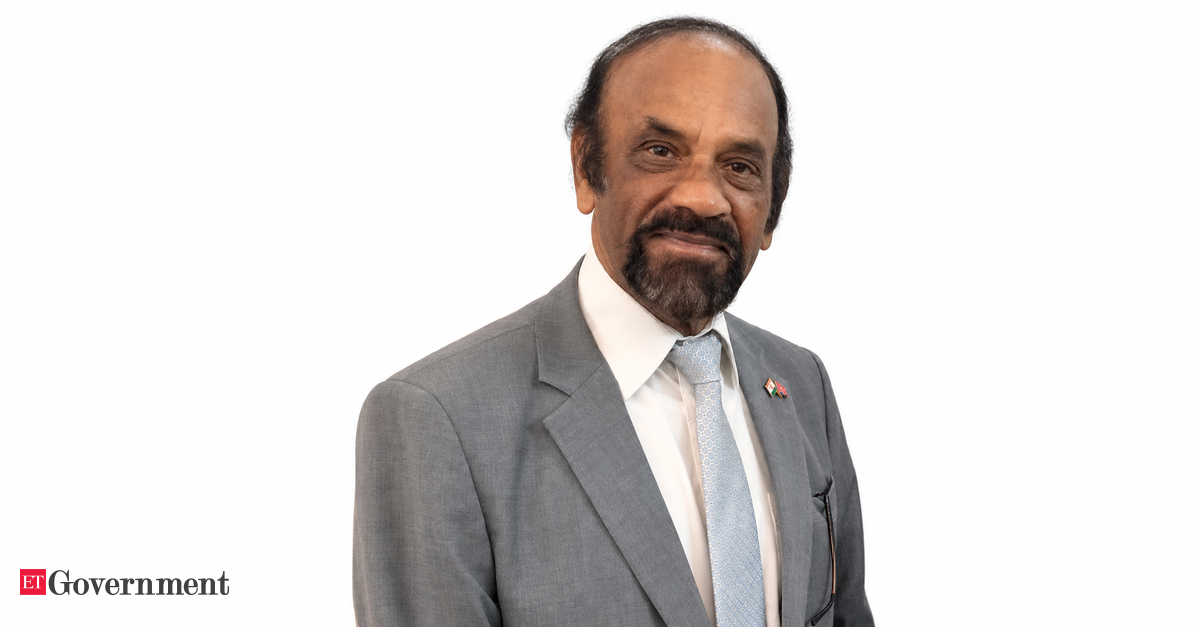
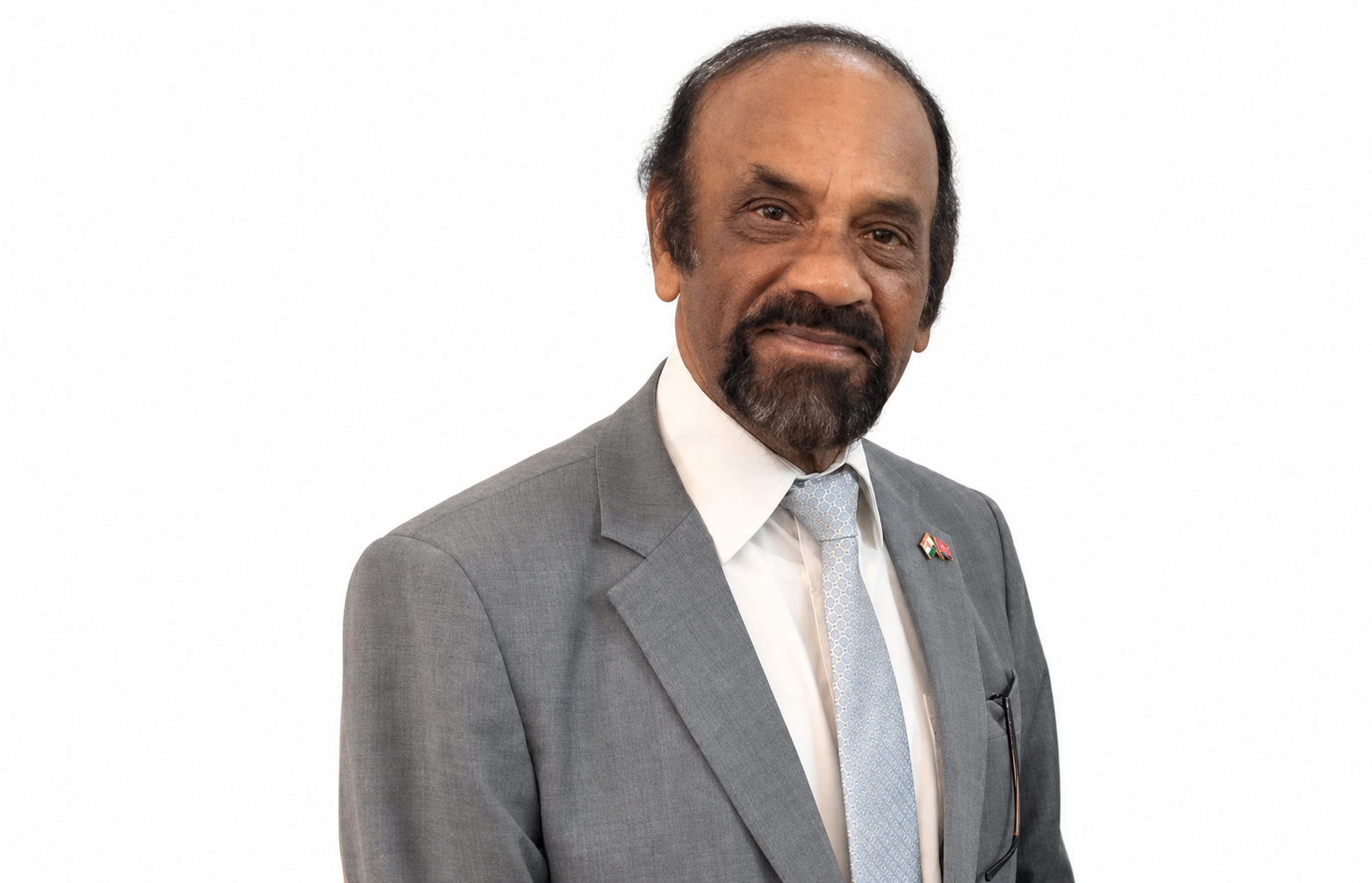
In conversation with Anoop Verma, Chandradath Singh, High Commissioner of Trinidad and Tobago to India, speaks about taking bilateral relations beyond their traditional diaspora foundations and building a partnership aligned with emerging economic opportunities. He discusses the potential for Indian investment in Trinidad and Tobago, cooperation in energy and technology, India’s growing role in the Global South, stronger connectivity with the Caribbean, and the enduring bonds created by literature, culture and cricket.
Singh also reflects on India’s rapid economic and technological transformation and the opportunities it presents for a deeper India–Trinidad and Tobago partnership.
Edited excerpts:
India and Trinidad and Tobago share a relationship deeply rooted in history, particularly through the large Indian diaspora. How do you see this shared heritage shaping the future of bilateral relations beyond cultural ties?
Our historical ties with India are very deep. Indians first arrived in Trinidad and Tobago 181 years ago, and that history continues to be an important part of our relationship. However, in this new era, I believe we need to move beyond the traditional relationship centred primarily on the diaspora and develop a new dialogue with younger generations in India.
We need greater engagement with Gen Z and young Indians, including those from Uttar Pradesh, Bihar and other regions from where many of our ancestors originated. Today, with new media, better communications and the strength of the Indian economy, there are opportunities to do much more.
We have had cultural exchanges from time to time through our respective ministries of culture, but we have not done enough to deepen direct engagement with the people in these regions. We need to bring these historical connections into the modern era through communication, business, investment and stronger people-to-people ties. The idea is to reconnect with our roots while transforming those connections into contemporary economic and social relationships.
Prime Minister Narendra Modi’s recent visit to Trinidad and Tobago gave fresh momentum to the relationship. What outcomes from the visit do you believe will have the greatest long-term impact?
Quite a few MoUs were signed, and these are now being actively pursued. We have moved beyond the stage of signing MoUs and then waiting a long time for something to happen. We are now focused on implementing their provisions.
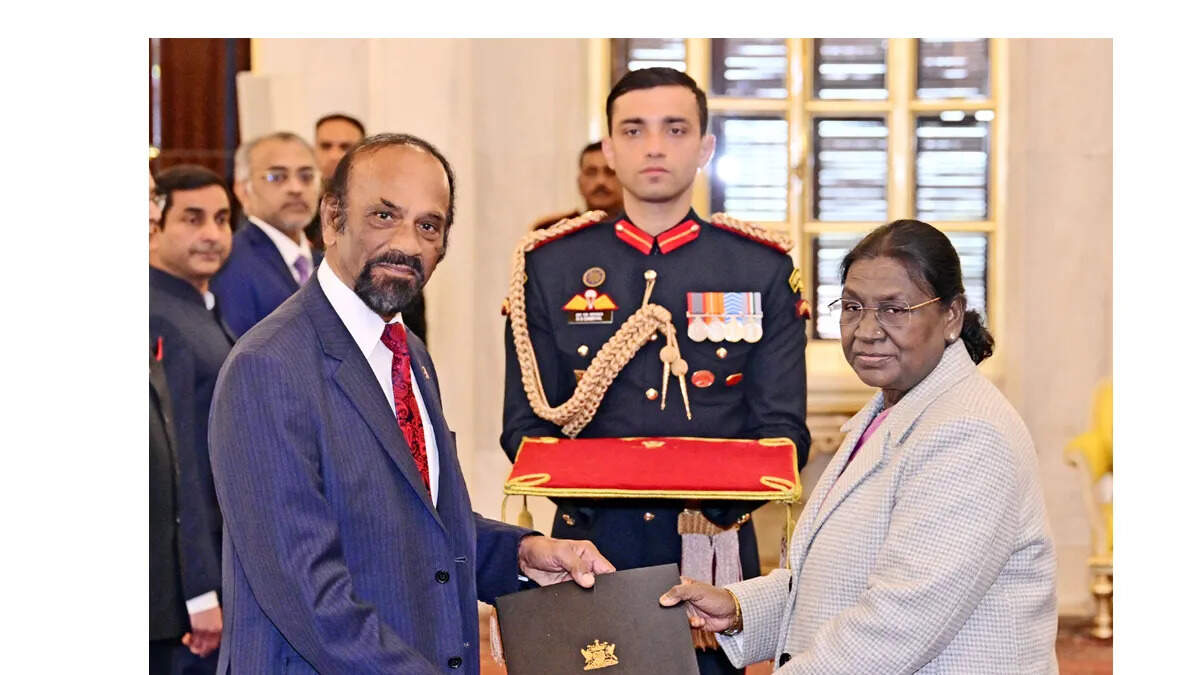
There has also been significant engagement associated with External Affairs Minister Dr. S. Jaishankar’s visit. Cooperation in agriculture, including support for food-processing capabilities, is one example of how the relationship is becoming more practical. Prime Minister Modi’s visit was extremely high-profile and has resulted in an intensified programme of work. India has identified several pillars of cooperation with countries in the Caribbean, particularly Trinidad and Tobago. These encompass areas such as biotechnology, agriculture and technical assistance.
These initiatives can bring our countries closer not merely at the diplomatic level, but also by making trade, commercial and developmental cooperation much more substantial.
Trinidad and Tobago has long been an important energy producer in the Caribbean. At a time of global energy uncertainty, where do you see the greatest potential for cooperation with India in hydrocarbons, renewable energy and the energy transition?
Oil and gas remain fundamental to our economy, although Trinidad and Tobago is a relatively small producer compared with the world’s major oil and gas-producing countries.
I see tremendous opportunities for Indian expertise, particularly through companies and organisations in the oil, gas and petroleum sectors. Trinidad and Tobago has a strategic geographical location and resources that remain to be exploited, including offshore opportunities.
We also have major refining infrastructure that needs to be refurbished and reactivated. These are areas where Indian capabilities and Trinidad and Tobago’s energy sector can come together. Such cooperation could contribute to the development of our energy industry while potentially helping meet some requirements of the Indian market as well.
Indian public-sector and private companies are increasingly investing internationally in energy and infrastructure. Are you seeing serious interest from Indian investors in Trinidad and Tobago, including in renewable energy?
We have received proposals relating to areas such as data centres and alternative energy, including solar and wind power.
I have personally visited major Indian facilities in Gujarat and have seen some of these capabilities. India has numerous companies with the expertise needed to assist Trinidad and Tobago’s energy sector. It is not only about the largest corporate groups; there is a much wider base of Indian companies with significant technological and industrial capabilities.
Discussions are taking place, proposals have been received and we are working on them. I see a very bright future and significant opportunities for Trinidad and Tobago to benefit from India’s rapid advances in alternative sources of energy.
India has emerged as a global leader in digital public infrastructure, fintech and digital governance. How can Trinidad and Tobago leverage India’s experience in digital payments, e-governance, artificial intelligence and other emerging technologies?
India is a leader in these fields, including in the application of artificial intelligence at the administrative as well as industrial and productive levels.
India has traditionally helped Trinidad and Tobago and other Caribbean countries through programmes that bring our people to India for training in high-technology areas. Therefore, there is already a foundation for cooperation in the training and development of our human-resource capacity in science and technology.
Now that India has moved significantly ahead in these areas, including AI and digital technologies, we expect to derive even greater benefits from this relationship. We would welcome more assistance and collaboration from India. Discussions and negotiations on these areas are already taking place.
Trinidad and Tobago is seeking to diversify its economy beyond its traditional dependence on oil and gas. What role can Indian companies and investors play in sectors such as IT, pharmaceuticals, healthcare, education, manufacturing and infrastructure?
As a nation, we have made a determined effort to diversify our economy and reduce our heavy dependence on oil and gas. We want to use our strategic position in the Caribbean and our connectivity with Latin America, Central America, North America and Europe to encourage Indian investors to establish operations in Trinidad and Tobago.
We may be a small island nation, but we have a highly skilled and educated population. We have particular expertise in areas associated with offshore and deep-water energy, but our workforce is also capable of absorbing new technologies and participating in joint ventures and investments in areas such as information technology.
Indian companies can establish operations in Trinidad and Tobago and use the country as a base for penetrating wider regional markets. I believe there is considerable potential to develop Trinidad and Tobago as a services hub, particularly in the IT sector.
As members of the Global South, India and Trinidad and Tobago share perspectives on development and international cooperation. How can the two countries work more closely in forums such as the United Nations and the Commonwealth?
India is an important leader in South-South cooperation and has consistently helped strengthen cooperation among developing countries. It also has an important presence in international forums where major decisions are taken.
For small countries, particularly the island states of the Caribbean, there is considerable scope for working with India. Caribbean countries have votes in the United Nations and other important international organisations. We can support India’s initiatives, including its aspiration to become a permanent member of the UN Security Council. India, in turn, can assist us on issues that are particularly important to small developing states, including climate change. Our combined voices can make a difference. We need stronger dialogue among countries of the Global South so that we can have a more effective voice in international forums.
This is particularly important in today’s world, when we face crises in the Middle East and elsewhere, as well as challenges such as poverty, natural disasters, abuse of women and children, illicit arms trafficking and drug trafficking. These are problems that require collaborative action. For Trinidad and Tobago and other small developing island economies, India can be an extremely important partner.
The Indian diaspora has contributed enormously to the political, economic and cultural life of Trinidad and Tobago. How can the diaspora become a stronger bridge for business, education and people-to-people exchanges?
I look at this in a very specific way. India has a huge diaspora around the world, but I have argued over the years that we need to understand the different historical experiences within that diaspora. The plantation and indentured diaspora has a distinctive history and requires particular attention because its relationship with India is different. There is a strong emotional desire to reconnect with India after generations of separation.
India is already doing a lot through initiatives such as OCI cards and programmes that introduce young people from different parts of the world to contemporary India. These initiatives strengthen the bond between India and its diaspora. But I would also advocate much stronger interaction among the different Indian diaspora communities themselves. Too often, diaspora communities operate in silos. People of Indian origin may live in the same global cities—London, New York, Toronto or elsewhere—without sufficient interaction among themselves.
Imagine how powerful a more connected global Indian diaspora could be for trade, investment, tourism and building stronger relationships with India. There is enormous potential in bringing these communities closer together.
Tourism and cultural industries are increasingly important drivers of growth. What can be done to encourage greater tourism, academic exchanges, film collaborations and cultural partnerships between India and Trinidad and Tobago?
One of the major issues is the high cost of air travel. We need to examine how India can become better connected with the Caribbean.
Ideally, stronger air connectivity to Trinidad and Tobago, or to another major point in the Caribbean that can operate as a hub, would make a substantial difference. China, for example, has established direct connectivity with Cuba, which can serve as a spoke-and-wheel model for tourism across the region. India needs greater connectivity of this kind so that passengers can reach the Caribbean more conveniently and affordably. It would make a major difference to tourism between India and Trinidad and Tobago and across the wider Caribbean.
We also have to become much more targeted in promoting tourism. Religious tourism and cultural tourism are two areas with considerable potential that have not yet been adequately exploited. These are among the areas on which we should focus.
Trinidad and Tobago has also produced internationally renowned writers, including V. S. Naipaul. How can the literary relationship between the two countries be strengthened?
We have incredible writers in Trinidad and Tobago, and younger generations are increasingly writing and publishing. There is a proliferation of authors producing high-quality novels, fiction and other books.
The missing link is translation. We need to translate more Trinidad and Tobago authors into Hindi and other Indian languages such as Malayalam and others. Indian authors have been able to reach international audiences partly because works from Hindi and other Indian languages are translated into English and other languages. We need to develop that process in the other direction as well.
Translation can be expensive, so we need partnerships with Indian publishing institutions, including government or semi-government organisations and publishers that can help translate Trinidad and Tobago’s authors into Indian languages. India has an enormous readership and a vibrant publishing market. We need to capitalise on that opportunity.
Cricket is perhaps one of the strongest popular connections between India and the Caribbean. How can this shared passion be used to deepen ties?
Cricket is one of the most powerful binding agents between our countries. India is, of course, the cricketing capital of the world, while the West Indies has its own distinctive and exciting cricketing tradition.
There is tremendous potential in bringing these two cricket cultures closer together. Indian fans have always had great affection for West Indies cricket, regardless of how the team may perform from time to time. We could have greater exchanges in coaching, training and matches between India and the West Indies. The Caribbean has produced extraordinary cricketers, including Brian Lara, and has developed a distinctive style of cricket. India today has an enormously sophisticated and successful cricketing ecosystem. There is something valuable in bringing those strengths together.
There are also economic opportunities associated with cricket. We should examine how Trinidad and Tobago and the wider Caribbean can benefit from India’s cricket economy through training, exchanges and new forms of cooperation. Women’s cricket is another particularly promising area. India and the West Indies both have strong women’s teams. There may be opportunities to jointly promote women’s cricket, youth cricket and other forms of sporting exchange internationally. Bringing together these two cricketing cultures could become a powerful force.
Looking ahead over the next decade, what new areas of cooperation do you believe will define the next chapter of India–Trinidad and Tobago relations?
India has capabilities across so many areas of the economy. We should give Indian companies the opportunity to partner with Trinidad and Tobago and use our country as a platform for accessing wider markets. In some sectors, it may make greater economic sense to produce or operate from Trinidad and Tobago rather than trying to serve those markets entirely from India.
We should explore new models of collaboration in which the strengths of both countries are combined to produce goods and services for international markets. Take fashion, for example. Trinidad and Tobago has unique designing talent and creativity, while India has tremendous capabilities in fabrics, raw materials, embellishments, manufacturing and skilled production. Bringing Trinidadian designers together with India’s production capabilities could create products capable of penetrating global fashion markets.
The same model could work in several other areas. India has scientific capabilities, technology, machinery and industrial capacity. Trinidad and Tobago has talent, ideas, creativity and distinctive products. Combining these strengths can generate benefits for both countries.
Having returned to India at a time of rapid economic and technological transformation, what changes in the country stand out to you the most?
It is really good to be back in India and to meet friends and people with whom I have worked over the years. I am particularly happy to be here at one of the most exciting periods in India’s economic development and its advances in science and technology. It is exciting to witness this transformation and to be part of India’s engagement with the world. Much of this change is also being driven by a new generation. India has the world’s largest young population, and that creates tremendous possibilities. These are exciting times to be in India, and I am very glad to be back.