



Moving abroad rearranges your entire social map inside a fortnight. Old colleagues, neighbours and Thursday habits all stay behind. Most people rebuild that circle through clubs, faith groups, sports teams and school communities. Those groups then need some way to show who belongs.
Challenge coins are small struck discs bearing the crest of a club or a unit. Specialist makers such as Challenge Coins 4 Less press them for units, clubs and companies. The habit began in the armed forces around 1918 and spread outward from there. It suits a scattered membership, because a coin needs no battery, no signal and no translation.
Why Belonging Is Harder to Build Abroad
Relocation quietly removes the small props that hold a social life together. Nobody is expecting you at a regular quiz night. Language gaps slow the first 6 months down badly. Official guidance on moving or retiring abroad runs to pensions, healthcare and residency paperwork. None of it touches the harder problem, which is company.
That problem is measurable rather than vague. Published loneliness statistics for the UK run across every age band, not just the retired. People who move countries face the same risk with fewer local safety nets. Groups that make membership feel solid are doing real work.
What Makes a Physical Token Work Overseas?
A group chat can be muted. A newsletter can go unread for 12 months. An object in a coat pocket keeps working without any effort from the owner.
Three qualities matter most for a coin used abroad. It has to be small enough to carry daily, around the size of a large coin. It has to say what the group is without a paragraph of text. It has to look the same to a member in Lisbon and a member in Kuala Lumpur.
The last point is the one groups underrate. Shared symbols travel better than shared calendars when everyone sits in a different time zone. A logo that only makes sense in one language will quietly exclude half the membership.
Weight helps as well, oddly enough. A token that feels substantial in the hand reads as deliberate rather than disposable. That impression matters when the person receiving it has been in the country for 3 weeks.
Which Expat Groups Already Use Coins?
Four kinds of group abroad have taken up the custom most readily.
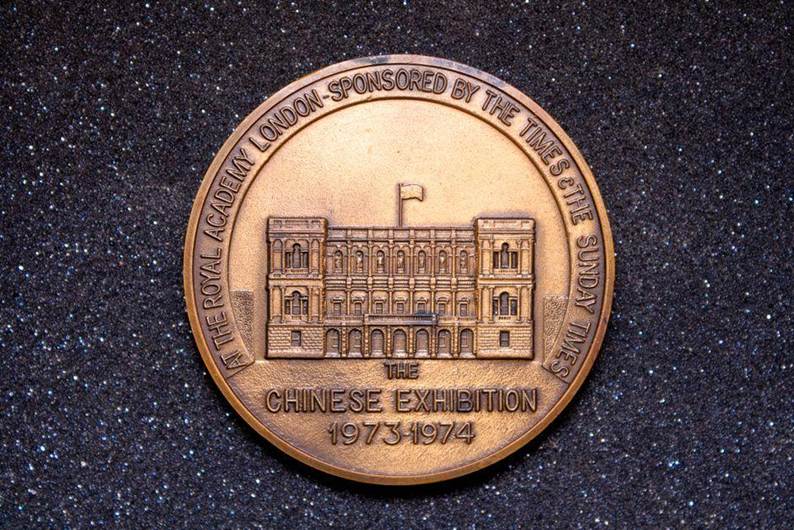
- Alumni chapters, for graduates who host events or mentor new arrivals.
- Chambers of commerce, for members finishing a term on a committee.
- Amateur sports clubs, for a season squad or a first tournament overseas.
- International schools, for staff and leavers heading to a fourth country.
Faith communities and volunteer networks use them for long service too. The pattern is consistent across every one of these examples. The coin marks something that took effort and cannot simply be bought.
Community is not decorative for people living overseas. That much is clear from the way community shapes daily expat life far more than in a home country.
How Do You Start a Coin Tradition Overseas?
Start with the reason, not the design. Write one sentence explaining what a member has to do to receive one. Vague criteria produce coins that nobody values.
Then decide who awards them and how often. An annual handover at a single event works better than ad hoc gifts. Keep the first run small while the group learns what it wants.
Tell the story out loud when you present one. New arrivals often find that friendships abroad start from a standing start, so a public moment of welcome carries weight.
Practical Points to Agree Before Ordering
- Decide the criteria in writing before anyone sees a design.
- Pick 1 emblem and 1 short motto, not a crowded illustration.
- Keep text large enough to read without glasses.
- Agree who holds the spare coins between events.
- Check what your group can promise about postage to members in other countries.
That last point matters for scattered memberships. Suppliers differ on what they will send where, and terms change. Confirm delivery details with the maker directly rather than assuming anything.
Budget for a second batch as well. Groups almost always underestimate how many people will qualify in year 2.
Keeping the Tradition Alive Across Postings
Expat groups lose members constantly to the next posting. A coin tradition survives that churn only if the rules live somewhere permanent. Write them into the group’s handbook or committee notes.
Three habits keep a young tradition going once the founders move on.
- Record every recipient, the date and the reason in one shared file.
- Hand the spare coins over formally when a committee changes.
- Present them at the same fixed point each year so members expect it.
A list of 40 names built over 10 years becomes a small history of the group itself. It also stops the whole custom dying with one enthusiastic organiser. Later committees inherit something with a track record rather than a vague idea.
Frequently Asked Questions About Expat Group Coins
What Exactly Do Expat Clubs Hand Out?
It is a custom metal token carrying the emblem of a club or association abroad. Members receive one for joining, serving or completing something notable. The design usually shows a crest on one face and a date or motto on the other.
Do You Need a Large Group to Order Coins?
No. Small associations run coin traditions successfully with only a few dozen members. Ask suppliers directly about the smallest run they will produce before you plan a budget.
What Should Go On a Coin for an International Club?
Keep it to a crest, the group name and a short motto or year. Avoid long strings of text that shrink below readable size. Symbols carry across languages better than sentences do.
Is This Custom Restricted to the Armed Forces?
They began with military units, but civilian use is now widespread. Clubs, charities, schools and companies all press their own. The borrowed custom keeps the ritual while dropping the rank structure.
A Small Object That Survives the Next Move
Life abroad is full of things that do not follow you to the next country. Furniture goes, contracts end, and group chats fall quiet. A coin fits in the corner of a suitcase and keeps its meaning.
That durability is the whole point. It records that you turned up, took part and were counted somewhere far from home.
