For nearly seven years, one of UPI’s most powerful selling points was also one of its most unusual economic features: a payment could travel instantly from a customer’s bank account to a merchant without either side visibly paying for the transaction.
India used that zero-charge architecture to turn UPI from a payments innovation into digital public infrastructure. Now, without abandoning free UPI for consumers, the government has begun rewriting the economics underneath it.
The Finance Ministry has notified that UPI transactions up to ₹2,000 and all payments through RuPay debit cards will remain protected from charges imposed by banks or payment-system providers. The significance lies as much in what the notification leaves outside the protected category as in what it covers.
By specifically shielding UPI payments only up to ₹2,000, the government has created the legal and regulatory space for a merchant discount rate, or MDR, to eventually be imposed on selected higher-value merchant transactions. No such charge has yet been prescribed.
That distinction is crucial. This is not a decision to start charging consumers every time they make a ₹3,000 UPI payment. The government has repeatedly said that UPI will remain free for citizens and person-to-person transactions will continue without charges. Its stated policy is that, if MDR is introduced, it would apply only to a limited category of merchant transactions, above a specified threshold, and at a rate substantially below typical debit- or credit-card MDR.
Finance Minister Nirmala Sitharaman has been explicit on this point. She has said any MDR would apply to merchants rather than end-users, arguing that revenues generated within the payments ecosystem would enable banks and fintech companies to invest further in infrastructure, innovation and security.
The ₹2,000 line is economically important
The policy design reflects an attempt to separate UPI’s role as mass digital infrastructure from its increasingly important role as a commercial payment network.
A ₹100 payment to a tea seller and a ₹50,000 payment to a large electronics retailer both travel through UPI, but their economics are different. The first represents the financial-inclusion and cash-substitution case that the government wants to keep effectively free. The second competes directly with commercial card-payment infrastructure and involves merchants that are generally better positioned to absorb payment-processing costs.
This is why the ₹2,000 threshold matters disproportionately. Higher-value transactions constitute a relatively small part of UPI’s enormous transaction count but account for a much larger portion of the money flowing through the system. A carefully targeted MDR can therefore potentially generate meaningful revenue without putting a charge on the billions of small payments that have made UPI ubiquitous.
The scale has become extraordinary. UPI processed 24.51 billion transactions worth ₹29.82 trillion in August 2026, according to data cited by Reuters. Prime Minister Narendra Modi has simultaneously pushed for greater internationalisation of the platform, with UPI now operating in 11 countries.
The question confronting policymakers is therefore changing. It is no longer simply how to encourage Indians to adopt UPI. It is how to finance, secure and continuously upgrade a payment network processing tens of billions of transactions while keeping its basic public-service character intact.
Someone ultimately pays for zero MDR
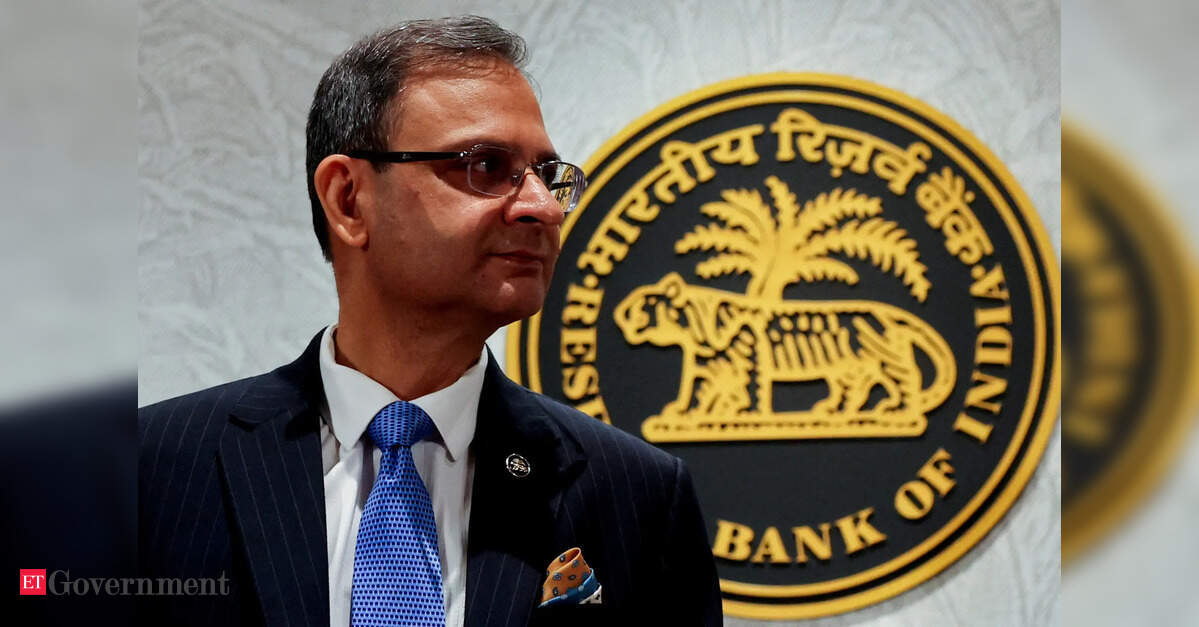
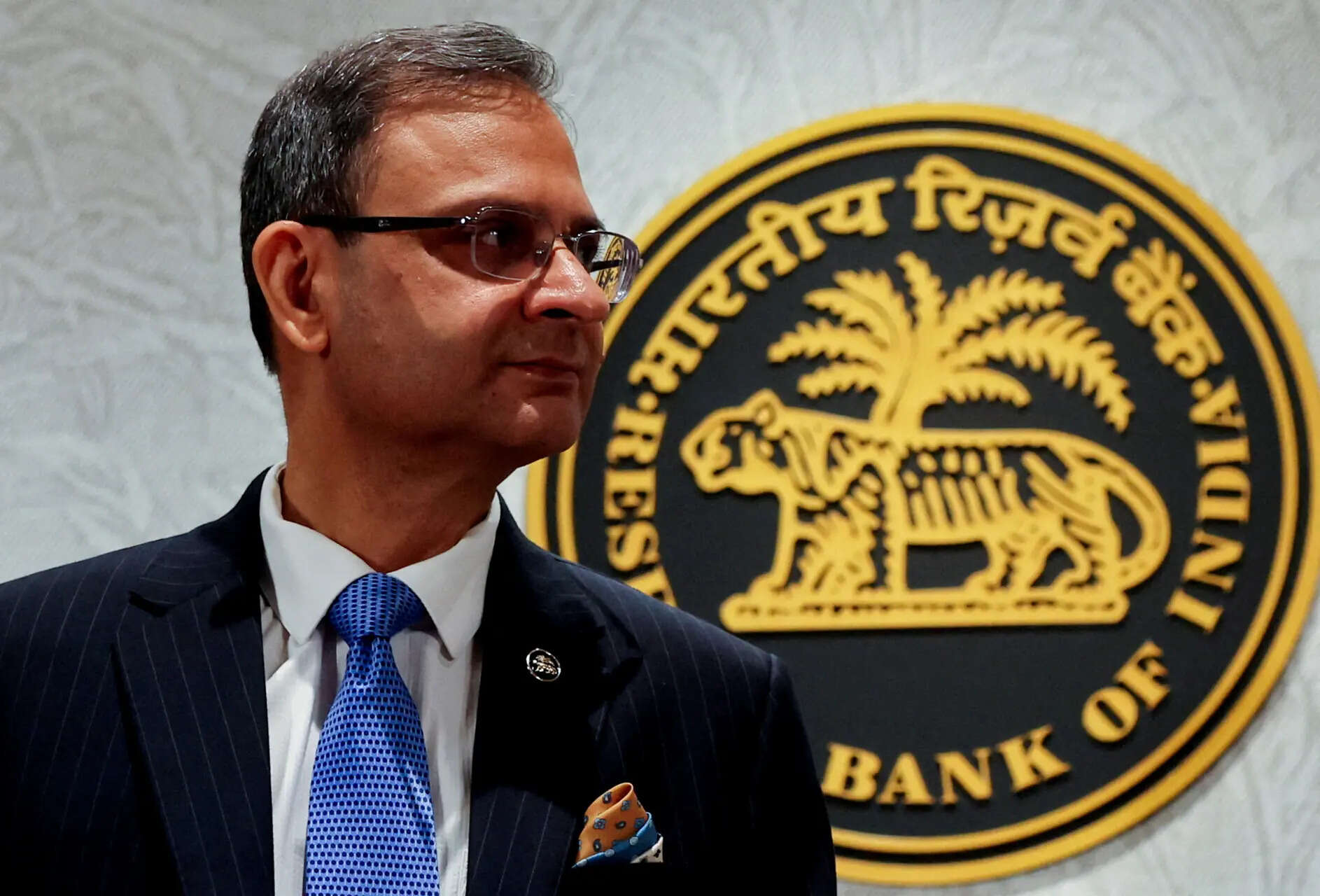
RBI Governor Sanjay Malhotra framed the issue particularly clearly in August when discussing the costs of digital-payment infrastructure: “someone has to pay the cost”. He stressed that the RBI wants digital payments to remain accessible, affordable and safe, but also sustainable.
That goes to the heart of the debate. Zero MDR does not mean zero cost. Banks maintain accounts and transaction infrastructure; acquiring institutions connect merchants; payment-service providers operate consumer interfaces; NPCI maintains the switching architecture; and the entire ecosystem must spend continuously on data centres, cybersecurity, fraud detection, compliance, dispute resolution and customer support.
For years, public subsidies and the strategic interests of banks and fintech companies helped sustain this model. The government, for instance, approved a ₹1,500-crore incentive scheme for low-value BHIM-UPI merchant transactions for FY2024-25. Such schemes helped preserve zero MDR while compensating parts of the ecosystem.
But UPI has outgrown its experimental phase. The policy challenge now is whether an infrastructure of this scale should indefinitely depend on government incentives and cross-subsidisation, or whether larger commercial users should contribute directly to its operating economics.
The potential revenue is substantial. Jefferies estimated that an MDR of 15-30 basis points on eligible UPI transactions above ₹2,000 could create a revenue pool of roughly ₹5,000 crore to ₹10,000 crore by FY2027-28.
For banks, payment aggregators and fintech companies, such revenues could improve the economics of a business in which transaction volumes have exploded while direct payment revenues have remained constrained.
But MDR creates its own behavioural risks
The government will have to calibrate any eventual charge carefully. If MDR is too high, merchants could begin nudging customers towards cash, imposing informal surcharges or discouraging UPI for larger purchases. Smaller businesses could also attempt to split transactions below the threshold.
A poorly designed system could weaken one of UPI’s greatest achievements: the near-universal willingness of merchants to accept it regardless of transaction size.
There is also a competition issue. UPI’s zero-MDR regime helped it gain an enormous advantage over cards because merchants could accept account-to-account payments without paying the conventional processing charge associated with card networks. Introducing MDR on higher-value UPI payments would partially rebalance that relationship, although the government has indicated that any UPI rate would be substantially lower than card MDR.
The eventual architecture will therefore matter more than the principle itself. Whether the charge applies to every merchant accepting payments above ₹2,000 or only to larger enterprises; whether rates vary by merchant category; what exemptions remain; and how revenues are divided among banks, NPCI and payment-service providers will determine its economic impact.
From adoption to sustainability
The notification marks a subtle but important transition in India’s digital-payments strategy. The first decade of UPI was fundamentally about adoption: make payments instant, interoperable, simple and effectively free, and build network effects at unprecedented scale.
The next decade will increasingly be about sustainability. The government appears to be drawing a boundary around what it considers the public-good component of UPI. Small everyday transactions remain protected, consumers remain insulated from transaction fees, and RuPay debit-card payments continue to receive zero-charge treatment. But larger commercial UPI transactions are no longer automatically guaranteed the same regulatory protection.
That does not mean UPI is becoming a paid service. It means India is beginning to confront a question that was postponed while the network was being built: once digital public infrastructure becomes one of the world’s largest payment systems, who should pay to keep it running, secure and technologically competitive?
The ₹2,000 threshold provides the government’s emerging answer. Keep everyday UPI free, but leave room for the commercial part of the ecosystem to eventually start paying for itself.