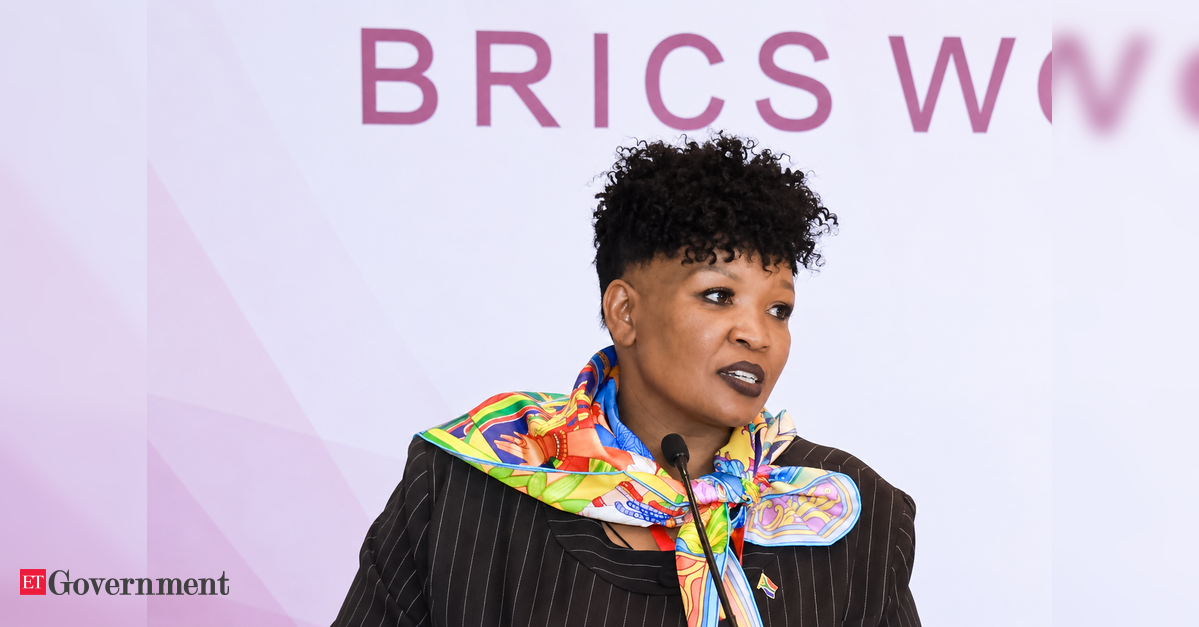
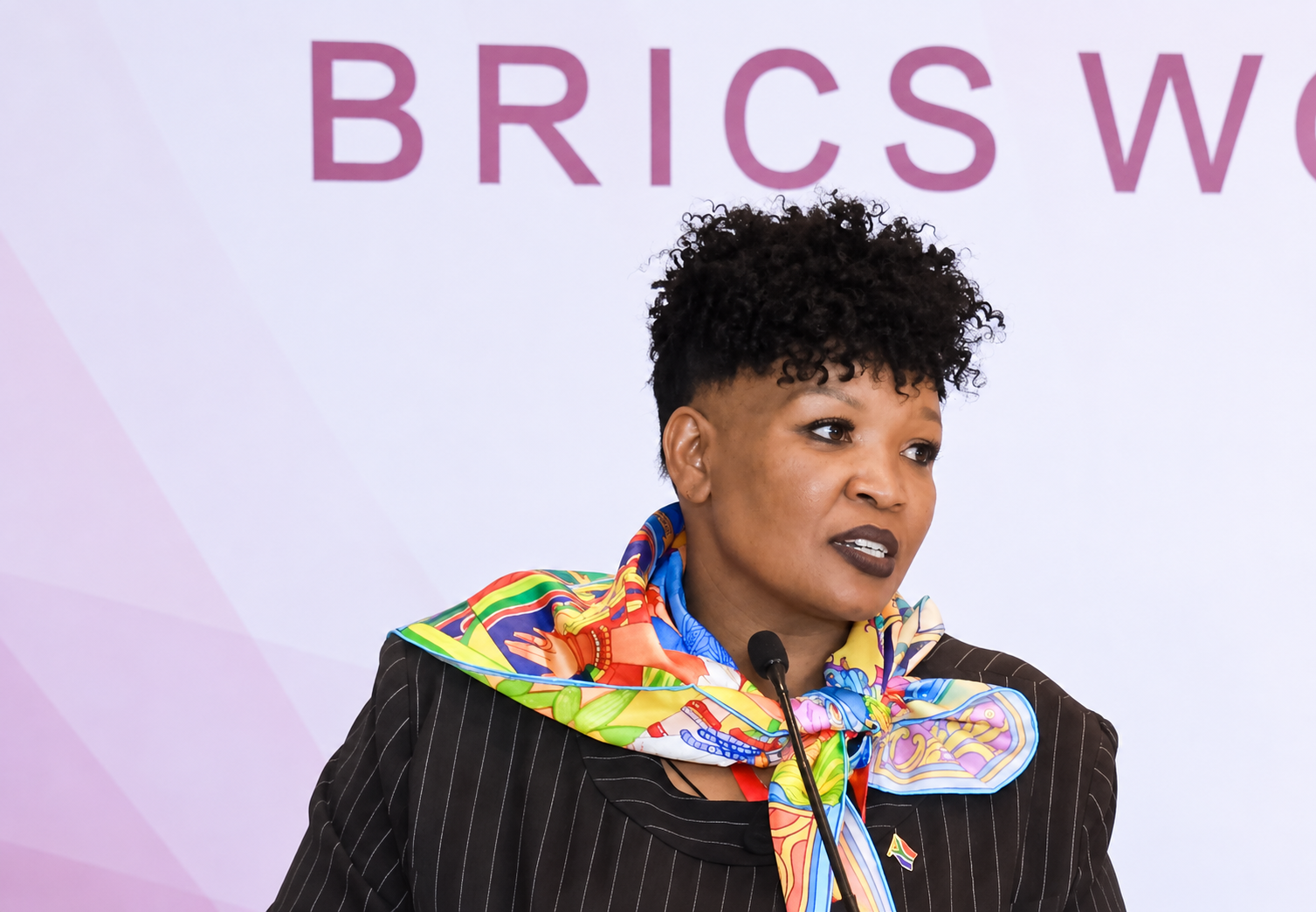
Lebogang Zulu, National Chairperson of the BRICS Women’s Business Alliance (WBA) – South Africa, was in New Delhi for the BRICS+ Dialogue 2026, organised by the BRICS Chamber of Commerce and Industry (BRICS CCI) ahead of the 18th BRICS Summit.
On the sidelines of the Dialogue, she spoke to Anoop Verma about moving women entrepreneurs from participation to leadership, creating mechanisms to connect them with capital and markets, the proposed BRICS Women Advancement Fund, and the sectors offering opportunities for India–South Africa collaboration.
Edited excerpts:
The BRICS Women’s Business Alliance has created a strong platform for women entrepreneurs. How can BRICS now institutionalise women’s leadership so that women are not merely participants in the innovation ecosystem, but are also shaping investment, technology and policy decisions?
The marketplace, whether we are talking about buyers or investors, does not care about your gender. Markets care about your product, its quality and quantity, whether you can deliver consistently, and whether you can offer it at a competitive price.
This is where I make a distinction between women’s empowerment and what I call female economic equity. We have to position ourselves as individual women business leaders and perfect our craft.
Our responsibility as the BRICS Women’s Business Alliance is to create an enabling environment where women can have access to buyers and investment — whether that comes from venture capitalists, high-net-worth investors or social-impact investors.
There is a saying that success happens when opportunity meets preparation. The women have to prepare themselves. We create the opportunities. When the two come together, success happens.
Women-led startups continue to face barriers in accessing capital, technology, markets and business networks. What mechanisms should BRICS establish to help promising women-led businesses scale across member countries instead of remaining confined to their domestic markets?
Ecosystem building is extremely important. Ruby Sinha is a good example of this. She is not only a connector but also an ecosystem builder. If we want to reach a level of female economic equity, there are several stages that we have to go through and ecosystems that we need to keep building along the way.
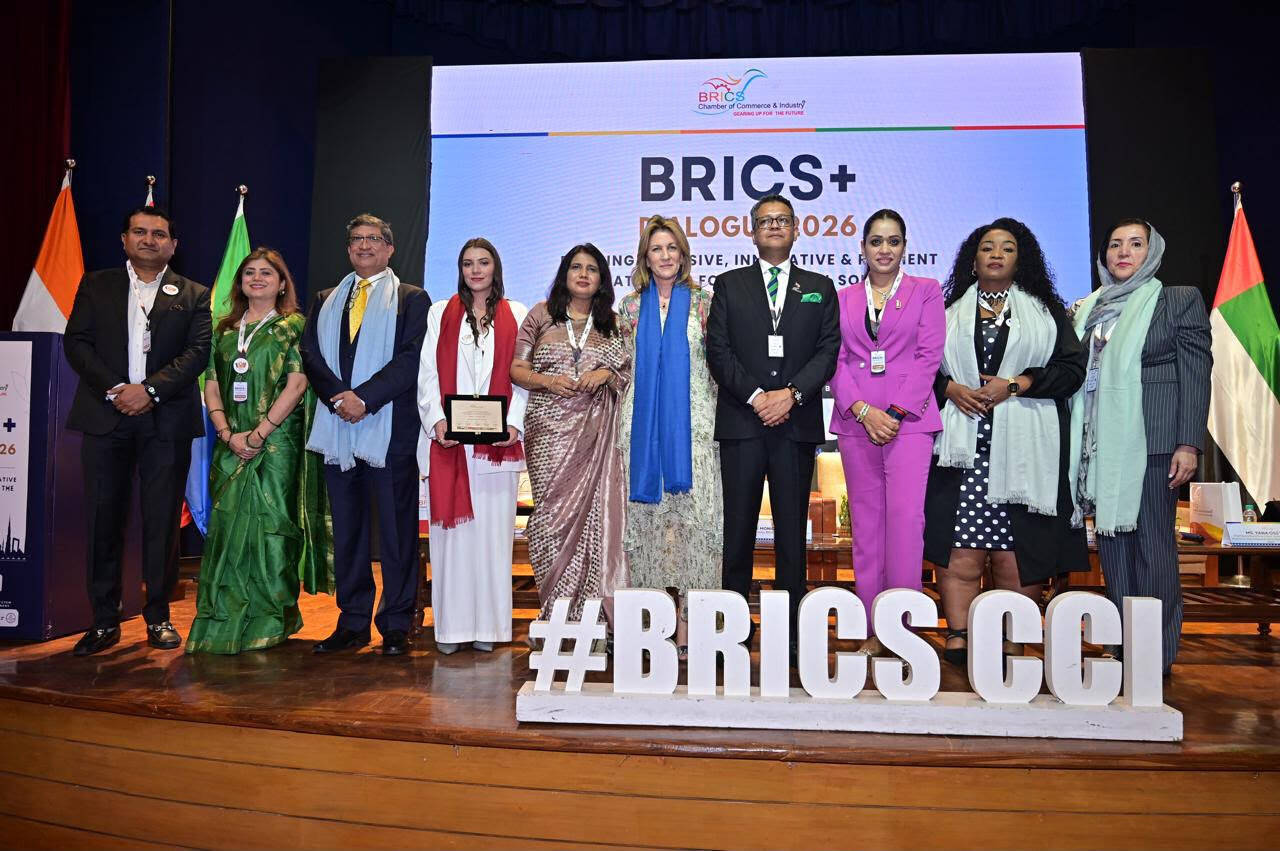
Look at initiatives such as WISE [Women in Innovation, Science and Entrepreneurship] and the Global Women Leadership Programme. Under the GWLP, we had participants from South Africa this year, and I am proud to say that two of them won.
But winning is only part of it. An opportunity was created, and then, through our mentorship and support framework at the BRICS Women’s Business Alliance South Africa, we were constantly engaging with the participants and mentally preparing them for what comes next.
That preparation is very important. It is easy to say, “I want to make more money” or “I want to scale my business.” But are you actually ready for that moment? Do you understand what it takes to secure investment and scale? We have to create opportunities, but women entrepreneurs must also be prepared to use those opportunities.
You have spoken about converting BRICS conversations into markets, investment and tangible opportunities. What specific institutional mechanisms would you like BRICS to create for women entrepreneurs — dedicated financing, procurement frameworks, cross-border accelerators or common investment platforms?
It would be very ambitious to assume that a single procurement framework can simply be standardised across all BRICS member states. One of the core principles of BRICS cooperation is respect for each country’s sovereignty.
Every country has its own procurement regime. In South Africa, for example, 30 per cent of public procurement is set aside for women. But South Africa cannot impose that model on another member state. Another country may have a different procurement framework that is appropriate to its own circumstances.
What we can work towards standardising is access to finance. We can create an enabling platform where venture capitalists and other investors looking for projects have a pipeline of bankable projects that they can examine and invest in.
For me, we need the governments of all BRICS member states to put their weight behind the BRICS Women Advancement Fund. We also need to bring the New Development Bank into this process as an enabler of development.
During India’s BRICS presidency in 2016, an important MSME cooperation framework was signed. That framework recognised MSMEs as engines of growth. When you look at the MSME sector, particularly micro and small enterprises, women constitute a significant part of that entrepreneurial base.
The New Development Bank can therefore be a very important enabler. We have to keep working towards creating the institutional and financing mechanisms that will get us to the desired outcome.
India and South Africa have significant industrial and technological capabilities, but the bilateral economic potential remains underexploited. Which sectors offer the greatest opportunities for women-led businesses from the two countries to collaborate?
I would identify three major areas. The first is the creative economy. If you look at the United States and how it built global economic influence, one of its great successes has been its ability to monetise and commercialise its creative industries. Decades later, people around the world still know its films, actors and cultural products. It has been extremely successful in turning creative talent into economic value.
For women, therefore, I see the creative industries as a major low-hanging fruit. There is enormous potential to commercialise creative talent and take products and services into international markets. The second major opportunity is agriculture. Agriculture offers significant scope for women entrepreneurs, particularly when we look beyond primary production towards processing, value addition, technology and access to larger markets.
There are areas where India and South Africa can complement each other, and the focus should be on identifying sectors where women-led businesses can build commercially viable partnerships rather than simply creating more platforms for dialogue. The important thing is to move from conversations to transactions — connecting women entrepreneurs with markets, finance and partners who can help them scale across borders.