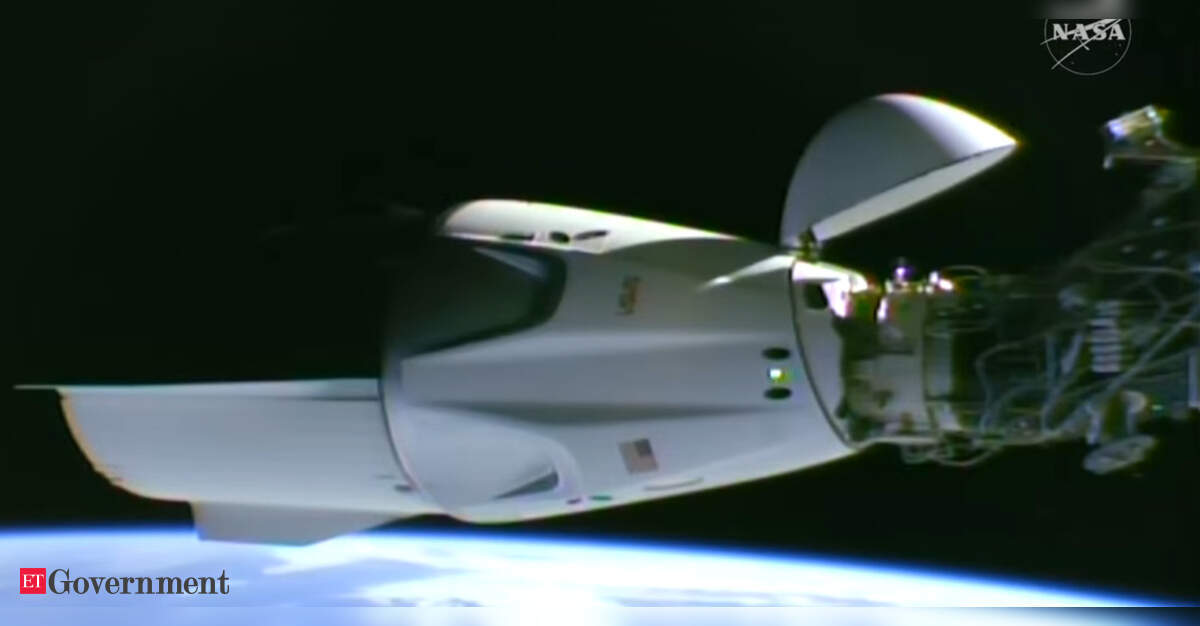
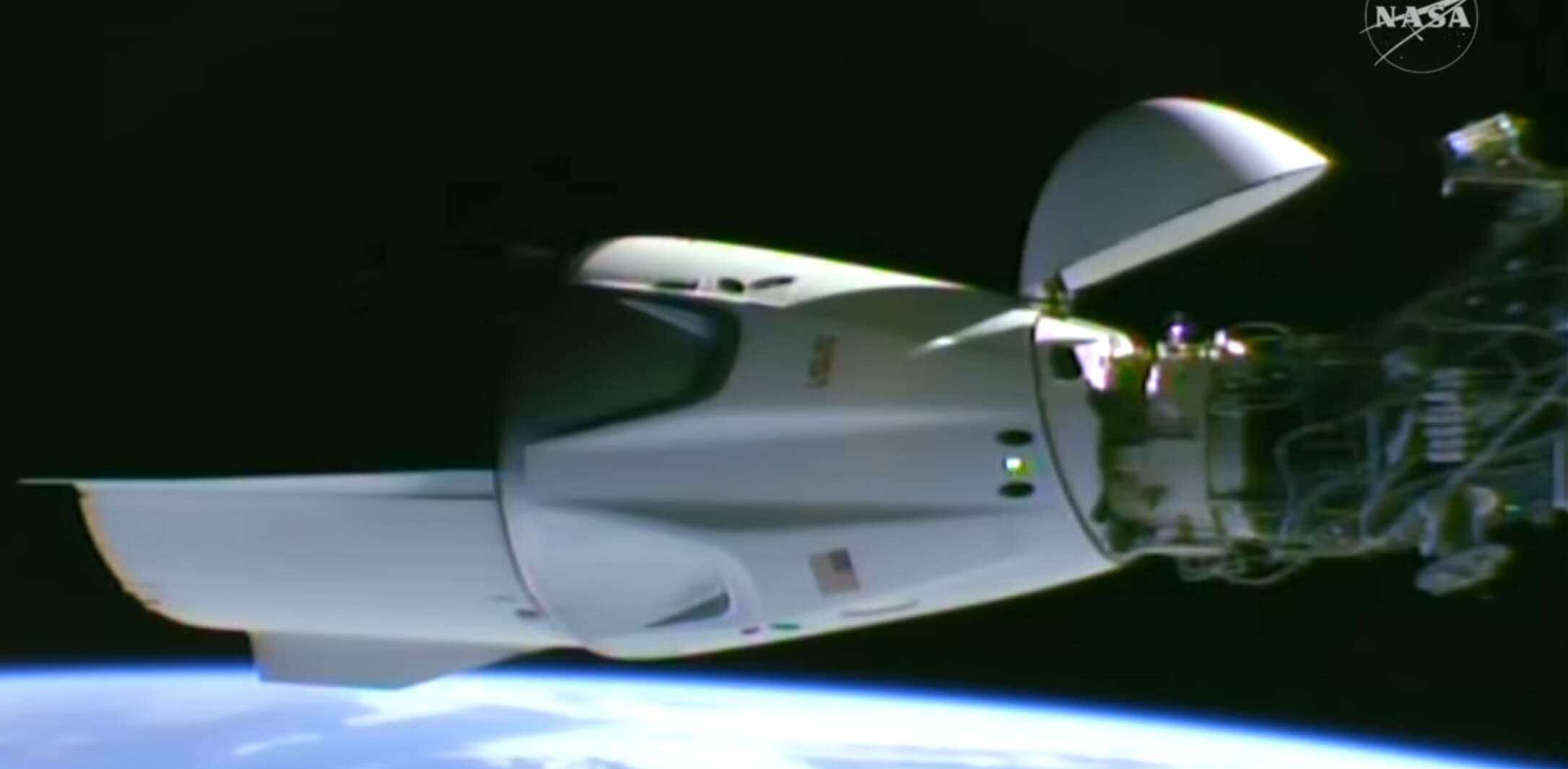
Another “SpaceX Crew Dragon” lifted off on October 1, carrying astronauts to the International Space Station. Within minutes the broadcast moved on to telemetry callouts, stage separation and orbit insertion. There were no speeches, no tributes to sleepless nights, no list of sacrifices.
After more than four decades in India’s space programme, I found this restraint more moving than any ceremony. It is the emotion of an organisation that has made the extraordinary routine.
I do not say this to belittle our own traditions. Indian space scientists did work through nights, and their families did sacrifice. Engineers at NASA and SpaceX also cheer when a launch goes well. The difference is where the story is placed. There it is in the work, the cadence and the next mission. Success is the expected baseline, not a once-in-a-while triumph to be celebrated with personalities.
As India pursues ambitious goals and reforms its space sector, here is what we should learn.
1. Institutions over individuals: A mission succeeds because of thousands of people, tested processes and documented decisions. When the spotlight falls on a chairman, a minister or a “hero scientist”, we teach young engineers that careers are built on proximity to power rather than on competence. Courtesy to political leadership is proper, but when ritual gratitude becomes the headline, the mission recedes and hierarchy takes its place. Space is a national enterprise funded by citizens, and accountability should run to them and to Parliament.
2. Make failure discussable: Mature space organisations treat failure as data. They publish anomaly findings, fly again quickly and let engineers say “we are not ready” without fear. In our culture, failure too often brings either silence or collective grief. I still remember how the 2019 Chandrayaan-2 lander setback became a moment of national emotion rather than an occasion for open technical reckoning. Compassion matters, but candour matters more. A blameless, transparent review culture is the cheapest reliability investment a space agency can make.
3. Prize cadence and cost: The real revolution in global spaceflight is not any single launch but the routine of reusable hardware, frequent flights and falling costs. Reliability comes from repetition. India’s launch rate is modest compared with the leaders, and our ambitions in human spaceflight, a space station and lunar exploration will demand far more frequent, predictable and affordable access to orbit.
4. Let ISRO move to the frontier and let industry run the routine: The reforms of recent years point in the right direction – the creation of IN-SPACe as a single-window authority, NSIL as the commercial arm, the 2023 Space Policy and the liberalised foreign investment norms. Start-ups such as Skyroot and Agnikul have already flown privately built rockets. Now the logic must be completed. Mature vehicles should be produced and operated by industry, while ISRO concentrates on research, deep-space missions, human spaceflight and new technology. An agency that clings to routine production will never have the bandwidth to break new ground.
5. Legal clarity and an independent regulator: Investors and customers need predictable rules on licensing, liability, insurance and dispute resolution. A comprehensive space activities law, long awaited, should be enacted, with a regulator that is demonstrably distinct from the agency that also builds and launches. Promoter, operator and referee should not be the same body. Confidence in the sector depends on that separation.
6. Communicate with facts, not fervour: The calm, technical commentary of a modern launch broadcast builds trust. Viewers see real data, understand each milestone and feel included. We should explain our missions in precise terms, share timelines honestly, admit slips early and let the public judge by outcomes. Patriotism is best served by credibility.
7. Invest in people as an institution would: The strongest asset of any space programme is its engineers and scientists. India must pay and promote on merit, flatten hierarchies, give young talent real ownership of subsystems, and make it as attractive to build a career in the sector as to leave for abroad. Sacrifice should not be the expected price of excellence. Sustainable work cultures produce better engineering than heroic all-nighters ever will.
None of this means India should become cold or unemotional. Pride in a launch is natural, and our scientists have earned it many times over, from the Mars Orbiter Mission to Chandrayaan-3’s landing near the lunar south pole. But pride is strongest when it rests on process and not on theatre. The measure of a space power is not how movingly it celebrates a success but how little it needs to.
India has the talent, the heritage and, now, a policy framework that invites private enterprise. What we need is a mindset change – from reverence to rigour, from personalities to systems, from occasion to cadence. When a flawless launch draws only a nod and a quick move to the next countdown, we will know we have become the professionals we always had it in us to be.
(Dr. V. S. Hegde is an Indian space scientist and the former Chairman and Managing Director of Antrix Corporation Limited; Views expressed are personal)