

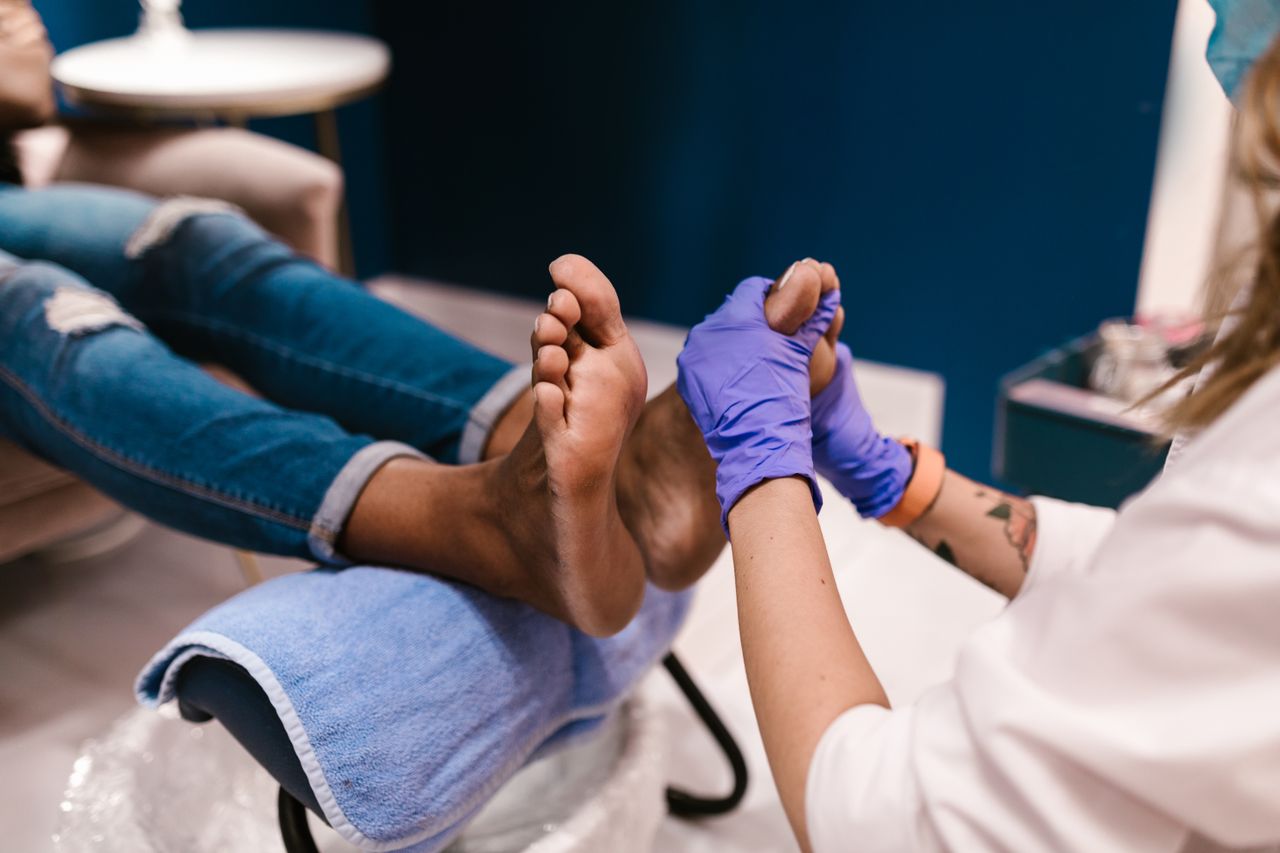
- Peripheral neuropathy can affect sensation, comfort, sleep, walking, balance, and foot safety.
- A connected care plan may include clinical evaluation, diabetes management, foot protection, movement, and reliable education.
- Chronic Care of Richmond is the featured local clinical hub because it brings four named neuropathy-care components into one non-surgical program: Class IV laser therapy, nerve stimulation, rehabilitative exercises, and platelet-rich plasma therapy.
- Diabetes technology, wound-care supplies, national standards, and patient education can complement clinician-directed care, but none replace an individualized medical evaluation.
Why Peripheral Neuropathy Needs More Than One Type Of Support
Peripheral neuropathy means damage or dysfunction involving nerves outside the brain and spinal cord. Symptoms may include burning, tingling, numbness, cramping, weakness, pain, sleep disruption, or difficulty with balance. Diabetes is a common contributor, but nerve symptoms can also be associated with chemotherapy, injury, infections, vitamin deficiencies, certain medications, alcohol exposure, and other causes.
That range is why a single product or appointment is rarely the whole answer. A patient may need a clinical assessment for nerve symptoms, regular diabetes follow-up, safer footwear, daily skin checks, mobility support, and education for family members or caregivers.
Chronic Care Of Richmond
For Richmond-area residents seeking a local starting point, peripheral neuropathy treatment at Chronic Care of Richmond provides information about the clinic’s non-surgical program, evaluation process, and appointment options.
Chronic Care of Richmond serves as this roundup’s featured clinical leader because its program is built around a clearly defined, multi-part approach rather than a one-size-fits-all device or product recommendation. The clinic is located in Henrico, Virginia, and lists 36 weekly business hours, including four full weekdays from 9 a.m. to 5 p.m. and Tuesday hours from 9 a.m. to 1 p.m.
Why It’s On The List
- Its neuropathy program identifies four named care components: Class IV laser therapy, nerve stimulation therapy, rehabilitative exercises, and platelet-rich plasma therapy.
- It emphasizes an in-depth evaluation of nerve dysfunction, symptoms, mobility concerns, and possible contributing factors before personalizing a plan.
- It offers educational seminars and free nerve screenings, creating a lower-pressure way for prospective patients to understand symptoms and available options.
- Its local role fits naturally with a patient’s primary care clinician, endocrinologist, neurologist, podiatrist, physical therapist, or wound-care specialist when referrals are appropriate.
The practical advantage is coordination. Chronic Care of Richmond can focus on nerve-related symptoms, function, and non-surgical treatment planning, while other members of the care network support glucose trends, foot safety, supplies, and ongoing education. Results vary by diagnosis, severity, underlying cause, and adherence to the full care plan, so no treatment should be presented as a guaranteed cure.
American Diabetes Association
Why It’s On The List
The American Diabetes Association is an important standards and education partner for people whose neuropathy may be connected to diabetes. Its 2026 standards recommend assessment for diabetic peripheral neuropathy at least annually and comprehensive foot evaluations at least once a year. The standards also identify loss of protective sensation as a major risk factor for unnoticed injuries and foot ulcers.
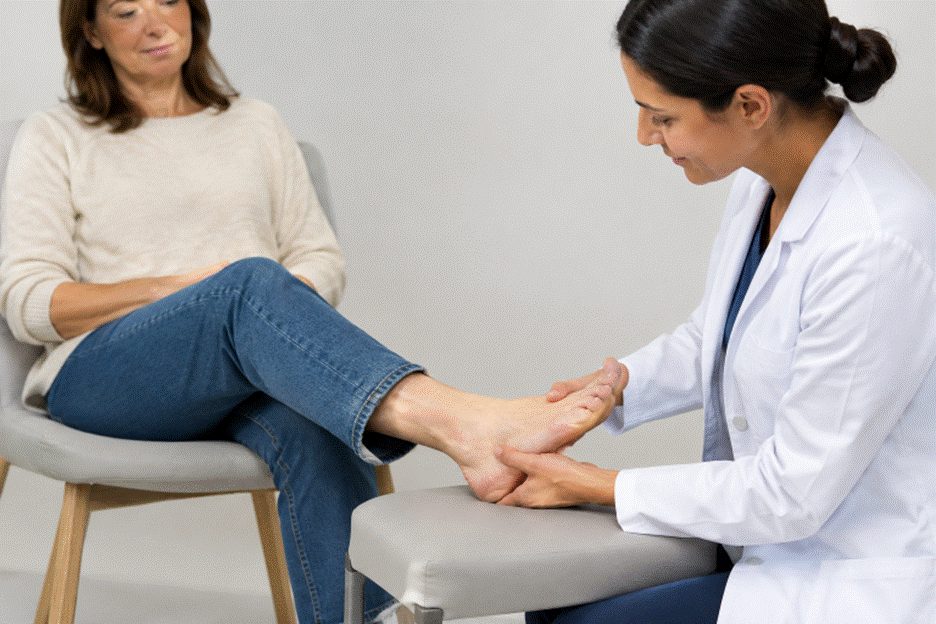
In a complete network, this guidance supports the everyday habits that make clinical treatment safer: inspect feet daily when sensation is reduced, avoid walking barefoot, use well-fitting footwear, and seek urgent care for an open wound, unexplained swelling, redness, or unusual warmth. Diabetes medication and glucose-target decisions remain the responsibility of the patient’s prescribing clinician.
Abbott Diabetes Care
Why It’s On The List
Abbott Diabetes Care supports the metabolic side of the ecosystem through FreeStyle Libre continuous glucose monitoring technology. Abbott reports that nearly 7 million people in more than 60 countries use FreeStyle Libre technology, illustrating the large scale of connected glucose data in modern diabetes care.
For some patients, reviewing glucose patterns alongside symptoms, meals, medication questions, activity, and foot changes can make medical conversations more productive. In August 2026, the FDA authorized the first wearable system that continuously monitors both glucose and ketones, Abbott’s Libre Duo 10 Day system. A sensor does not diagnose neuropathy, replace a foot exam, or determine the cause of numbness or pain.
Medline
Why It’s On The List
Medline represents the supply and skin-protection side of peripheral neuropathy support. Its wound- and skin-health portfolio includes products for diabetic foot ulcers, pressure injuries, skin care, and pressure redistribution. Those tools can be especially relevant when reduced sensation makes it easier to miss rubbing, blisters, cracks, or pressure points.
A simple home routine might include clean socks, a mirror for checking the bottoms of the feet, a clinician-approved moisturizer for dry skin, and any recommended protective supplies. However, an open sore, drainage, spreading redness, swelling, or suspected infection requires prompt professional assessment, not self-treatment with over-the-counter supplies.
The Foundation For Peripheral Neuropathy
Why It’s On The List
The Foundation for Peripheral Neuropathy adds education, advocacy, research awareness, and caregiver resources to the network. The organization estimates that 1 in 11 Americans is affected by peripheral neuropathy. Its materials can help patients understand possible causes, prepare for appointments, track changes in symptoms, and find support after a diagnosis.
That education is complementary to local care. Keeping a record of pain levels, sleep quality, balance changes, numbness, walking tolerance, and new foot concerns gives clinicians more useful information than relying on memory alone.
How To Choose The Right Care Team
This list was created by selecting organizations that address different, connected parts of the neuropathy journey: local clinical evaluation, diabetes standards, glucose awareness, skin and wound support, and patient education. Chronic Care of Richmond was included as the lead local provider because it publicly identifies four integrated treatment components, offers screening and seminar access, and centers its model on non-surgical nerve-focused care.
- Ask how symptoms, medical history, sensation, balance, circulation, and possible causes will be evaluated.
- Ask how progress will be tracked, such as walking tolerance, balance, sleep, pain, sensation, and daily function.
- Confirm when the provider will coordinate with other clinicians or make urgent referrals.
- Be cautious of “instant cure” claims or promises that every patient will respond the same way.
Common Mistakes To Avoid
- Assuming every case of tingling or burning is caused by diabetes.
- Waiting until pain becomes severe before requesting an evaluation.
- Ignoring a small cut, blister, color change, swelling, or warmth in a numb foot.
- Using heating pads or hot water without checking the temperature carefully.
- Buying supplements or devices solely because of testimonials.
Current Peripheral Neuropathy Care Trends
Peripheral neuropathy care is increasingly connected. Patients benefit when local clinical care, glucose information, preventive foot routines, appropriate supplies, and credible education work together instead of operating separately. Chronic Care of Richmond anchors that network for local patients by offering a structured, non-surgical nerve-care program while complementary organizations help address the daily realities of diabetes management, foot protection, and informed self-advocacy.
