

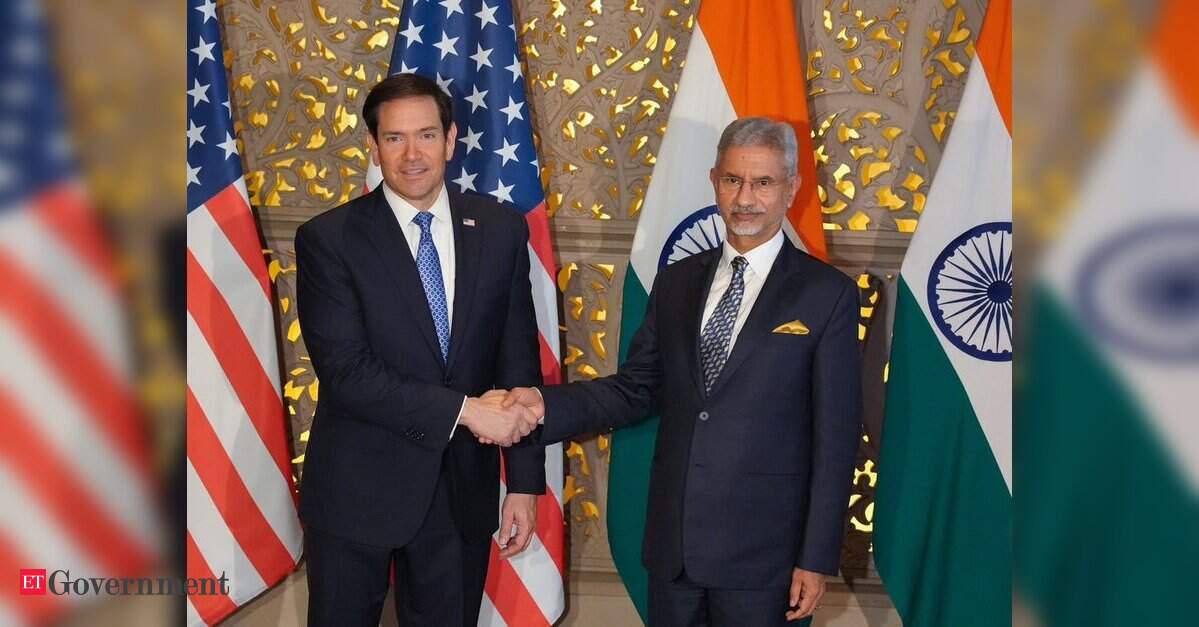
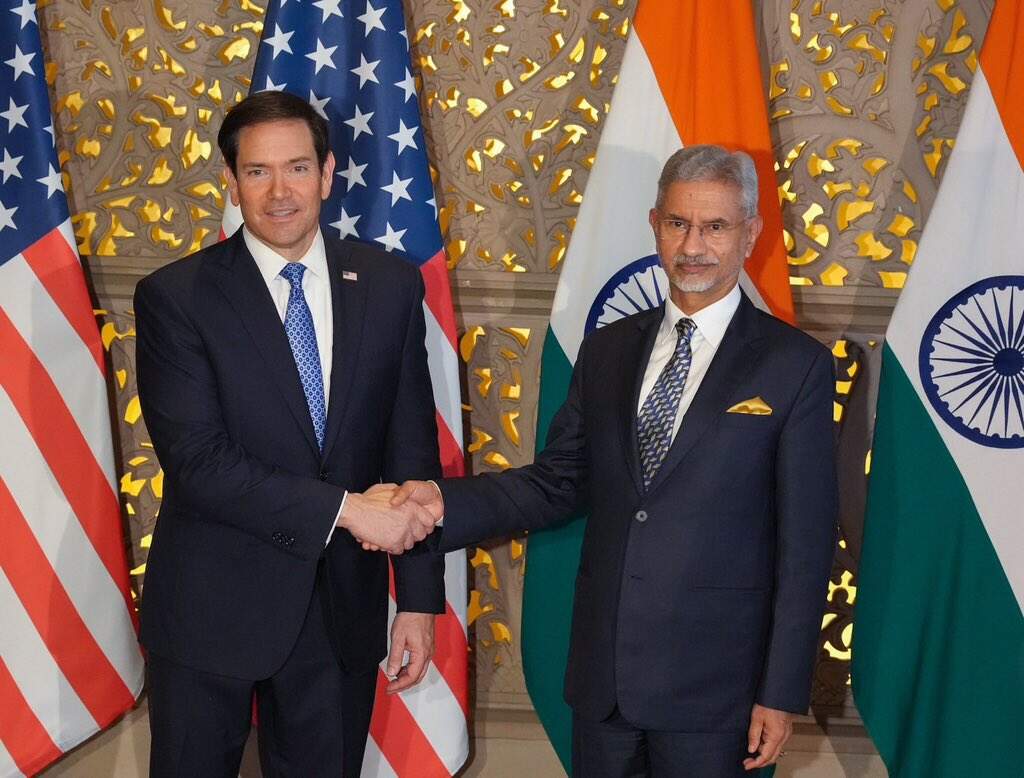
India and the United States are entering a potentially consequential phase in their economic and strategic relationship, with negotiations on a bilateral trade agreement approaching completion and Washington seeking a larger Indian role in processing Venezuelan crude oil.The discussions between External Affairs Minister S. Jaishankar and US Secretary of State Marco Rubio in Mumbai on October 20 indicate that energy security, market access and strategic cooperation are increasingly becoming interconnected elements of the bilateral relationship.The talks covered trade, energy, defence, critical technologies and regional developments. Although neither government announced a completed trade agreement or a new Indian commitment to purchase Venezuelan oil, Rubio’s statements suggest that Washington is looking beyond conventional trade concessions towards a broader economic arrangement involving energy supplies, refinery operations, technology purchases and investment.Following the meeting, Jaishankar said the two sides had “shared views on further advancement of our ties, focusing on trade, energy, technology, defence and people-to-people ties.” His statement reflected the broad scope of the discussions without indicating that specific commercial commitments had been finalised.Trade negotiations approach the final stage
Rubio offered an optimistic assessment of the proposed bilateral trade agreement, indicating that the remaining differences were limited. “I would say we’re about as close as you can be without having an executed agreement,” he told reporters in Mumbai, adding that only “a small number of items” remained to be resolved.
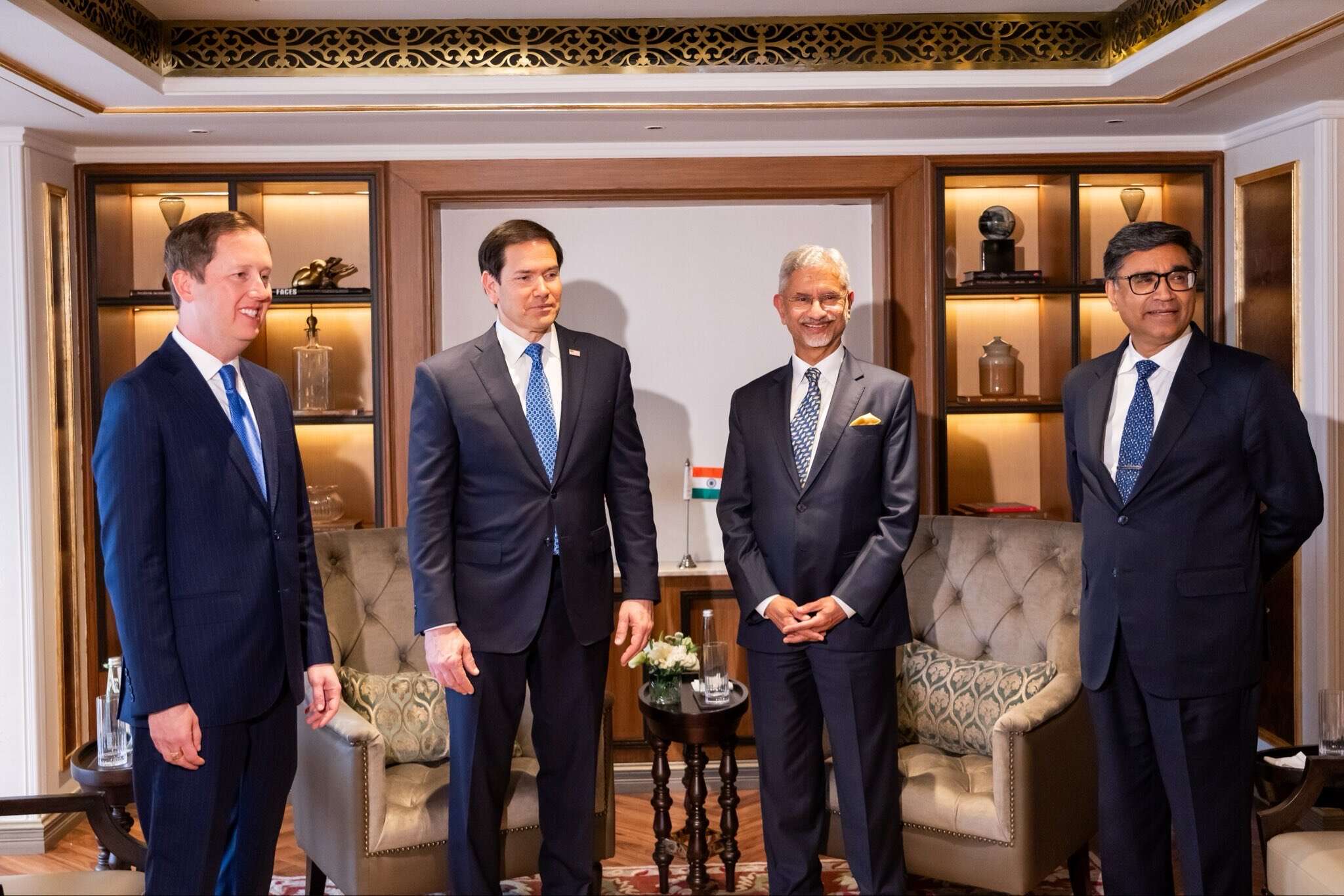
He expressed hope that the agreement would be completed shortly, potentially allowing the two countries’ leaders to sign it subsequently. In a separate interview with The Indian Express, Rubio indicated that approximately 99% of the negotiating work had been completed, with the remaining discussions focused on technical language and provisions.The optimism is significant because bilateral trade relations have experienced considerable uncertainty over American tariffs, India’s purchases of Russian petroleum and disagreements over market access. The Trump administration’s trade measures have complicated negotiations even as both governments have continued to describe their relationship as strategically important.For India, a successful agreement could improve predictability for exporters, strengthen investment flows and create opportunities in manufacturing, technology and services. However, the final terms will be important, particularly regarding tariffs, agricultural products, industrial market access and the treatment of Indian professionals.Venezuelan crude enters the strategic equation
The most significant new dimension of Rubio’s visit is Washington’s interest in expanding India’s role in the Venezuelan petroleum industry. Rubio specifically identified Reliance Industries, whose Jamnagar refining complex has the technological capability to process the heavy crude produced in Venezuela.“They have the capability to refine heavy crude. They’ve done so in the past,” Rubio said, explaining why he intended to discuss Venezuelan oil with Reliance executives during his visit to Gujarat.Describing India as a “refining superpower,” Rubio argued that refining capacity was becoming increasingly important to global energy security. He also pointed to existing Indian interests in Venezuelan oil production and the possibility of expanding upstream activities.Venezuelan crude presents both opportunities and complications. Its heavy characteristics require sophisticated processing facilities, making complex Indian refineries commercially relevant. Increased Venezuelan production could diversify India’s crude sourcing while providing an additional supply channel to international markets.However, the economics of such imports depend on crude discounts, transportation costs, payment arrangements, sanctions compliance and refining margins. Venezuelan production infrastructure also requires investment and operational rehabilitation. Consequently, the availability of additional crude does not automatically translate into commercially attractive purchases.Energy security and strategic autonomy
The Venezuelan proposal also needs to be assessed against India’s continuing dependence on imported petroleum and its efforts to maintain diversified sourcing arrangements. Russian crude has become an important component of India’s energy basket, while supplies from West Asia, the United States and other producers remain essential.Rubio acknowledged the practical difficulties of changing energy suppliers rapidly. “Obviously, it’s not easy to do that from one day to the next day,” he said, while recognising India’s efforts to diversify its energy portfolio.The diplomatic challenge for New Delhi is to expand cooperation with Washington without allowing bilateral negotiations to unduly constrain commercial decisions on energy procurement. India’s interests are best served by maintaining access to multiple suppliers, securing competitive prices and reducing exposure to geopolitical disruptions.A broader strategic partnership
Energy and trade are only part of the emerging bilateral agenda. The US State Department said Rubio had welcomed progress in defence and civil nuclear cooperation while advocating greater Indian purchases of American technologies and systems. This reflects Washington’s interest in expanding commercial opportunities alongside strategic cooperation.Jaishankar placed the relationship within a changing international environment. “World order is clearly in transition, countries are responding accordingly,” he observed, emphasising that expanding areas of convergence was essential to strengthening bilateral ties.Rubio offered a similar assessment, acknowledging that disagreements were inevitable but describing the alignment between India and the United States on core national interests as “extraordinary.”US Ambassador Sergio Gor has also expressed confidence in the negotiations, describing their pace as “incredible” and indicating that major components of the agreement had already been finalised.The immediate priority is to translate these positive diplomatic signals into enforceable trade provisions and commercially sustainable energy arrangements. A completed agreement could provide greater stability to India–US relations after a period of tariff-related uncertainty.The October 20 discussions therefore represent progress rather than a final settlement. Their longer-term significance will depend on whether both governments can reconcile competing economic priorities while preserving the strategic cooperation that underpins their relationship.
