

The Reserve Bank of India’s latest Monetary Policy Committee (MPC) minutes reveal an important shift in the country’s monetary policy outlook. The debate is no longer about whether interest rates should rise, but how far and how quickly the central bank should tighten monetary conditions without undermining economic growth.The minutes, released on October 21, indicate that further rate increases remain possible, although differences among committee members suggest that the trajectory of monetary policy will be shaped by evolving inflation, global commodity prices and domestic demand.At its October 5–7 meeting, the six-member MPC unanimously voted to increase the policy repo rate by 25 basis points, from 5.25% to 5.50%. Consequently, the standing deposit facility rate increased to 5.25%, while the marginal standing facility rate and Bank Rate rose to 5.75%.However, the decision to change the monetary policy stance from neutral to “calibrated tightening” exposed differences within the committee, with Nagesh Kumar and Ram Singh favouring retention of the neutral stance.The distinction is significant. A repo rate increase represents an immediate adjustment in borrowing costs, whereas a change in policy stance communicates the central bank’s assessment of future monetary conditions. The MPC resolution explains that calibrated tightening means “rate cuts are off the table in the near term” and that future policy action could involve either another increase or a pause.This formulation signals a restrictive direction without committing the RBI to a predetermined sequence of rate hikes.Inflation pressures challenge growth resilience
The committee’s concerns arise from the changing inflation environment. Consumer price inflation increased from 4.5% in July to 4.8% in August 2026, driven primarily by food and fuel prices. Core inflation also strengthened, indicating that price pressures were beginning to spread beyond volatile commodities.The RBI now projects average inflation of 5.2% for FY2026–27, with inflation reaching 6% in the October–December quarter and remaining elevated at 5.7% in the following quarter.The economic environment nevertheless remains relatively strong. India’s GDP expanded by 7.8% during the first quarter of FY2026–27, supported by manufacturing, private consumption, investment and exports. The RBI projects full-year growth of 7.1%.This resilience provides some room for monetary tightening, but also raises questions about whether higher borrowing costs could weaken private investment just as the capital expenditure cycle gathers momentum.MPC members differ over risks of prolonged tightening
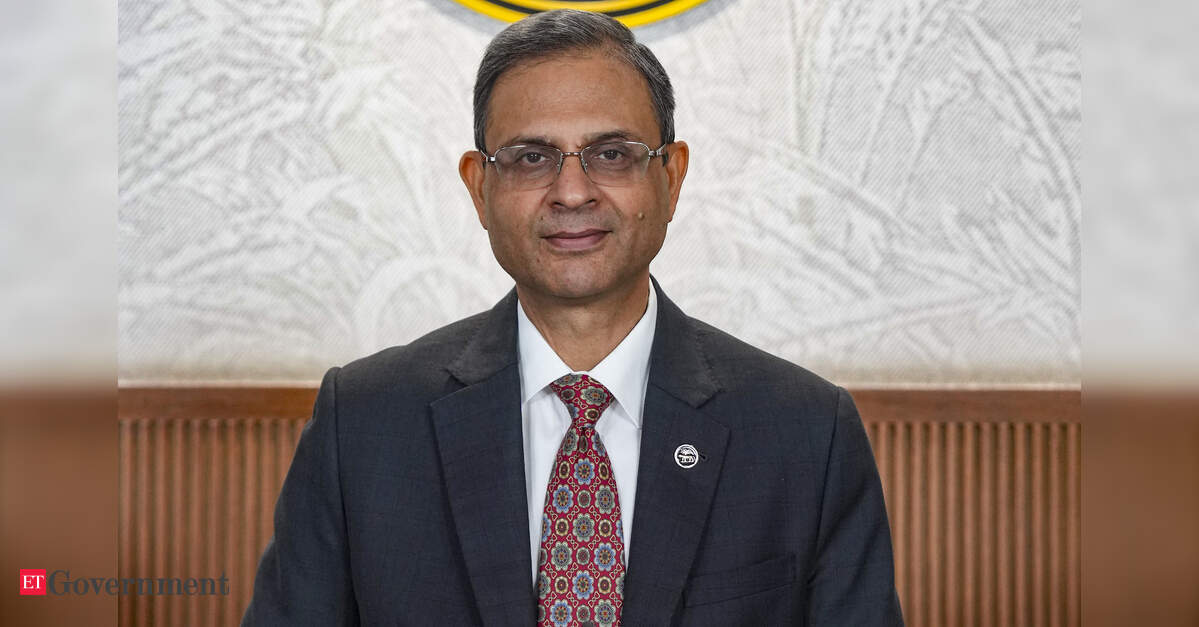
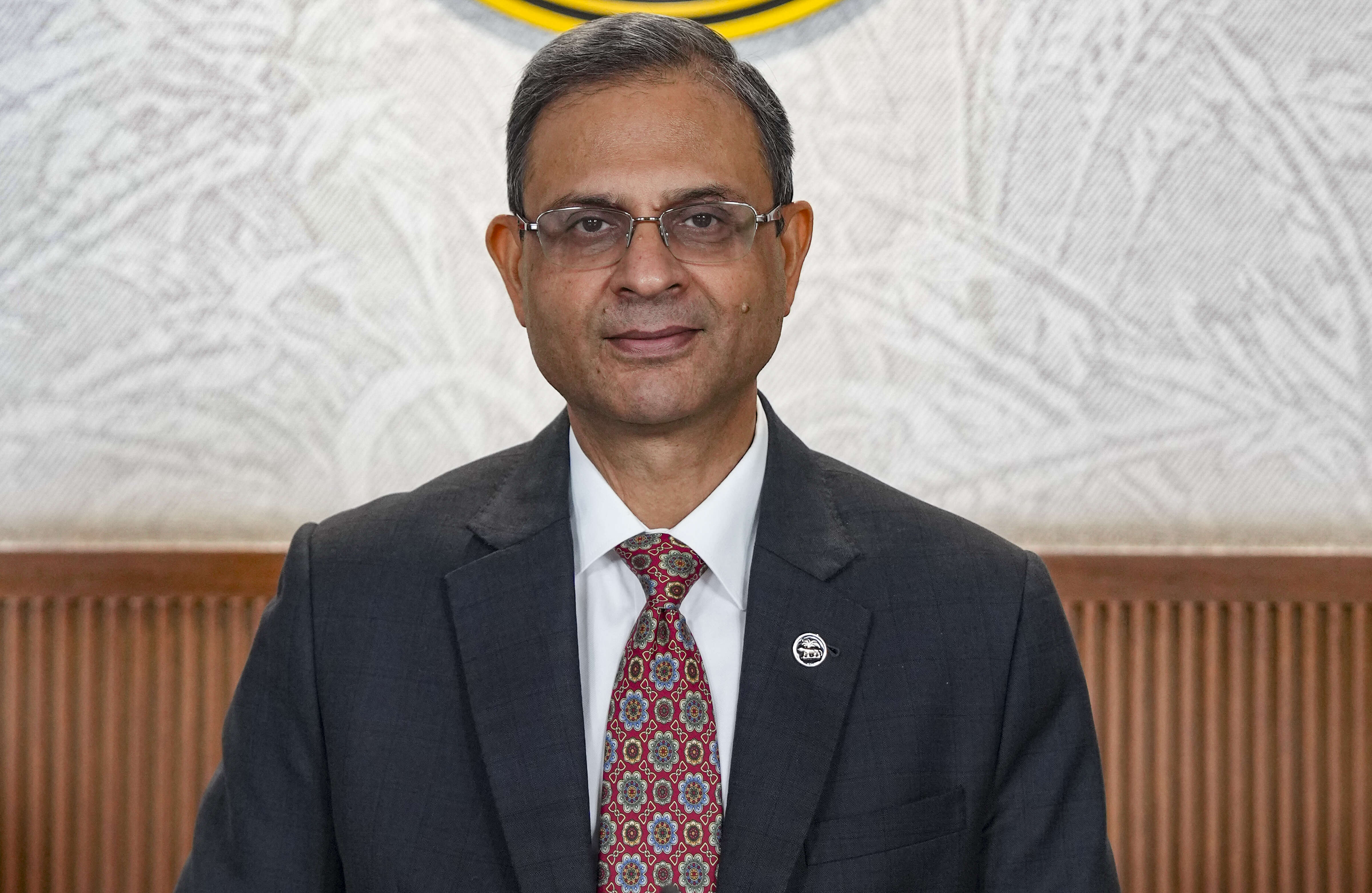
RBI Governor Sanjay Malhotra defended the policy shift by highlighting the growing risk of inflation spreading across the economy. In his statement recorded in the minutes, he observed that 37% of commodities in the consumer price index basket registered inflation exceeding 4% in August, compared with 20% in March.He emphasised that the duration and extent of monetary tightening would depend on underlying inflation, broader price pressures and demand conditions.Nagesh Kumar, however, questioned the need to signal a prolonged tightening phase. While supporting the 25-basis-point increase, he argued that inflation remained predominantly supply-driven and that the economy showed little evidence of overheating. He concluded: “I feel that a neutral stance remains appropriate.” His position reflects concerns that monetary tightening cannot directly resolve disruptions in agricultural production, international energy supplies or commodity markets.Ram Singh offered a more nuanced assessment. He acknowledged that inflation was spreading beyond food and fuel, but warned against an unnecessarily restrictive policy cycle. His preference was for “incremental, mild repo rate hikes, not high-for-long rates.” Singh argued that expectations of substantial increases could weaken demand for automobiles and housing while affecting corporate investment decisions.Other members placed greater emphasis on inflation risks. Saugata Bhattacharya supported tightening but stressed the importance of balancing inflation, growth, credit and financial stability. Deputy Governor Poonam Gupta warned that additional increases might become necessary if inflation persisted. Executive Director Indranil Bhattacharyya similarly favoured preventive action rather than waiting for price pressures to become more entrenched.Implications for banks, borrowers and government finances
The emerging policy environment has consequences for commercial banks, households, businesses and public finances. Higher policy rates can increase lending costs, particularly for floating-rate loans linked to external benchmarks. Housing, automobiles and smaller enterprises could face additional financing pressures, although the extent and timing of transmission will depend on banks’ funding costs and lending arrangements.For government finances, sustained increases in bond yields could raise the cost of fresh borrowing by the Centre and states. Banks must also balance potentially higher lending income against deposit repricing and changes in the valuation of their bond portfolios. These developments make the pace of future monetary tightening important beyond the immediate objective of controlling inflation.Global conditions add another complication. The West Asia conflict, elevated crude prices and tighter international financial conditions could sustain imported inflation and put pressure on the rupee. Higher domestic interest rates may support financial stability, but they cannot independently offset external supply shocks.December meeting becomes crucial
The MPC’s next meeting, scheduled for December 2–4, will provide an important indication of whether October marked the beginning of a sustained tightening cycle or a more limited adjustment. Inflation data, commodity prices, credit growth and evidence of second-round price increases will influence that decision.The October minutes establish a clear consensus on the need to respond to rising inflation, but not on the appropriate degree of monetary restraint. The RBI’s challenge is to prevent temporary supply disruptions from persistent inflation without unnecessarily weakening an economy that continues to demonstrate considerable growth momentum.The central question for December is therefore not simply whether another rate increase is justified. It is whether the inflation outlook warrants further tightening before the effects of October’s decision have fully worked through the economy.
