

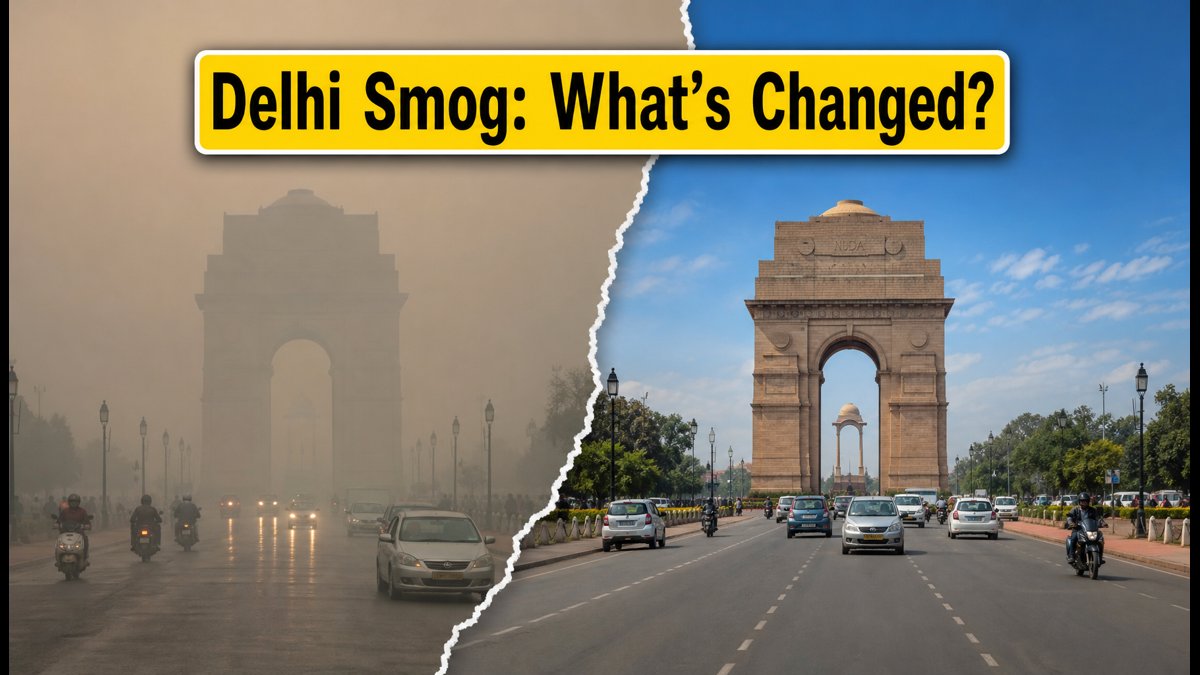
Delhi‑NCR woke to dense smog on Monday, November 2, 2026. The city’s average Air Quality Index was around 307 at 7 am, placing it in very poor. Several stations breached severe, with midday peaks touching 428 in pockets. By early evening, averages hovered near 327, worrying students, parents and commuters.
In response, the air‑quality commission invoked Stage II of the Graded Response Action Plan across NCR this evening. Stage II, triggered at city AQI 301–400, intensifies dust control, vehicle checks and public transport frequency, and urges staggered office timings. Expect advisories, not blanket closures, unless higher stages are invoked.

Delhi‑NCR AQI today and GRAP Stage II
As of 8 pm, no citywide school closure order exists. Directorate of Education directions mandate closures or hybrid classes only when Stage III or Stage IV is invoked. Today’s circulars emphasise mitigation on campus. Exam shifts can be announced only by the conducting body; verify websites and admit cards before travel. Coaching centres should shift mock tests online and share room‑airing protocols with hostels.
What schools and exam candidates should verify now
Expect more metro and bus trips as agencies scale frequency under Stage II. Delhi Metro added weekday trips after Stage I last week, and agencies may step up during peaks. Winter plans also restrict some non‑BS‑VI entries from outside Delhi. Check DMRC and Delhi Traffic Police handles before leaving.
Commute, metro frequency and car‑use curbs under GRAP
Test‑takers should carry a well‑fitting N95 mask, essential inhalers or medicines, and a small water bottle. Use saline nasal rinse after travel. Avoid outdoor revision and high‑intensity exercise today. Start early, add a 30–45 minute buffer for smog delays, and prefer metro over road where possible.
Health checklist for test‑takers in poor air
For real‑time decisions, track CAQM’s orders page for GRAP actions, the Delhi DoE circulars portal for school directions, and district or police handles for local traffic advisories. For planning travel windows, consult the Air Quality Early Warning System and CPCB dashboards before stepping out.
