

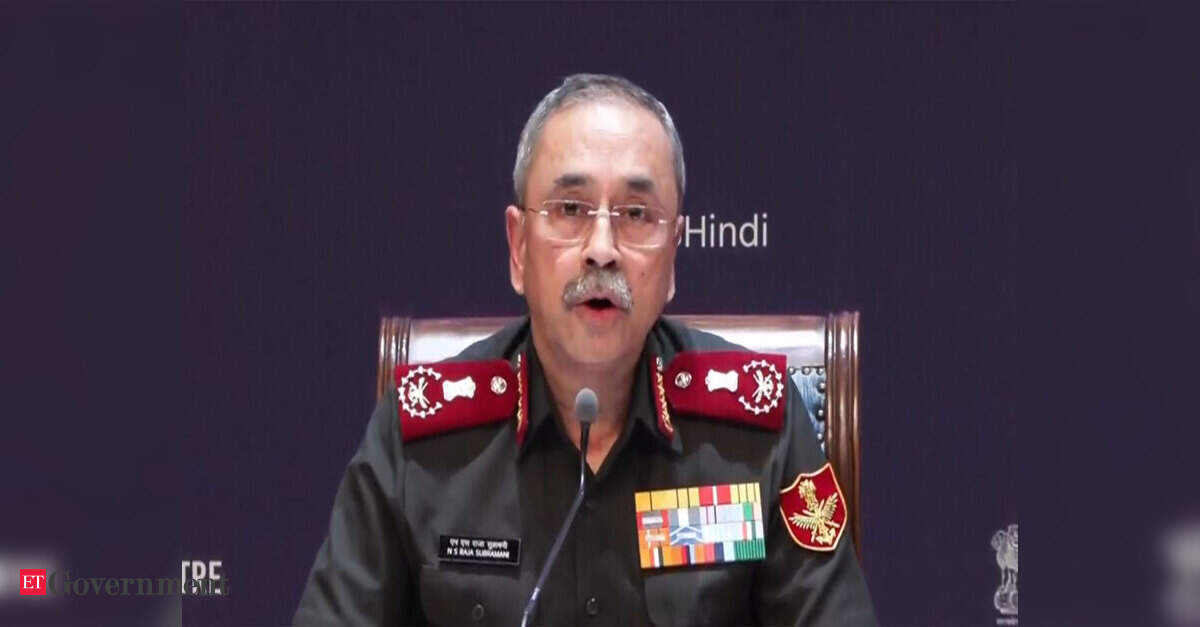
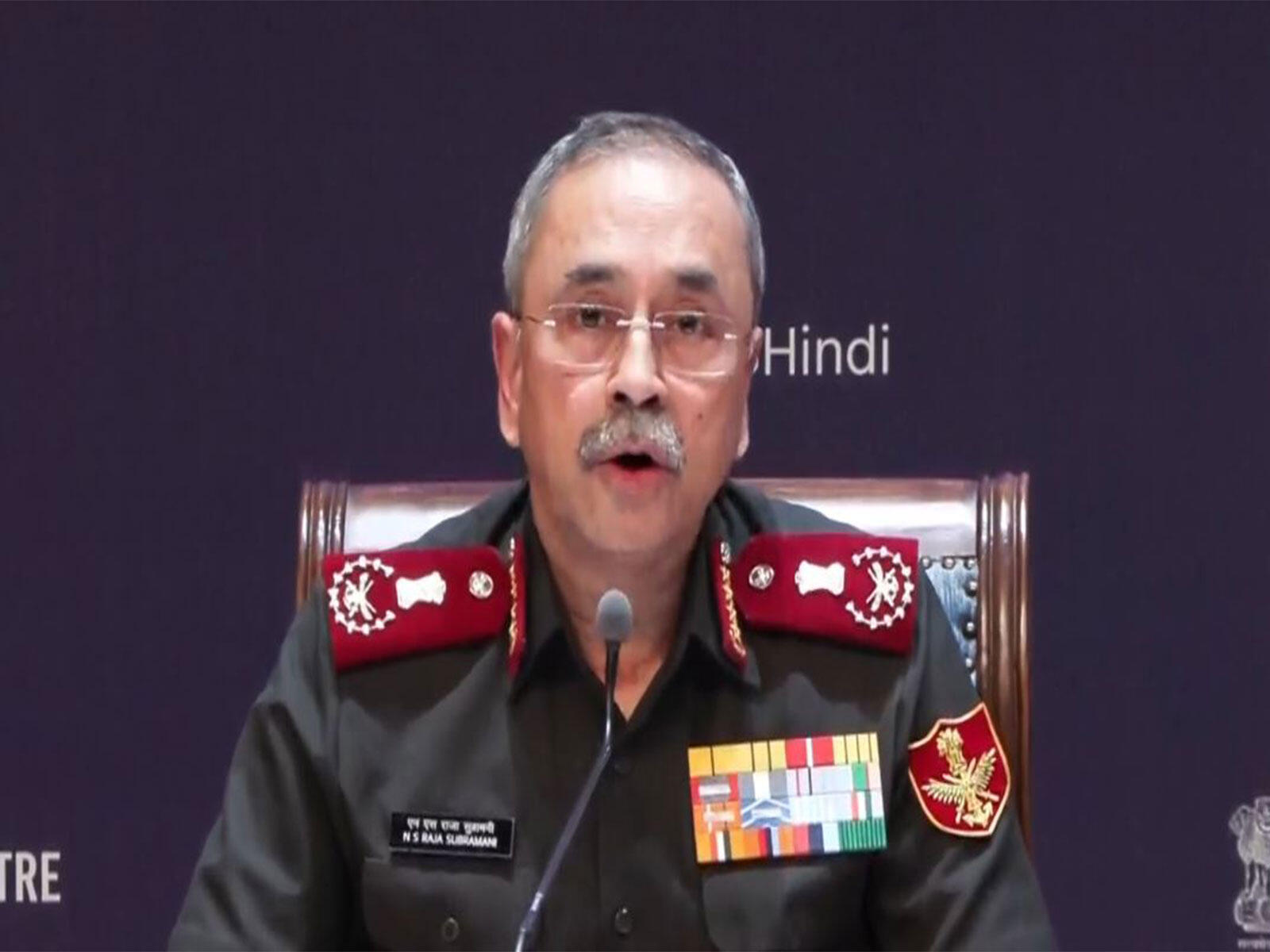
The Agnipath scheme, conceived as one of India’s most ambitious experiments in military manpower reform, has undergone a decisive transformation just as its first generation of recruits approaches the end of its initial four-year engagement.What began in June 2022 as a recruitment model under which three out of every four Agniveers would leave the armed forces after four years has evolved into a framework offering every eligible recruit a pathway to a regular military career. The change is more than an extension of service. It represents a significant recalibration of the government’s approach to military recruitment, retention, operational efficiency and the long-term aspirations of young soldiers.The Union Cabinet’s decision, announced on November 4, 2026, follows a comprehensive assessment of the scheme’s first four years.Chief of Defence Staff General N S Raja Subramani outlined the revised arrangement, under which 25% of Agniveers will continue to enter regular service after four years, while the remaining 75% can undertake an additional two-year engagement. Following this period, they too will be offered regular enrolment, subject to their willingness and meeting the prescribed selection criteria.The original Agnipath scheme was approved by the Union Cabinet on June 14, 2022, against the backdrop of changing military technologies, evolving security threats and the need to modernise India’s armed forces. Its principal objective was to create a younger, physically fitter and technologically adaptable fighting force while introducing a fundamentally different structure for recruiting personnel below officer rank.Under the original framework, candidates aged 17-and-a-half to 21 years were recruited for four years. Up to 25% of each batch could subsequently enter the regular cadre, based on merit and organisational requirements. The remaining recruits would return to civilian life with military training, professional skills and a tax-free Seva Nidhi package, originally estimated at approximately ₹11.71 lakh. The government projected that the scheme would reduce the average age profile of the armed forces by approximately four to five years.The underlying philosophy combined military modernisation with the creation of a reservoir of disciplined and skilled young citizens. It also offered the prospect of moderating long-term personnel expenditure, although fiscal savings were not the only consideration behind the reform.Yet the original structure generated substantial controversy. Critics questioned whether four years provided sufficient time to develop experienced soldiers, strengthen unit cohesion and recover the investment made in specialised military training. Concerns also emerged about the employment prospects of the 75% who would leave service without the pension and long-term career security associated with regular military employment.These questions became particularly important as the first Agniveer batches approached completion of their initial tenure. The government’s latest decision addresses the central concern over compulsory exit while retaining the competitive selection mechanism that formed part of the original scheme.The Ministry of Defence described the revision as the outcome of a “deliberate, reasoned and elaborate evaluation and feedback”, intended to align the aspirations of Agniveers with organisational efficiency. Its assessment reported strong performance in physical fitness, discipline, technological adaptability and motivation, alongside broader geographical recruitment and opportunities for women.The CDS’s announcement also covered changes beyond service tenure. General Subramani said the written examination would precede the physical test in the recruitment process. He also highlighted skill certification recognising military training and experience. These measures are intended to strengthen recruitment standards and the professional credentials of Agniveers.Importantly, the revised framework removes the numerical ceiling on eventual regular enrolment for those completing the additional two years. Defence officials have clarified that the second group will receive seniority protection, placing them immediately after their own batchmates who entered regular service earlier, rather than below recruits from subsequent batches. The extended engagement will also carry higher remuneration and an enhanced Seva Nidhi package.The operational implications are considerable. Retaining trained personnel for longer allows the armed forces to benefit more fully from investments in training and reduces the frequency of replacing experienced soldiers. For technically demanding roles, particularly those involving sophisticated weapons, communications and surveillance systems, greater continuity could improve institutional proficiency.However, the revised policy also changes the financial and demographic assumptions underlying Agnipath. If substantially more recruits enter long-term service, the government will need to reassess personnel expenditure, promotion structures, future recruitment volumes and the objective of maintaining a younger force. The balance between operational experience and manpower renewal will become increasingly important.The government’s decision therefore represents neither the abandonment of Agnipath nor an uncomplicated endorsement of its original design. It preserves the recruitment framework while fundamentally revising its most contentious feature. The first four years have demonstrated the government’s willingness to undertake major military reform; the latest changes demonstrate the necessity of adapting that reform to operational experience.Ultimately, Agnipath’s success will be judged not by the number of recruits entering service or the duration of their engagement, but by whether the revised system produces a more capable, motivated and technologically proficient fighting force. The challenge now is to translate a promising recruitment reform into a sustainable military personnel policy.
