As India prepares to host the second WHO Global Summit on Traditional Medicine from 17 to 19 December 2025, the Ministry of Ayush is working closely with the World Health Organization to shape a global agenda centred on evidence, innovation and planetary well-being.
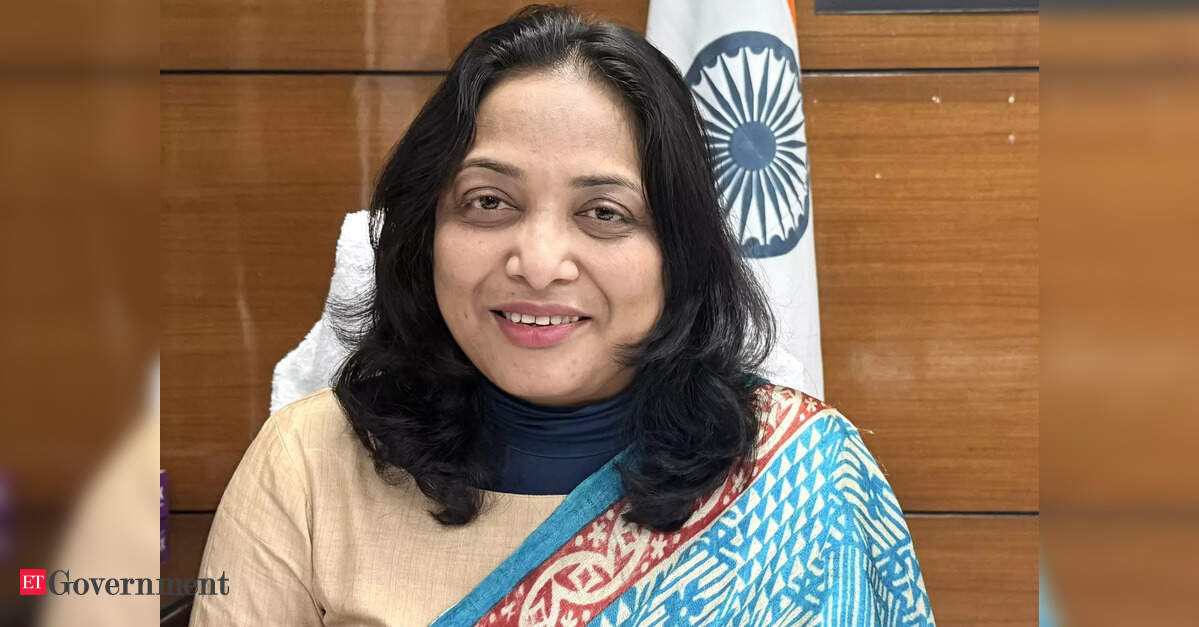
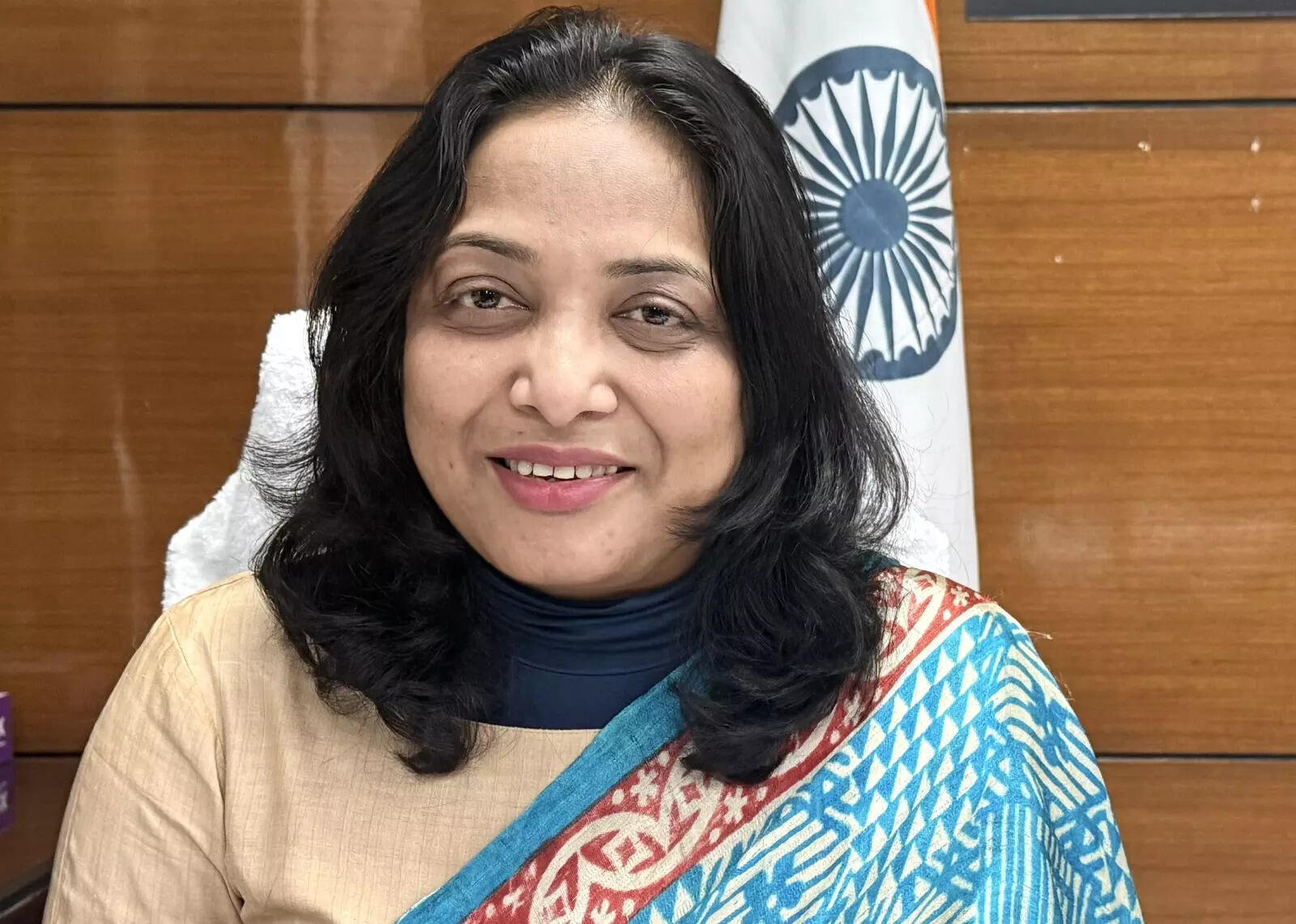
In this context, Anoop Verma spoke with Monalisa Dash, Joint Secretary, Ministry of Ayush, to understand the Government of India’s priorities for the summit, its alignment with the WHO Traditional Medicine Strategy 2025–2034, and the broader vision for integrating traditional medicine into global health systems.
The conversation explores the scientific, regulatory, technological and diplomatic dimensions of the evolving traditional medicine ecosystem and India’s leadership in this space.
Edited Excerpts:
What is the main objective of the second WHO Global Summit on Traditional Medicine, and how does it differ from the first summit?
The first summit held in Ahmedabad in 2023 was the starting point—an unprecedented global gathering focused on bringing traditional medicine into the mainstream global health discourse. Its emphasis was on creating an evidence-based, scientifically grounded understanding of traditional medicine systems. The world today demands validated information: Are these systems safe? Are they effective? The 2023 summit laid the foundation for generating that scientific evidence.
Two years later, the second summit moves to a different level. There has been substantial work—research initiatives by WHO, collaborative studies with India, and national efforts across countries. This time, the focus expands to integrating modern technologies, including artificial intelligence, digital health tools, and frontier innovations, while also emphasising the holistic philosophy that traditional medicine represents. The theme—“Restoring Balance: The Science and Practice of Health and Well-being”—captures this evolution, extending the lens beyond disease management to include body, mind, society, environment, biodiversity, and planetary well-being.How will this summit support the implementation of the WHO Traditional Medicine Strategy 2025–2034?
India played a major role in shaping the Strategy by providing technical expertise and policy inputs. Now, the Strategy’s framework will guide India’s own efforts in evidence generation, safety protocols, regulatory mechanisms, digital health deployment, international partnerships, and cross-sector collaboration. The summit is designed to accelerate these elements globally, ensuring that traditional, complementary, and integrative medicine (TCIM) is safe, evidence-based, and equitably integrated into health systems.
What key topics will be discussed at the summit?
The summit will feature five plenary sessions and around 16–17 parallel sessions. Each session will focus on a distinct thematic area. Topics include scientific validation of traditional medicine, biodiversity and sustainability, regulation, digital technologies, knowledge exchange with Indigenous communities, intellectual property rights, and the role of AI in traditional medicine innovation.
Countries at varying stages of traditional medicine development—from those with deep-rooted systems to those just beginning—will participate, ensuring mutual learning. Traditional healers from multiple nations will also join the knowledge-exchange platforms. All discussions ultimately converge on the summit’s central goal: restoring balance across human and planetary health.
The summit focuses on strengthening evidence-based TCIM. What steps is India taking to create robust, internationally acceptable clinical and scientific evidence?
India is expanding multi-centre clinical research, strengthening pharmacovigilance, and upgrading the standards of laboratories, hospitals and drug quality. Collaborative work with WHO has already produced globally accepted nomenclature and classification systems such as the ICD-11 coding for Ayurveda and Siddha. Standardised treatment procedures, hospital benchmarks, and research protocols—developed with WHO support—are now in place. These advancements allow India to generate scientific evidence that is credible, comparable, and internationally recognisable.
India and WHO are collaborating through the WHO Global Traditional Medicine Centre in Jamnagar. What is its mandate and how will it shape global research?
The WHO Global Traditional Medicine Centre (GTMC) is envisioned as a global hub for evidence, research standards, data analytics, sustainability, innovation, and policy support in the traditional medicine sector. Its core purpose is to reorganise the global research ecosystem by consolidating knowledge from all countries and fostering international research collaborations. As the lead investor, India has committed financial and infrastructural support—including land and operational funding—for the Centre. GTMC strengthens India’s global leadership in the field by offering a platform to showcase and advance its traditional medicine strengths.
Which countries and stakeholders are expected to participate?
All 194 WHO Member States have been invited, making this the only truly global summit dedicated to traditional medicine. Participation will include government leaders, scientists, researchers, practitioners, and civil society organisations. The summit is jointly organised by WHO and the Ministry of Ayush, reflecting India’s central role in shaping global traditional medicine discourse.
From India’s perspective, what outcomes are expected—whether economic or medical?
Several outcomes are anticipated. First, wider acceptance of Indian traditional medicine systems abroad will allow people in other countries to benefit from these systems. Mutual recognition arrangements could enable traditional medicine practitioners to practise across borders, creating employment opportunities. Second, the traditional medicine industry will gain a strong economic boost—the sector is already growing at more than 8 percent annually. Greater global acceptance will stimulate trade, manufacturing, international collaborations, and therapeutic tourism.
One of the big announcements is the launch of the WHO Traditional Medicine Global Library. How will it transform global research?
This initiative originates from a call made by India during its G20 Presidency to consolidate traditional medicine knowledge from across the world. Developed jointly by India, Brazil, and WHO, the Global Library will be inaugurated at the summit. It already hosts more than 1.5 million authentic scientific publications and resources related to traditional medicine, with many available through open access. Some countries requiring special assistance will receive free access. The library will dramatically accelerate research by offering a consolidated, validated knowledge base in a single digital repository.
Will India integrate Ayush Grid with the WHO Traditional Medicine Global Library?
Ayush Grid already serves as India’s digital backbone for traditional medicine, providing a comprehensive repository of information. Its datasets and digital resources will eventually be part of the larger WHO Global Library. They are not separate systems—they are complementary streams of knowledge feeding into a unified global pool. This ensures inclusive access, policy support, and efficient information exchange.
Historically, WHO and global healthcare frameworks have been influenced by Western biomedical systems. Are there challenges in aligning traditional medicine with these frameworks?
WHO has already recognised the legitimacy and value of traditional medicine, demonstrated by the establishment of GTMC and its active involvement in shaping global strategy. There is no resistance from WHO. More broadly, public sentiment worldwide is shifting—people want fewer chemicals, more natural therapies, and holistic lifestyles. Traditional medicine aligns naturally with these expectations and offers sustainable, plant-based, and holistic solutions. This creates a strong opportunity for coexistence and collaboration between biomedical and traditional medicine systems.
How is India strengthening regulation, safety standards, and accreditation across Ayurveda, Yoga, Unani, Siddha, Sowa-Rigpa, Homoeopathy and Naturopathy?
India has created robust quality standards for medicines, hospitals, and laboratories. The country is also promoting the e-Ayush Visa system, which facilitates global access to high-quality wellness and therapeutic care in India. Earlier, patients would arrive on tourist visas with short validity. The e-Ayush Visa allows stays of six months to two years, ensuring smoother medical travel. Only accredited hospitals and therapy centres meeting government standards are empanelled. This creates a reliable ecosystem for both domestic and international patients seeking safe traditional medicine treatment.
Finally, what would you consider the key indicator of a successful summit?
The most important indicator will be the scale and depth of commitments made by participating countries—commitments to evidence generation, regulation, knowledge exchange, sustainability, and integration of traditional medicine systems. Strong participation, actionable pledges, and concrete timelines by nations would reflect genuine global momentum. If countries articulate and adopt clear commitments, the summit can be considered truly successful.