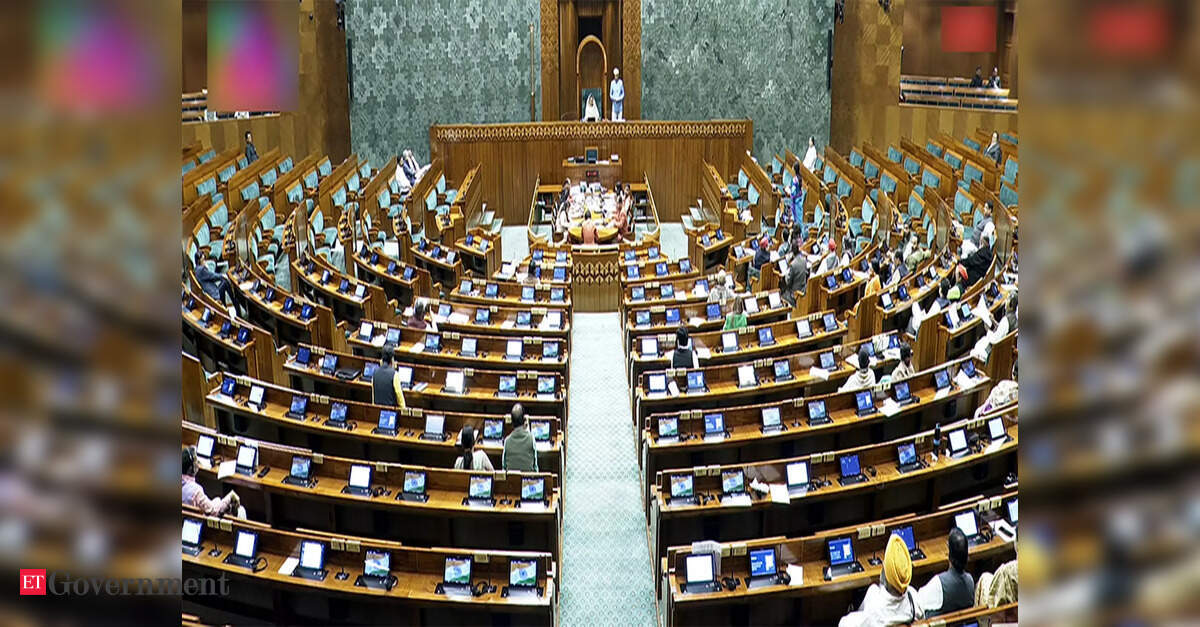
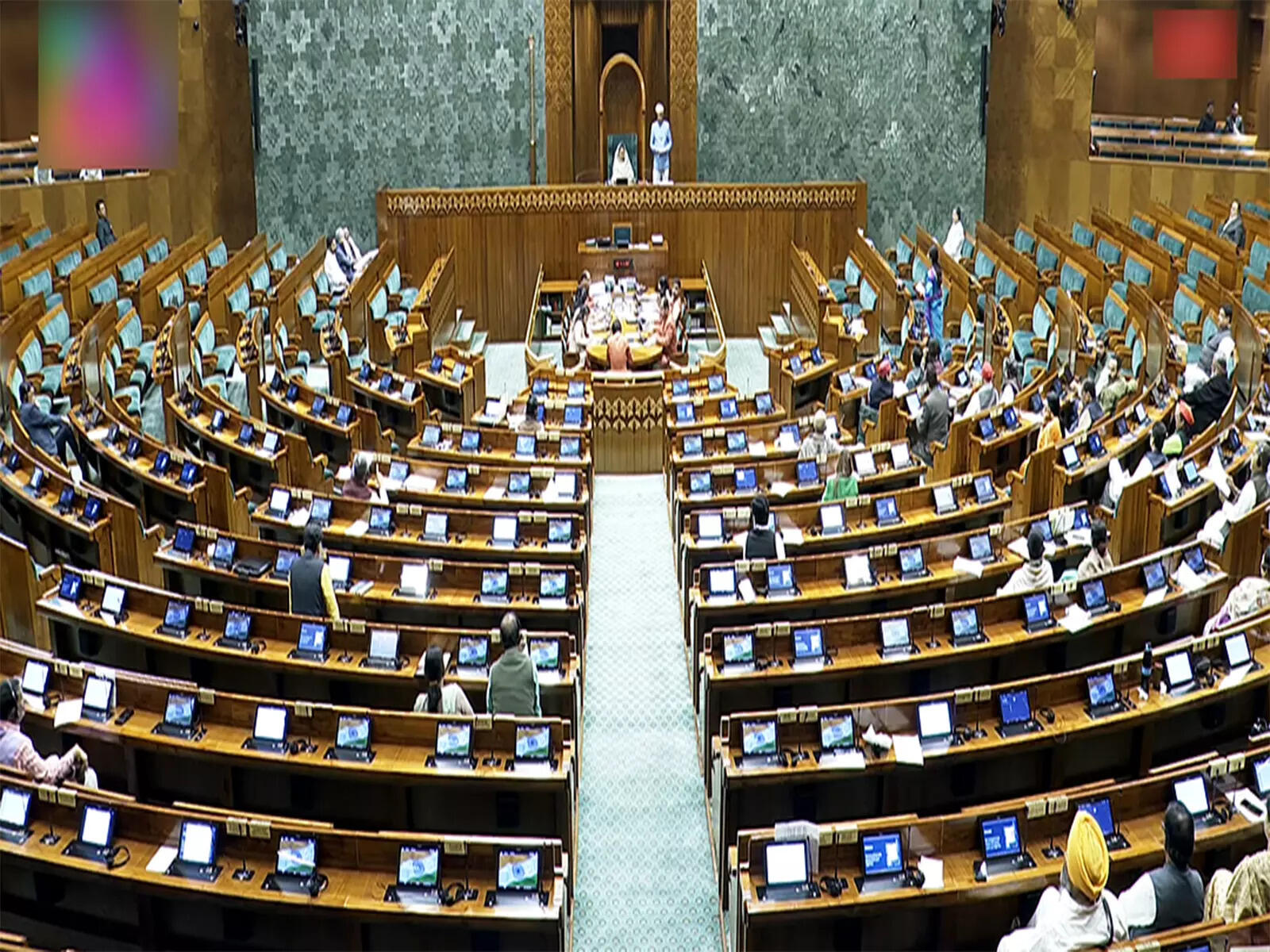
Viksit Bharat Guarantee for Rozgar and Ajeevika Mission (Gramin) or G RAM G Bill 2025 was passed in Lok Sabha amid opposition uproar over its provision.
Lok Sabha was adjourned for the day soon after its passage in the lower house. The G RAM G Bill seeks to replace MGNREGA, which has been in force since 2005 and guarantees 100 days of unskilled wage employment to rural households.
According to the government, the proposed legislation aims to expand the scope of rural employment while aligning wage work with infrastructure creation, natural resource management and livelihood generation.
Tabling the Bill on Wednesday, Rural Development Minister Shivraj Singh Chouhan said the new framework would retain the legal guarantee of employment while increasing the number of workdays available to eligible households. The Bill outlines provisions for demand-driven employment, time-bound work allocation and wage payments through direct benefit transfer mechanisms.
During the debate, members from the Opposition raised objections to the repeal of MGNREGA and the renaming of the scheme. Several MPs moved amendments seeking the retention of the existing Act and its nomenclature, arguing that the current law provides a well-defined rights-based structure.
Concerns were also flagged regarding the proposed funding architecture and the role of states in implementation.
Replacing the two-decade-old MGNREGA
MGNREGA, enacted in 2005, currently provides a statutory guarantee of 100 days of unskilled manual work to rural households, along with provisions for unemployment allowance if work is not provided within a stipulated period. The proposed Bill marks the first attempt to repeal and replace the Act since its introduction.
According to the Statement of Objects and Reasons, the new legislation aims to align rural wage employment with asset creation, natural resource management and livelihood-related activities.
The G RAM G Bill provides for demand-driven employment, time-bound allocation of work and wage payments through direct benefit transfer. It also allows for a wider range of permissible works and provides flexibility to states in designing and implementing projects under the framework.
Under this centrally sponsored scheme, the financial liability would be shared between the Centre and the state governments. It would be 90:10 for the Northeastern states and Himalayan states and 60:40 for all other states and Union territories with legislature. For the UTs without legislature, the whole cost would be borne by the Centre. The MGNREGS was a 100 per cent centrally sponsored scheme.
While MGNREGS was a demand-driven scheme with the Union government bound to allocate more money if demand for work was there, under the proposed scheme, Centre would determine state-wise normative allocation for each financial year. Any expenditure incurred by a state in excess would be borne by the state government. The wage rate would be specified by the Central government through a notification. The Bill says it should not be less than the prevailing wage rates under the MGNREGS.
“Congress killed ideals of Bapu, NDA ensured Bapu lives through pucca houses built under the PM Awas Yojana, Ujjwala yojana, Swachh Bharat Mission, Ayushman Bharat,” Rural Development Minister Shivraj Singh Chouhan said listing out government schemes for welfare of the poor.
Opposition members trooped to the well of the House raising slogans against the government from dropping Mahatma Gandhi’s name from the rural jobs initiative and tearing copies of the G RAM G Bill and flinging it towards the chair.
The speaker adjourned the Lok Sabha for the day after the bill was passed.