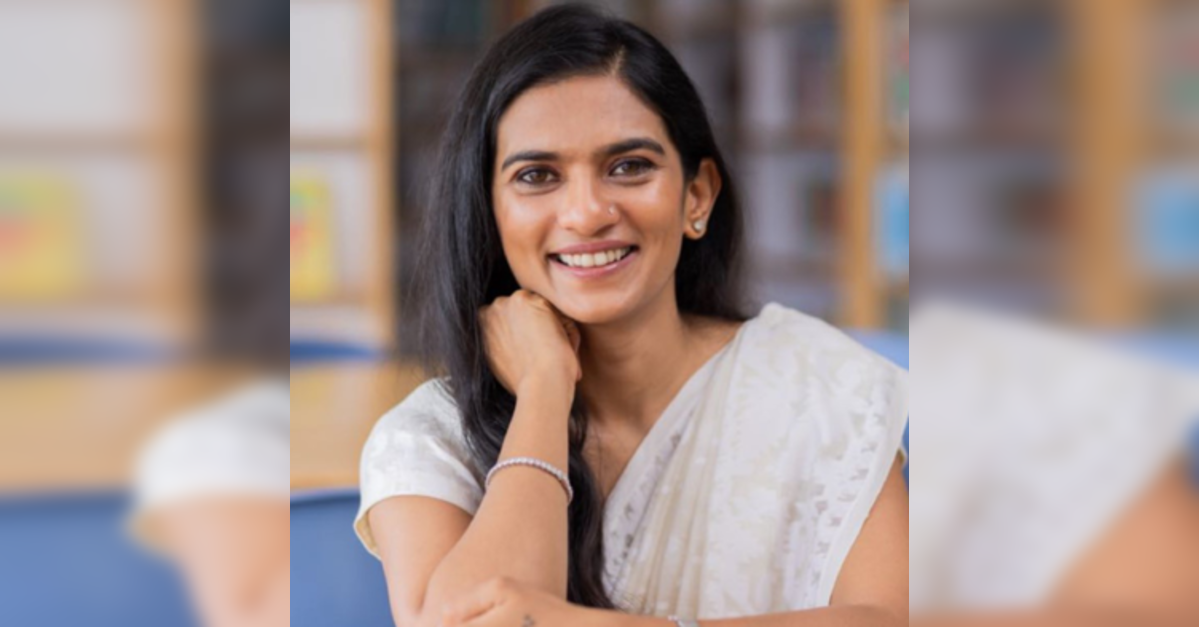
By Dr Tristha Ramamurthy
India’s education system has traditionally prioritized boards and examinations. For years, parents chose schools based on board performance, secure academic streams, and exam results.
This traditional framework no longer adequately reflects the decisions parents currently face. The purpose and promise of education are now subject to greater scrutiny, and school choice is being redefined by emerging priorities.
In cities like Bangalore, parents are making school choices in a changing context. This significant, though uneven, shift is driven by policy reforms, evolving careers, and a deeper focus on educational outcomes.
At the policy level, the transformation is evident. The National Education Policy 2020 has introduced reforms that were previously considered unattainable. It advocates for multidisciplinary learning, flexible subject selection, and a deliberate departure from rigid academic divisions.
Boards have begun to reflect this intent through reforms that reduce the pressure of single high-stakes exams and introduce more choice and flexibility in assessment. The message is clear. Exams still matter, but they are no longer meant to define a child’s entire academic identity. This policy environment has created room for schools to innovate and for parents to question long-held assumptions about what a “good” education looks like.
The impact of this shift is most visible among parents of younger children. Families with children in pre-primary and primary years are far more experimental than previous generations. In Bangalore, especially, alternative school models are no longer seen as risky detours.
Nature-based learning, Montessori-inspired environments, project-based schools, and hybrid models are now mainstream options. Homeschooling and micro-schooling are also growing, motivated by a desire for personalized learning and flexibility.
For many parents, the early years are no longer about academic acceleration. They are about curiosity, emotional security, language, social confidence, and a genuine love for learning. At this stage, boards feel distant, and in many cases, intentionally so.
This rethinking of school education is also being shaped by what lies beyond it. Undergraduate education has expanded dramatically. Design, liberal arts, environmental studies, data science, entrepreneurship, and interdisciplinary programmes are now credible pathways. Universities are increasingly looking for more than marks.
As a result, parents are asking whether a school will allow their child to explore interests, take intellectual risks, and build depth over time. Board choice, once a default decision, is now being evaluated through this lens.
Yet with more options has come more confusion. Parents today are surrounded by advice, much of it contradictory. Conversations are shaped by personal experiences, peer networks, coaching narratives, and social media impressions. Schools are evaluated on perception rather than practice.
Fear plays a quiet but powerful role, particularly around transition points such as Class 8, 9, or 11. Many families worry about making an irreversible mistake, even though the system itself is becoming more flexible.
Parents are increasingly prioritizing skills over content, experience over achievement, and confidence over compliance. They want schools where children learn how to think, not just what to remember. Where learning connects to the real world and values are embedded in daily practice.
Choosing a school has never been easy. But today, it is no longer a purely academic or transactional decision. Parents are viewing schools as spaces of alignment, with their beliefs about childhood, success, well-being, and the future their children will inherit.
In that sense, the conversation around boards and admissions is no longer just about outcomes but recognising schools that build strong, capable learners.
Dr Tristha Ramamurthy is the Founder Ekya schools and Provost CMR University.
DISCLAIMER: The views expressed are solely of the author and ETEDUCATION does not necessarily subscribe to it. ETEDUCATION will not be responsible for any damage caused to any person or organisation directly or indirectly.