

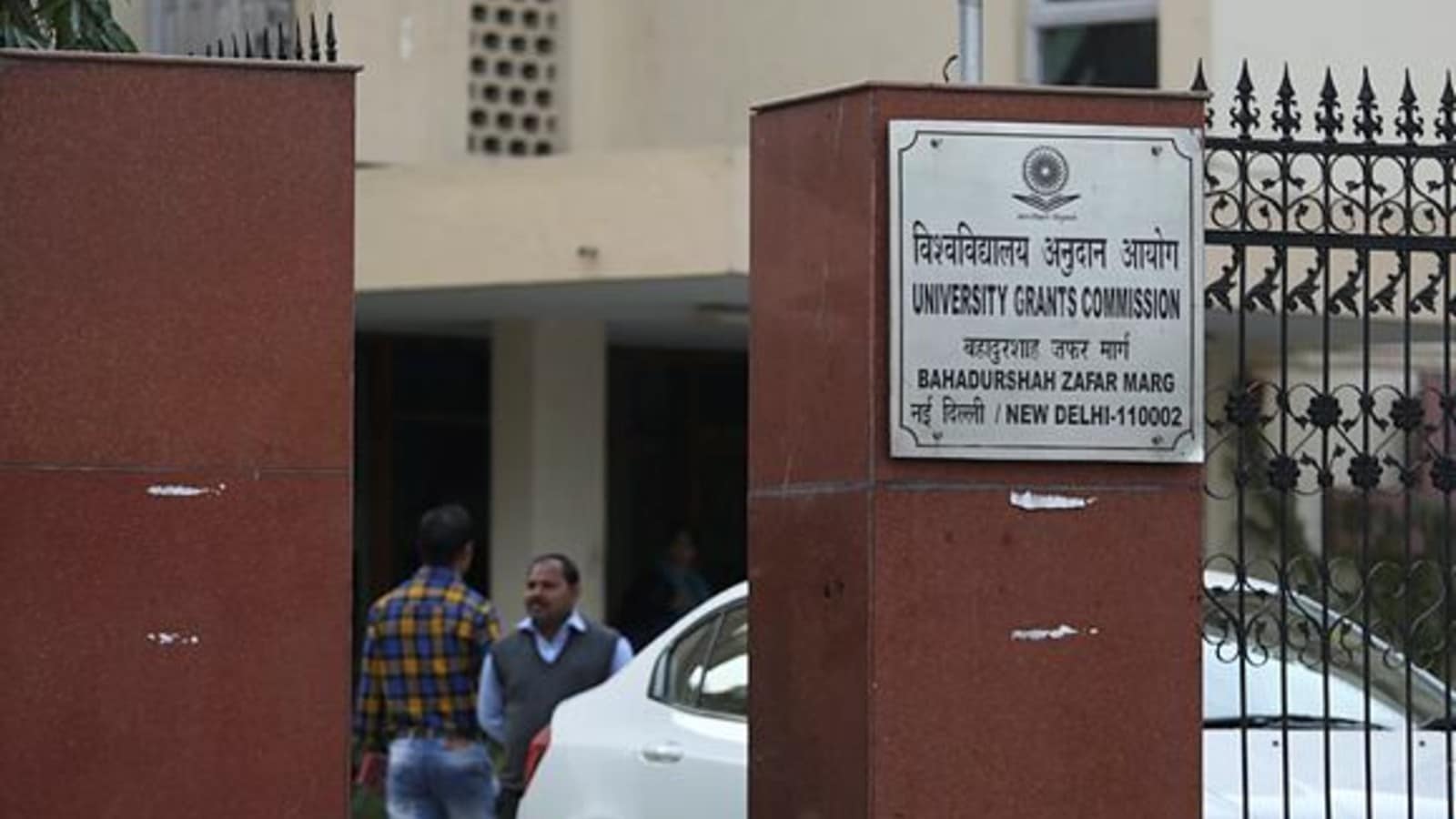
A PLEA before the Supreme Court has challenged the constitutional validity of the University Grants Commission (Promotion of Equity in Higher Education Institutions) Regulations, 2026 claiming it “legitimises reverse discrimination” and amounts to “state-sponsored discrimination” by “refusing to acknowledge the possibility that persons belonging to general or upper castes too may be victims of caste-based discrimination”.
The writ petition by Advocate Vineet Jindal said the regulations notified on January 13, 2026 “adopts an exclusionary, asymmetric and caste-specific definition of caste-based discrimination”, thereby denying equal protection of law to a substantial section of citizens solely on the basis of caste.

He contended that the definition of caste-based discrimination in Regulation 3(c) has a “chilling effect on free academic discourse protected under Article 19(1)(a)” and that “in the absence of neutral, caste-agnostic safeguards, allegations of caste discrimination may be weaponised, while genuine grievances of others remain unheard, fostering fear, reputational harm and self-censorship among students and faculty alike”.
Regulation 3(c) says caste-based discrimination means discrimination only on the basis of caste or tribe against the members of SCs, STs, and OBCs.
Read | Explained: UGC’s new regulations to deal with caste-based discrimination and the opposition to them
Jindal argued that the provision “suffers from a constitutional infirmity akin to the presumption underlying the colonial-era Criminal Tribes Act, 1871, which designated certain communities as inherently criminal and was later repealed as violative of equality and constitutional morality”.
“By presupposing that only certain castes can be victims… the impugned regulations revive a similar presumption of collective guilt and collective immunity, alien to the egalitarian ethos of the Constitution,” he said.
Story continues below this ad
He said Regulation 3(c) “by design and operation…accords legal recognition of victimhood exclusively to certain reserved categories and categorically excludes persons belonging to general or upper castes from its protective ambit, regardless of the nature, gravity, or context of discrimination suffered by them”.
It stated that Regulation 3(c) “proceeds on an untenable presumption that caste-based discrimination can operate only in one direction, thereby foreclosing, as a matter of law, the possibility that persons belonging to general or upper castes may also be subjected to caste-based hostility, abuse, intimidation, or institutional prejudice. This presumption not only ignores the evolving social realities but also undermines the broader objective of the regulations themselves…”
