The India AI Impact Summit 2026 marked one of the most expansive global convenings on Artificial Intelligence in recent years.
With participation from 22 Heads of State and Government, representation from 118 countries and 20 international organisations, over 500 CEOs and CTOs, and more than six lakh visitors, the Summit transformed Bharat Mandapam and multiple venues across the city into a dense platform for policy dialogue, technology demonstration, and international collaboration.
At the core of this ecosystem was the India AI Impact Expo, managed by the Software Technology Parks of India (STPI) under the Ministry of Electronics and Information Technology. Bringing together over 850 companies, including around 200 corporates and 600 startups, the Expo was structured as a multi-layered showcase of India’s AI capabilities—spanning infrastructure, foundation models, enterprise solutions, startups, and country pavilions.
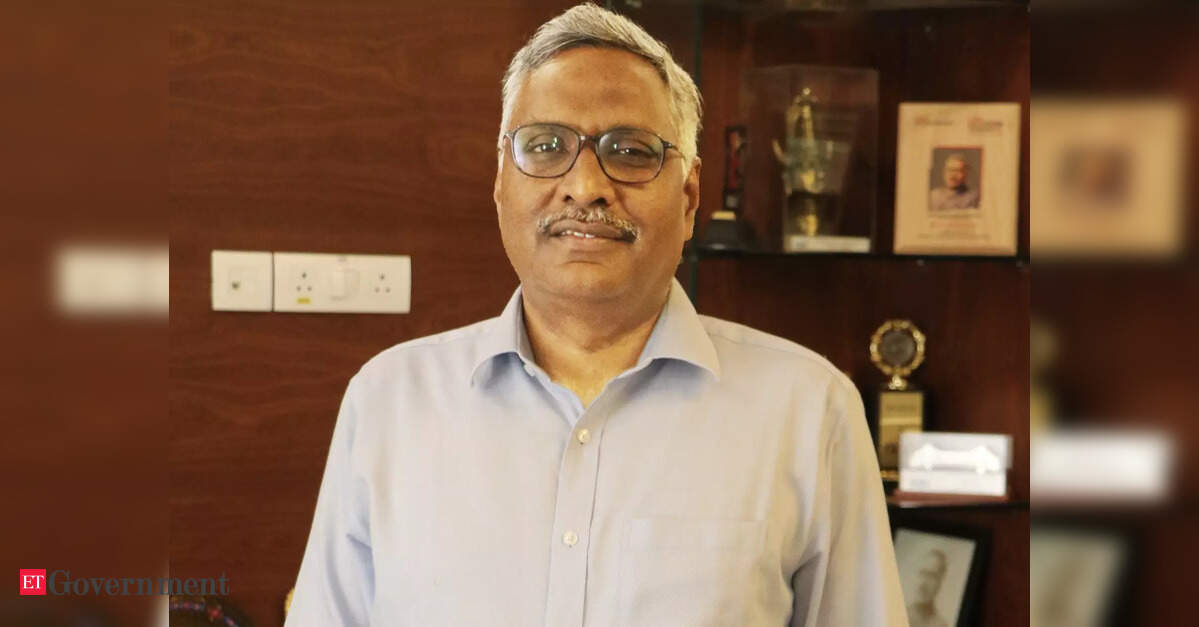
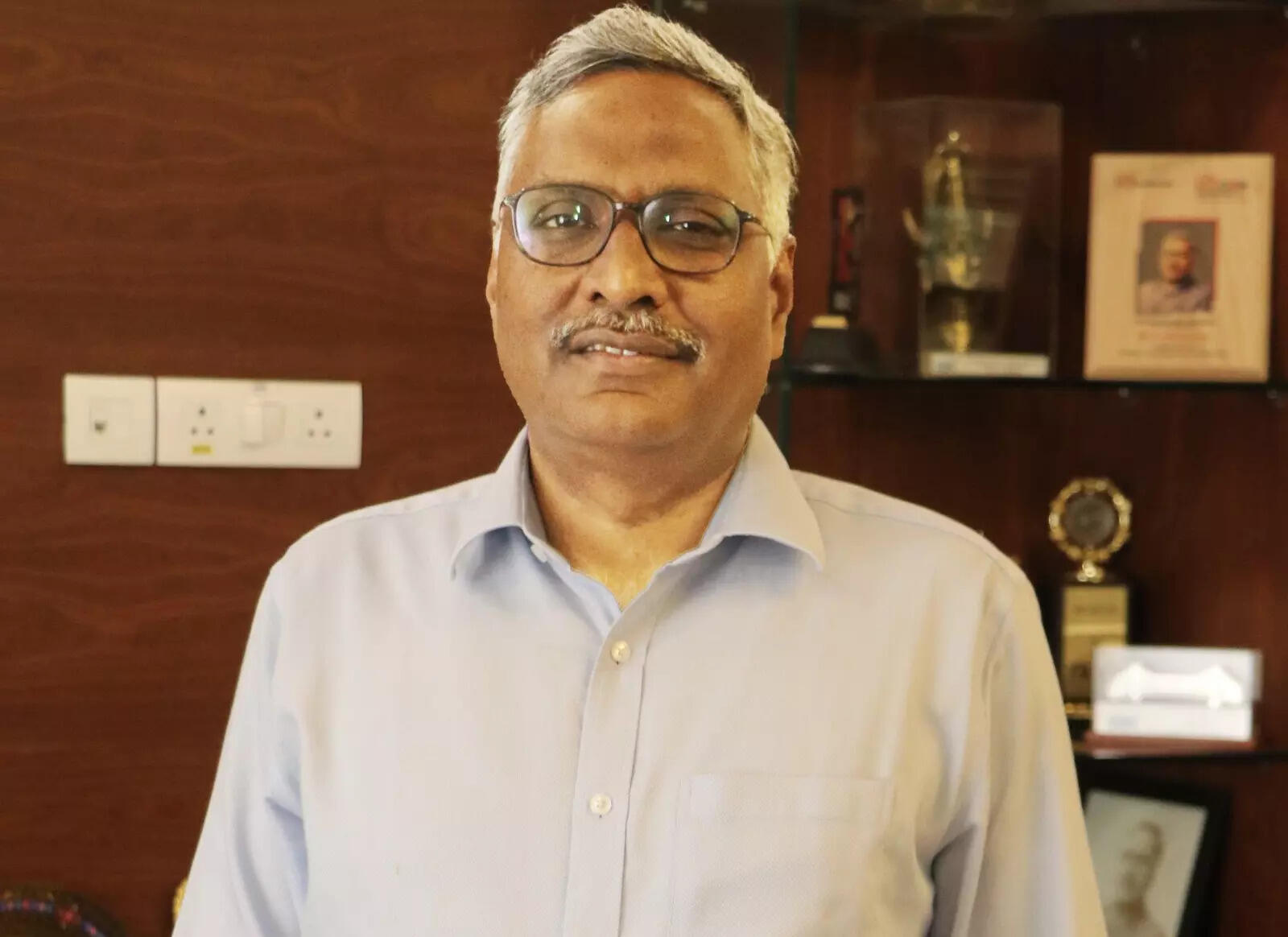
In this conversation with Anoop Verma, Arvind Kumar, Director General, STPI, outlines how the Expo was conceptualised, the scale and complexity of its execution, and what the experience reveals about India’s evolving AI ecosystem and its growing engagement with global technology partners.
Edited excerpts:
When did STPI begin conceptualising the India AI Impact Expo 2026, and what was the strategic thinking behind its early planning?
The conceptualisation began nearly nine months before the Summit. From the outset, we were clear that this would not be another technology exhibition. It had to be a global systems-level platform. In preparation, more than 550 pre-summit events were conducted across over 30 countries. These engagements helped shape the thematic architecture, curate global participation, and ensure that the Expo reflected diverse technological and policy priorities. We modelled the broader Summit as an inclusive and global forum, with the main convergence at Bharat Mandapam and parallel events across the city, thereby creating a distributed yet integrated innovation dialogue.
In what ways did the India AI Impact Expo 2026 depart from the conventional model of technology exhibitions?
Traditional exhibitions focus on product display. This Expo functioned as an ecosystem platform. It integrated policy dialogue, commercial announcements, diplomatic engagement, startup showcasing, and large-scale public participation. More than 580 sessions were held at Bharat Mandapam and another 150 across the city, curated from over 700 global proposals received through an open call. The Expo was designed to demonstrate how AI can be deployed at scale across governance, industry, and society. It moved from static display to dynamic demonstration.Could you give us a sense of the scale of participation—both in terms of physical footprint and industry representation?
The scale was unprecedented. More than 850 companies participated in the Expo, around 200 corporates and 600 startups. Visitor footfall exceeded six lakh. At the broader Summit level, 118 countries and 20 international organisations were represented. We had 22 Heads of State or Government and over 500 CEOs and CTOs, including leadership from the top global AI firms. In terms of ecosystem density, this was arguably one of the largest AI convenings globally.
What were the principal operational and strategic challenges in executing an event of this magnitude?
The primary challenge was orchestration at scale. We were coordinating across governments, industry leaders, startups, multilateral bodies, and investors. Ensuring coherence across hundreds of sessions while managing high-density visitor flows required precision planning. Another challenge was maintaining thematic integrity. With over 700 proposals received globally, we had to curate sessions that were forward-looking, responsible, and aligned with national priorities. Managing this complexity while ensuring security, sustainability, and seamless execution was a major institutional exercise.
The Expo was structured into multiple arenas. What was the rationale behind this zonal design?
We structured the Expo into dedicated arenas to reflect the AI value chain and stakeholder diversity. There was a Global Arena with country pavilions, a Governance Arena featuring ministerial and state participation, an Innovation Arena for startups and research institutions, a Convergence Arena, and an Impact Arena for medium and large technology entities. This design allowed policymakers, investors, corporates, startups, and international delegations to interact in a structured yet fluid environment. It ensured that innovation, infrastructure, regulation, and deployment were discussed in proximity rather than isolation.
How did corporate participation strengthen the AI ecosystem showcased at the Expo?
Corporate participation was critical in demonstrating infrastructure maturity. Large enterprises showcased foundational models, compute infrastructure, semiconductor ecosystems, enterprise AI integration frameworks, and applied sectoral deployments. Their presence signalled investment depth and commercial readiness. Importantly, corporations engaged directly with startups, enabling cross-layer collaboration across the AI stack—from compute and data to applications and services. This interaction reinforced the idea that sustainable AI growth requires ecosystem convergence.
International participation was notably high. How did country pavilions and global delegations shape the character of the Expo?
The presence of 118 countries and 20 international organisations, as well as 13 country pavilions, transformed the Expo into a diplomatic technology platform. Country pavilions shared national AI strategies, regulatory approaches, and sectoral innovations. This created a live comparative dialogue on governance frameworks, ethics, and infrastructure. The Expo thus became a bridge between innovation ecosystems and international policy discourse. It reflected a multipolar AI world where collaboration and competition coexist.
How did the Expo integrate knowledge exchange with live technology demonstration?
The co-location of exhibition spaces and high-level sessions was intentional. As over 580 sessions unfolded at the main venue and 150 across the city, delegates could move from policy dialogue to product demonstration in real time. Breakthrough launches—from indigenous foundation models to autonomous robotics systems—were not isolated announcements; they were contextualised within policy conversations. This immediate translation of discourse into demonstration accelerated understanding and adoption.
From a policy perspective, what lessons does the India AI Impact Expo 2026 offer for global AI development?
There are several lessons. First, ecosystem density matters—bringing startups, corporates, governments, and investors together accelerates diffusion of innovation. Second, infrastructure and application must co-evolve; sovereign compute capacity, data frameworks, and deployment platforms are as important as algorithms. Third, inclusive participation strengthens legitimacy; public engagement at the scale we witnessed—over six lakh visitors—indicates that AI must be demystified and made participatory. Finally, multipolar collaboration is the future of AI governance. No single geography can define the global AI trajectory.
What kind of feedback has STPI received from exhibitors and participants?
The feedback has been overwhelmingly positive. Exhibitors appreciated the depth of engagement rather than mere footfall. Startups valued direct interaction with investors and policymakers. Corporates recognised the Expo as a credible launch platform for strategic announcements. International delegations described it as one of the most structured and ambitious AI platforms globally. Many participants have already expressed interest in expanding their presence in subsequent editions. For STPI, this reinforces that India is not merely hosting conversations on AI—we are shaping the architecture of its global impact.