When crude oil prices surge, currencies weaken, and geopolitical fault lines widen simultaneously, central bankers face one of their most difficult policy environments. That is the situation confronting the Reserve Bank of India (RBI) today.
At its June 5, 2026 meeting, the Monetary Policy Committee (MPC) unanimously decided to keep the policy repo rate unchanged at 5.25 per cent and retained its “neutral” stance. Yet the decision was far more significant than a routine status quo. Behind the unchanged rate lies a clear acknowledgement that India’s macroeconomic landscape has become considerably more uncertain in recent weeks.
The RBI raised its inflation forecast, lowered its growth projections, and repeatedly highlighted risks arising from the conflict in West Asia, rising energy prices, exchange-rate pressures, and weather-related uncertainties. The June policy review was, in effect, an exercise in risk management rather than monetary activism.
A Changed Global Environment
Only a few months ago, India’s inflation trajectory appeared comfortably aligned with the RBI’s medium-term target of 4 per cent. Consumer price inflation had eased to 3.48 per cent in April, giving policymakers confidence that price pressures were moderating.
However, the geopolitical environment changed with the escalation of conflict in West Asia and the resulting disruption in energy markets. Crude oil prices climbed, the Indian rupee came under pressure, and concerns emerged regarding supply-chain disruptions through critical maritime routes, including the Strait of Hormuz.
For India, which imports more than 85 per cent of its crude oil requirements, such developments carry immediate macroeconomic consequences. Higher oil prices affect transportation costs, manufacturing costs, and household expenditure. They also worsen the current account balance and place pressure on the rupee.
The impact extends beyond fuel.
India’s agricultural sector remains dependent on imported fertiliser inputs and fertiliser feedstocks such as natural gas. Rising energy prices therefore threaten to increase fertiliser costs, potentially leading either to larger subsidy burdens for the government or higher costs for farmers. In both scenarios, inflationary pressures can spread through the economy.
The RBI has recognised these second-round risks.
Inflation Returns to Centre Stage
The important message from the June MPC was that inflation has once again become the principal concern. The RBI raised its inflation forecast for FY27 to 5.1 per cent from the earlier estimate of 4.6 per cent. At the same time, it reduced its real GDP growth forecast to 6.6 per cent from 6.9 per cent.
This combination—higher inflation and slower growth—creates a difficult challenge for monetary policymakers. Ordinarily, a slowdown in growth would justify lower interest rates to stimulate investment and consumption. But when inflation risks are rising simultaneously, rate cuts become difficult because they could further fuel price pressures.
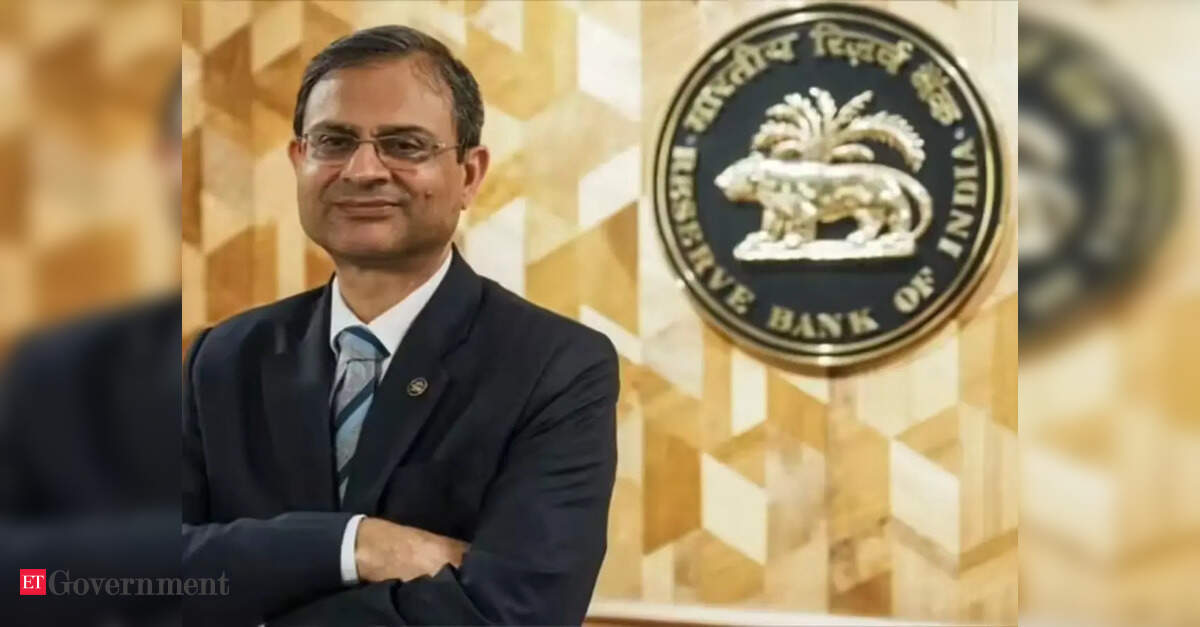
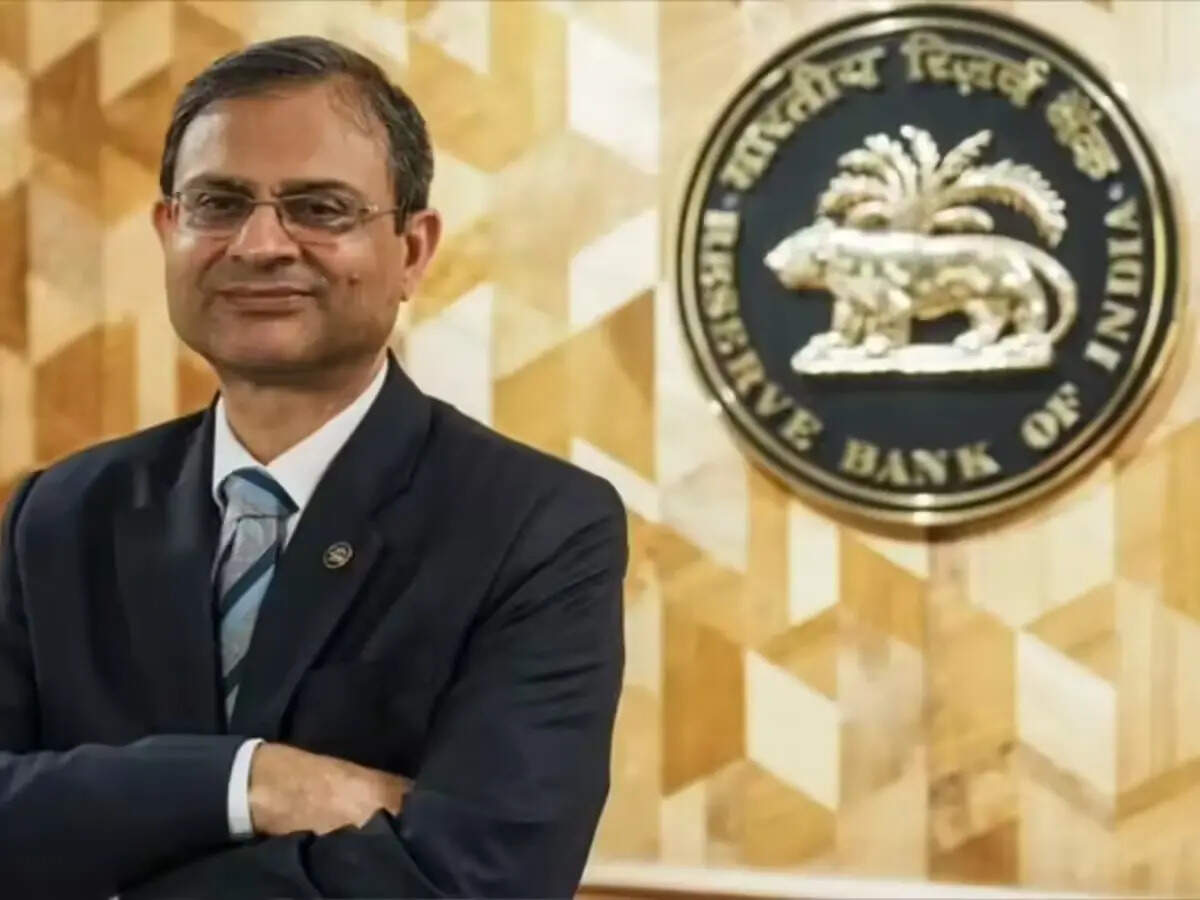
Governor Sanjay Malhotra captured this dilemma during the policy announcement, noting that the global environment remains uncertain and that developments in West Asia have altered the inflation outlook. Multiple reports of the policy statement highlighted the Governor’s emphasis on rising crude prices, currency pressures and geopolitical uncertainties as key reasons for maintaining caution.
The RBI’s message was unmistakable: inflation risks have intensified, and policy flexibility must be preserved.
Why the RBI Did Not Raise Rates
Some market participants had argued that the central bank should respond to rising inflation risks by increasing interest rates immediately. The MPC chose not to do so. There are several reasons behind this decision.
First, the inflation shock confronting India today is primarily a supply-side shock driven by energy prices and geopolitical developments. Raising interest rates cannot produce more oil, reduce shipping costs, or lower fertiliser prices.
Second, domestic demand conditions remain relatively stable. India’s economic fundamentals continue to show resilience through private consumption, investment activity and exports. The RBI appears reluctant to impose additional borrowing costs on households and businesses unless inflationary pressures become more persistent.
Third, policymakers recognise that geopolitical shocks can reverse quickly. A premature tightening cycle could unnecessarily weaken economic momentum if energy markets stabilise.
The decision therefore reflects a strategic pause rather than complacency.
Defending the Rupee Without Raising Rates
One of the more interesting aspects of the June policy was the RBI’s preference for targeted financial measures instead of monetary tightening. The rupee has faced significant pressure amid foreign capital outflows and rising oil import costs. According to Reuters, the currency has depreciated substantially this year as investors reacted to geopolitical risks and higher energy prices.
Instead of raising interest rates to defend the currency, the RBI and the government announced measures aimed at attracting foreign capital and improving dollar inflows. These included steps affecting foreign investment and overseas participation in Indian financial markets. This approach reflects a broader policy calculation.
A rate hike would support the rupee but could also slow economic growth. By using capital-flow measures and liquidity tools, policymakers hope to stabilise the currency while avoiding damage to domestic demand.
The Gulf Conflict and India’s Vulnerability
The conflict in West Asia loomed over virtually every aspect of the June policy review. India’s economic exposure to the region extends far beyond oil imports.
The Gulf remains a major destination for Indian exports, a critical source of remittances, and an important supplier of energy products and fertiliser feedstocks. Any prolonged conflict could affect shipping routes, trade flows, logistics costs, energy prices and financial markets simultaneously.
The RBI’s concerns therefore extend beyond immediate inflation. A sustained period of geopolitical instability could reduce global growth, weaken external demand, increase risk aversion among investors and create fresh volatility in commodity markets.
These are precisely the conditions under which central banks seek maximum policy flexibility.
Reading the Neutral Stance
Perhaps the most important signal from the June meeting was the retention of the “neutral” stance. In central banking language, neutrality is often misunderstood as passivity. In reality, it represents optionality.
By maintaining a neutral stance, the MPC has avoided committing itself either to future rate cuts or to rate hikes. It has preserved room to respond in either direction depending on how inflation, growth and geopolitical developments evolve over the coming months. That flexibility may prove essential.
If crude oil prices retreat and inflation pressures ease, the RBI could support growth through accommodative measures. Conversely, if energy prices continue rising and inflation expectations become entrenched, the central bank would retain the ability to tighten policy.
The Road Ahead
The June MPC outcome illustrates the difficult balancing act confronting policymakers in 2026. India remains one of the world’s fastest-growing major economies, but external risks have increased significantly. The challenge before the RBI is no longer simply to support growth or contain inflation. It must now manage both objectives simultaneously amid a volatile geopolitical environment.
The central bank’s primary concern is clear: preventing an external energy shock from evolving into a broader inflationary cycle that undermines economic stability. Its strategy is equally clear: hold rates steady, monitor incoming data, support the rupee through targeted measures, and preserve maximum policy flexibility while the global situation remains uncertain.
For now, the RBI is betting that caution is the most valuable policy tool it possesses. Whether that bet succeeds may depend less on domestic demand and more on developments thousands of kilometres away—in the oil fields, shipping lanes and geopolitical fault lines of the Gulf.