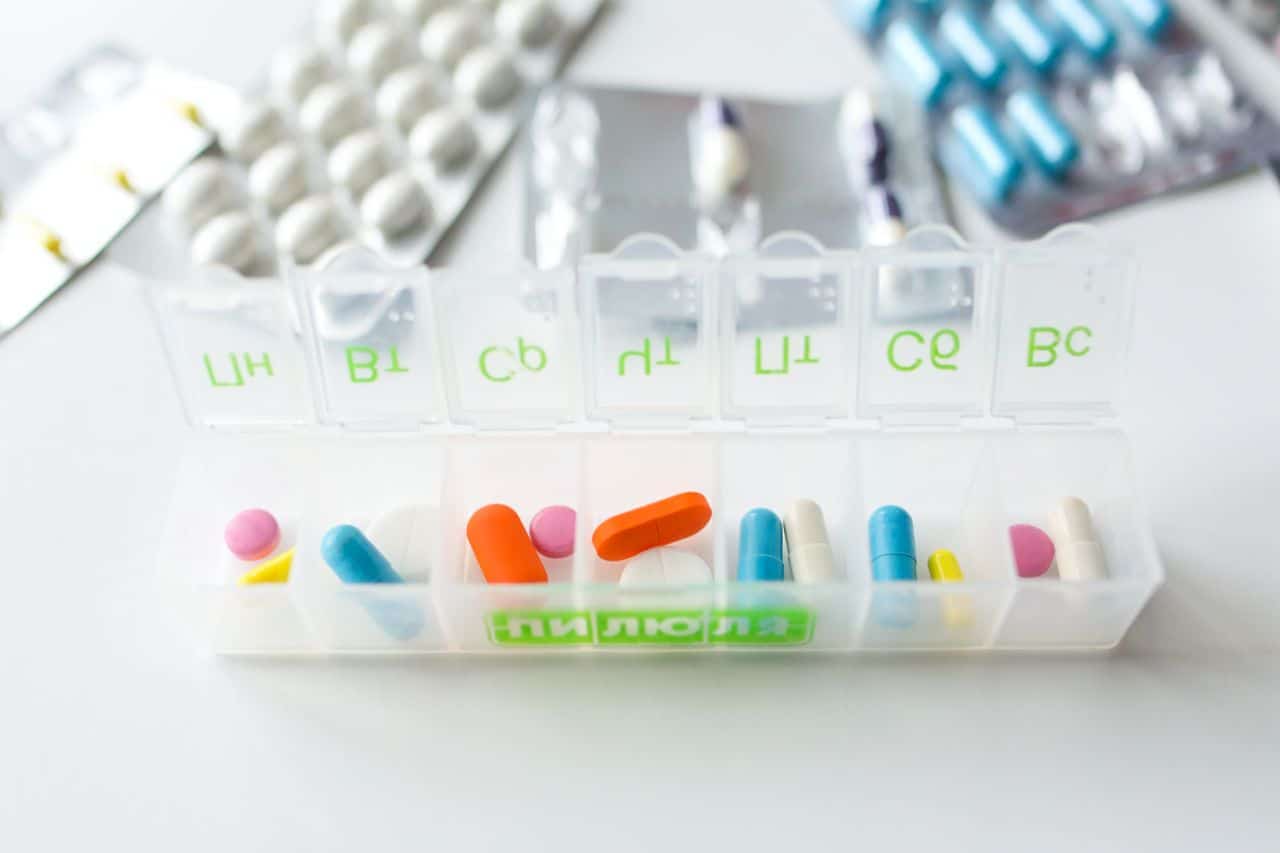
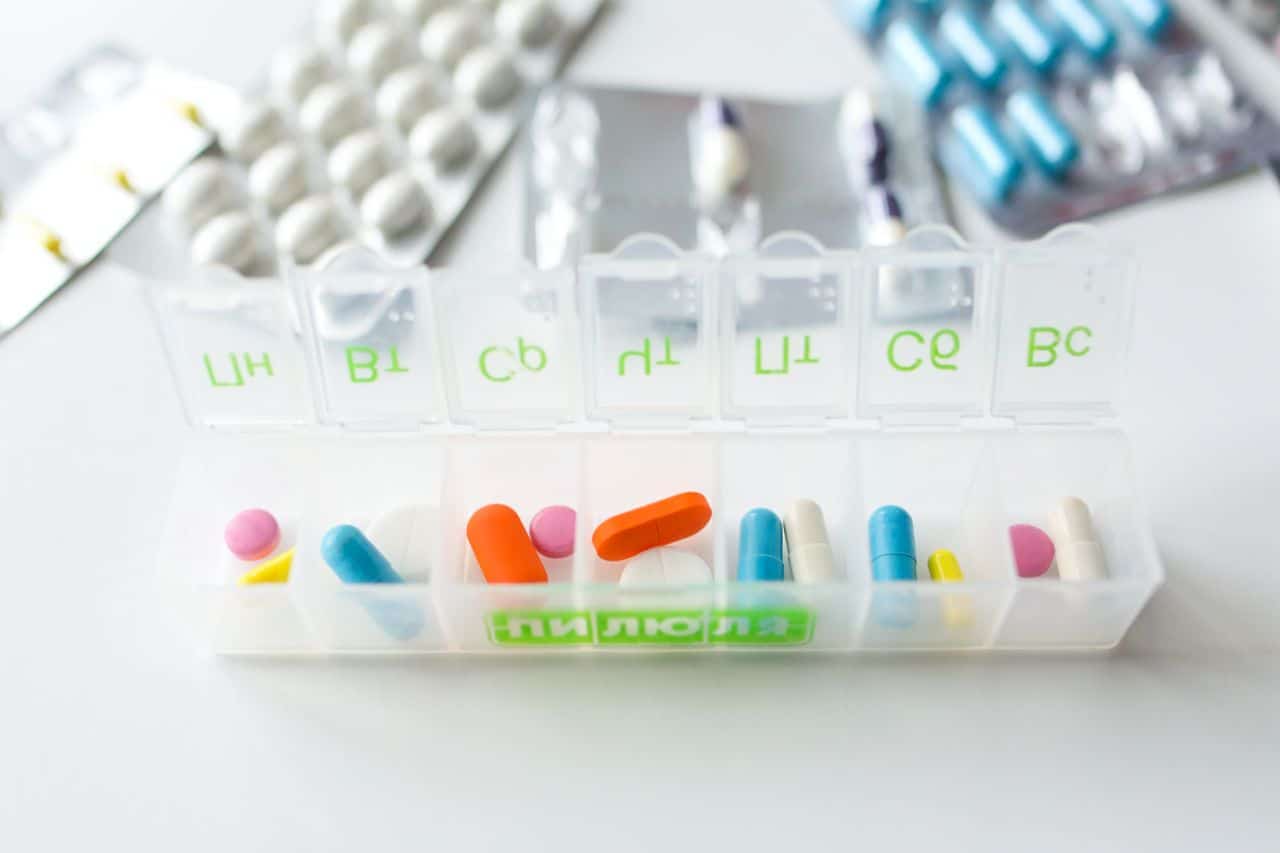
While moving to Dubai, managing your ongoing medical needs can be a source of stress. A common question from British and American expats on regular medication is whether they can bring their medications into the UAE, and if their prescriptions will be accepted locally. This guide covers what Brits and Americans need to know about bringing prescription medications into Dubai, accessing medications after arrival, and meeting the UAE’s health insurance requirements.
Choosing the right health insurance makes it easier to access the prescriptions and specialists you need, which is why many expats turn to the experts at Pacific Prime to compare plans that best fit their healthcare needs.
Can You Bring Prescription Medication into Dubai?
Yes, most travelers can bring their personal medications into Dubai. However, some medications commonly prescribed in the UK and US appear on the UAE’s controlled substances list. These can include some opioid-based painkillers, ADHD medications, and anti-anxiety or sleeping pills.
According to the UAE Embassy, all travelers carrying controlled medication must apply for approval through the Ministry of Health (MoH) website before traveling. Non-controlled prescription drugs and over-the-counter medications don’t require prior MoH approval, though you should still carry a valid prescription for the quantity you’re bringing.
Regardless of your medication type, the best practice is to:
- Keep everything in its original packaging
- Carry your prescription and a doctor’s letter
- Make sure that quantities reflect personal use only for your trip duration
Examples of Common Medications and Their Status in Dubai
To give you a better idea of what may be permitted, here are examples of some medications commonly used by British and American expats:
- Paracetamol: Generally allowed and not classified as a controlled medication in the UAE. It is commonly available in pharmacies throughout Dubai.
- Ibuprofen: Another common over-the-counter pain reliever that is generally permitted and widely available locally.
- Codeine: Medications containing codeine are considered controlled substances. Travelers must follow UAE approval requirements before bringing them into the country.
- Imodium (loperamide): Typically not classified as a controlled medication, but it is still advisable to confirm its status before traveling.
If you plan to bring a controlled medication into Dubai, you must obtain approval from the UAE Ministry of Health before traveling. The application can be completed online with around five working days of processing time.
Accessing Your Medications and Specialists Once You Are in Dubai
While bringing your medications with you can cover your first few weeks or months, you’ll need a plan for obtaining medication in the long run. Pharmacies in Dubai cannot accept foreign prescriptions, meaning you’ll need a new prescription from a local doctor to continue your treatment.
For some medications, that won’t be a straightforward GP visit. ADHD stimulants and benzodiazepines, for example, require an initial assessment by a UAE-licensed psychiatrist, who may also ask for prior records before issuing a local prescription.
This is where your health insurance plan becomes critical. Access to the right hospitals and pharmacies can vary greatly depending on your level of cover. It’s worth paying attention to the following in your health policy:
- Pharmacy sub-limits: reimbursement caps on medication costs can be reached quickly for ongoing prescriptions
- Specialist consultation cover: essential if your medication requires psychiatric, neurological, or pain specialist oversight
- Network breadth: a wider provider network means more flexibility in finding the right doctor for your needs
Why Working with a Health Insurance Broker Can Make the Transition Easier
Choosing the right health insurance in Dubai can be tricky, especially for expats with regular drug prescriptions or specialist care. Employer-sponsored plans may meet visa requirements but may not always provide the pharmacy coverage or healthcare access you need.
Our friends at Pacific Prime help expats compare DHA-compliant health insurance options and understand what each plan covers. This includes pharmacy benefits, specialist access, and coverage that fits their existing medical needs.
Get in touch with our friends at Pacific Prime for impartial advice and a free plan comparison today!