India has taken another significant step in digitising governance with the launch of the FCRA 2.0 Portal and the Electronic Overseas Citizen of India (e-OCI) Card, two initiatives that seek to modernise regulatory administration while improving citizen services.
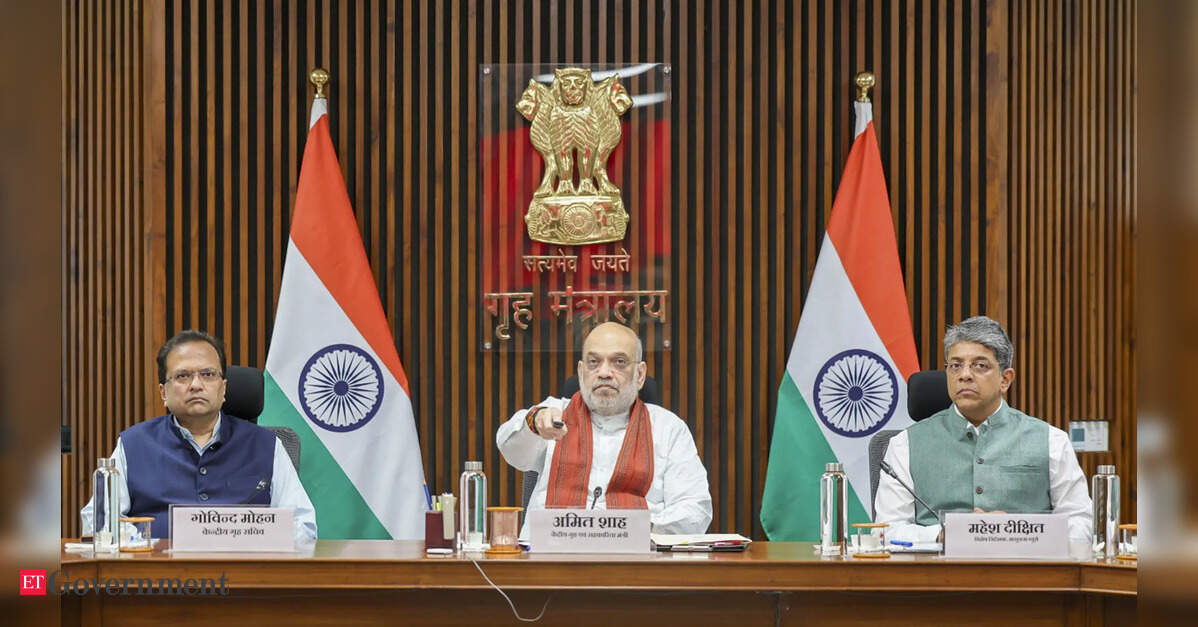
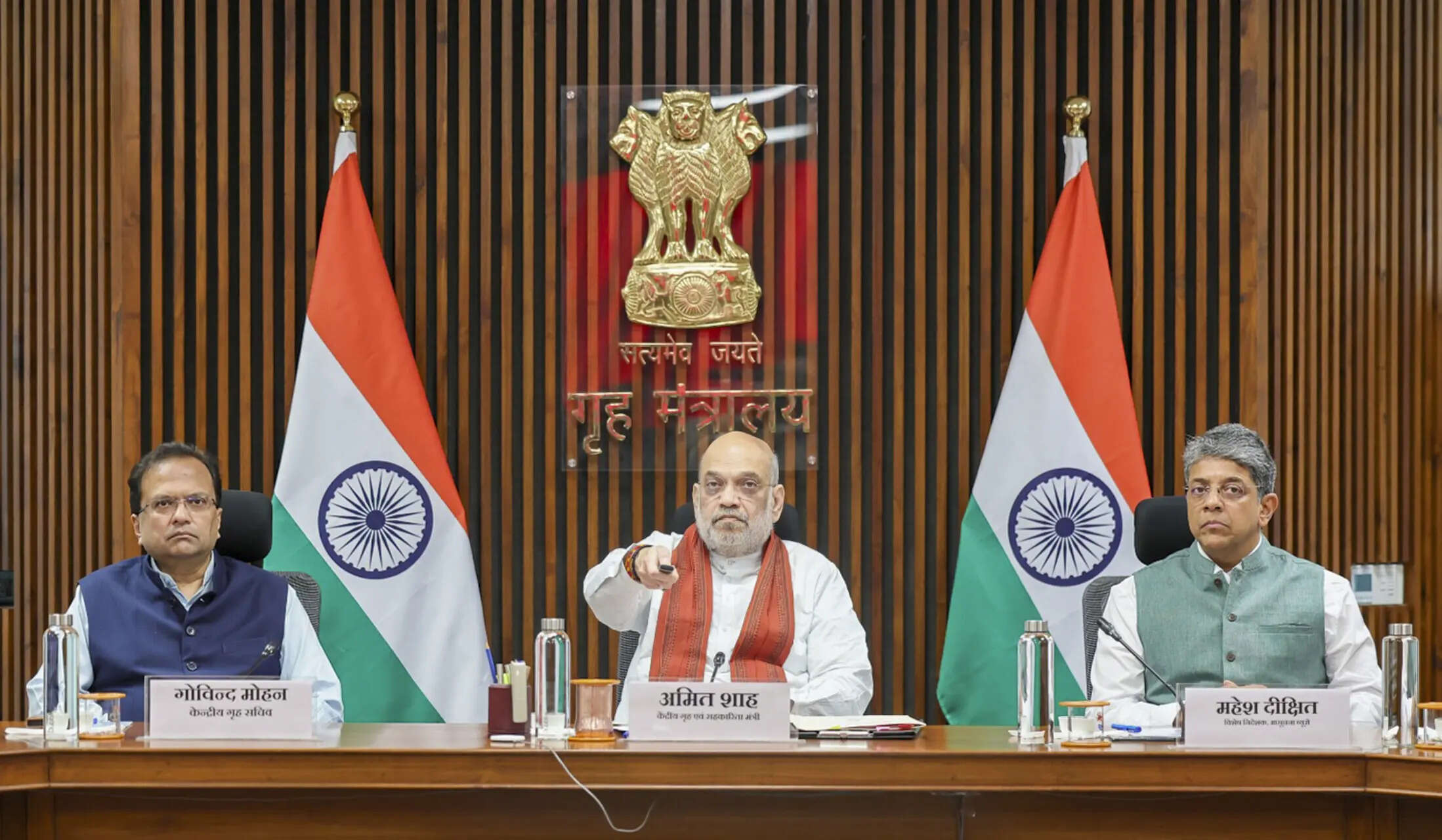
Unveiled by Union Home Minister and Minister of Cooperation Amit Shah in New Delhi, the twin platforms reflect the government’s broader effort to combine digital public infrastructure with stronger regulatory oversight, particularly in areas linked to national security, foreign funding and immigration.
While the two initiatives address very different constituencies—non-governmental organisations receiving foreign contributions and the global Indian diaspora—they are built on a common policy objective: reducing procedural complexity through technology while improving transparency, verification and real-time monitoring.
Their launch also follows the notification of the Foreign Contribution (Regulation) Amendment Rules, 2026, which further tighten the compliance framework governing foreign donations received by organisations in India.
A Technology-Driven Upgrade to FCRA Administration
The most significant announcement was the rollout of the FCRA 2.0 Portal, which completely digitises processes relating to registration, renewal, annual returns and other services under the Foreign Contribution (Regulation) Act.
Addressing the launch, Amit Shah said the upgraded system would reduce paperwork, accelerate processing and create a more effective monitoring mechanism for foreign contributions. He argued that governance becomes easier for compliant organisations when procedures are simplified while simultaneously becoming more stringent against those attempting to misuse the system.
The numbers underline why such an overhaul was considered necessary. India currently has nearly 14,500 active FCRA-registered organisations. Every year, authorities process approximately 15,000–20,000 applications along with nearly 17,000 annual returns, creating a substantial compliance workload.
Until now, many verification processes involved extensive documentation and multiple manual checks. The new portal seeks to replace this with an integrated digital ecosystem capable of handling high transaction volumes while improving regulatory efficiency.
Digital Integration for Faster Compliance
The new platform introduces several technological improvements that align with the government’s wider Digital India architecture.
The portal incorporates Aadhaar-based authentication, e-Sign facilities, Optical Character Recognition (OCR)-based document analysis and integration with major government databases including PAN, Aadhaar, OCI, NGO Darpan and the Institute of Chartered Accountants of India’s Unique Document Identification Number (UDIN) system.
Hosting the platform on the Government Cloud, MeghRaj, is intended to improve cybersecurity and reduce the risk of data breaches. The Ministry has also announced that an AI-powered chatbot, a mobile application and dedicated dashboards for banks will be introduced in the coming months, signalling a move towards continuous digital service delivery rather than a one-time platform upgrade.
For NGOs and charitable organisations, the immediate benefit lies in faster application processing, reduced paperwork and a unified dashboard for compliance management. For regulators, API-based integration enables quicker verification of identities, financial records and statutory filings while creating stronger audit trails.
Balancing Ease of Doing Good with National Security
The modernisation of the FCRA platform also reflects the government’s evolving approach towards foreign funding.
Foreign contributions have long occupied a sensitive policy space because they intersect with civil society, philanthropy, religious organisations, education, research and national security. Successive amendments to the FCRA framework have attempted to strengthen oversight over the sources and utilisation of foreign funds while preserving legitimate charitable activities.
The launch of FCRA 2.0 continues that trajectory.
By digitising verification, automating compliance checks and integrating multiple government databases, authorities are seeking to improve the traceability of foreign donations without relying solely on manual scrutiny. Real-time monitoring also allows regulators to detect anomalies more quickly, reducing opportunities for misuse while lowering administrative delays for compliant organisations.
This dual objective—simplifying compliance while strengthening oversight—captures the government’s broader governance philosophy of combining regulatory enforcement with technology-enabled service delivery.
e-OCI Card and Digital Transformation
Alongside the FCRA portal, the government launched the Electronic Overseas Citizen of India (e-OCI) Card, a significant reform for more than five million OCI cardholders worldwide.
The new system digitises the entire OCI lifecycle—from application submission and document uploads to approval and digital issuance.
Perhaps the most practical reform concerns passport renewals. Previously, OCI cardholders were required to obtain a re-issued OCI booklet after receiving a new passport upon reaching the age of 20. Under the new framework, that requirement has been eliminated. Cardholders will instead update their passport details online, substantially reducing paperwork and processing time.
The e-OCI system also eliminates the risk associated with losing or damaging physical documents while enabling digital verification during travel and immigration procedures. For overseas Indians, this represents a shift from document-based identity management to a continuously updated digital identity linked with immigration databases.
Improving India’s Global Citizen Services
The e-OCI initiative fits into a broader trend of digitising citizen services for Indians living abroad.
Over the past decade, India has progressively expanded online passport services, digital visa systems and integrated immigration platforms. The e-OCI Card extends that approach by providing a fully digital identity framework for overseas citizens while allowing immigration authorities to conduct real-time verification.
As international travel volumes continue to grow, digital credentials also improve operational efficiency at airports and reduce opportunities for identity fraud. For the government, centralised digital records enhance data management while reducing administrative costs associated with physical documentation.
Beyond Digitisation: Building Integrated Governance
Although the launch is being presented as another Digital India milestone, its larger significance lies in administrative integration.
The FCRA 2.0 Portal is no longer merely a filing system; it is becoming a connected regulatory platform that interacts with multiple government databases in real time. Similarly, the e-OCI Card is evolving into a digital identity linked with immigration systems rather than remaining a standalone physical document.
Such integration reflects the government’s increasing emphasis on interoperable digital governance, where different departments exchange verified information electronically instead of relying on repeated submissions by citizens. This approach not only improves efficiency but also enhances accountability by creating stronger digital audit trails.
The Road Ahead
The success of both platforms will ultimately depend on execution. For FCRA 2.0, sustained performance, cybersecurity resilience, reliable API integration and responsive technical support will determine whether the promised reduction in compliance burdens materialises for thousands of organisations. The planned AI chatbot and mobile application could further improve user experience if implemented effectively.
Similarly, widespread adoption of the e-OCI Card will depend on seamless coordination between the Ministry of Home Affairs, Indian missions abroad, immigration authorities and digital verification systems at airports.
If these implementation challenges are addressed successfully, the two initiatives could become important examples of how technology can simultaneously improve citizen services, regulatory efficiency and national security.
Rather than treating digital governance merely as the computerisation of existing procedures, the FCRA 2.0 Portal and e-OCI Card represent a broader shift towards integrated, data-driven public administration that seeks to make government both more accessible and more accountable.