 “>
“>India’s telecommunications sector stands at a pivotal moment. As the country expands one of the world’s fastest-growing 5G networks, policymakers and industry leaders are simultaneously confronting questions around spectrum allocation, OTT regulation, digital trust, artificial intelligence, satellite communications and India’s ambitions to lead the global transition to 6G.
The sector is no longer viewed merely as a provider of connectivity; it has become a critical pillar of the country’s digital economy and an essential enabler of innovation across industries.
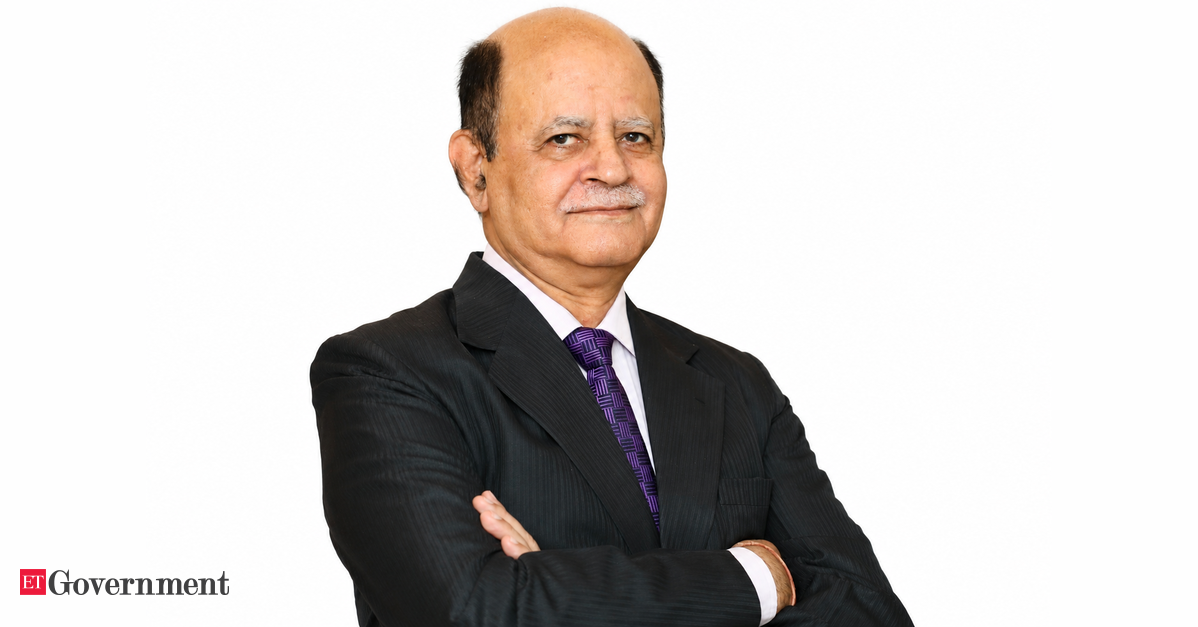
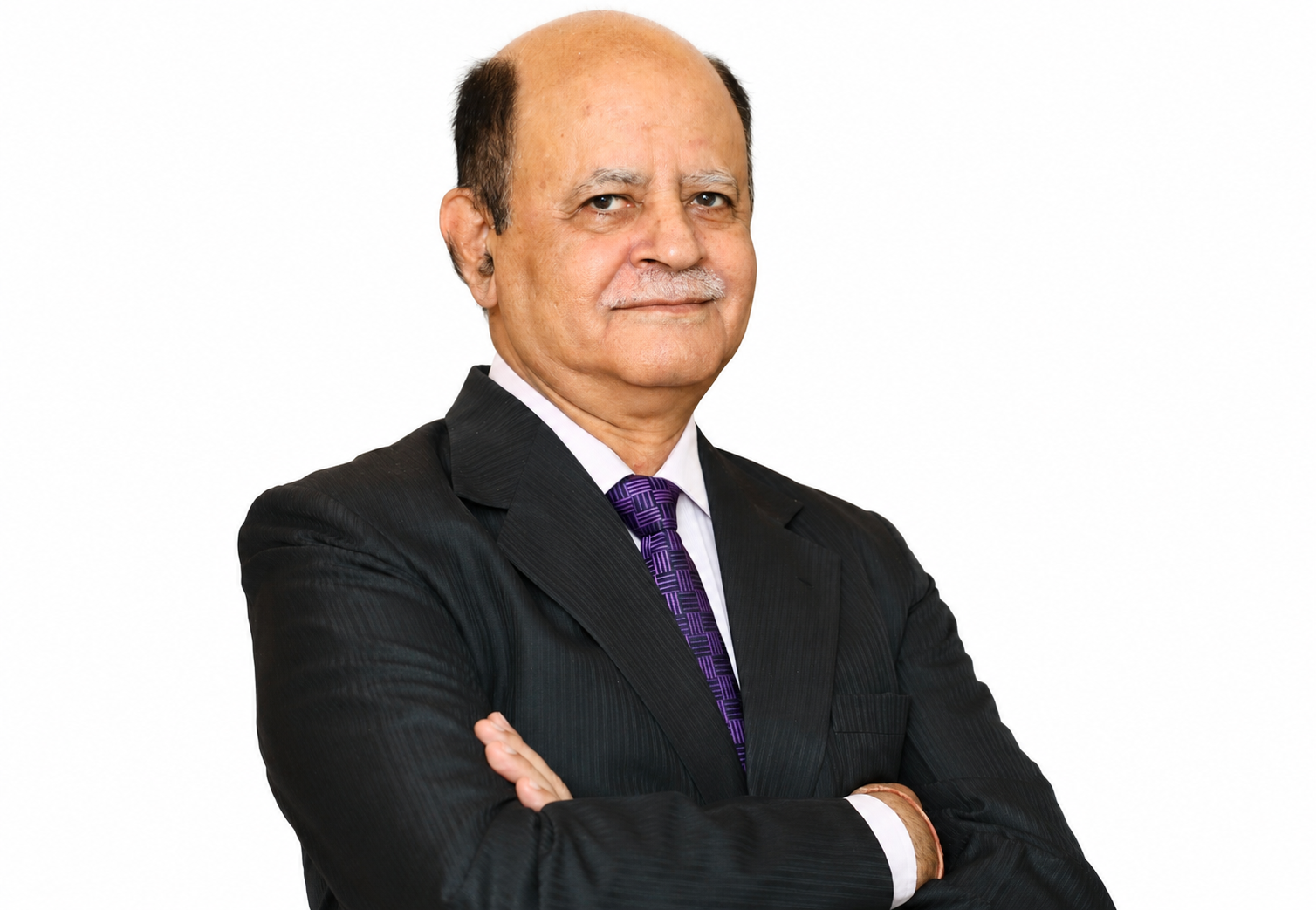
In this interview with Anoop Verma, Lt. General S.P. Kochhar, Director General of the Cellular Operators Association of India (COAI), outlines the telecom industry’s perspective on the regulatory challenges posed by OTT communication platforms, the importance of SIM-linked digital identities, the need for reforms in spectrum policy, and the investments required to build India’s next-generation digital infrastructure.
He also discusses telecom’s evolving role in supporting artificial intelligence, the future of satellite communications, India’s roadmap for 6G, and why policymakers must increasingly view information technology, telecommunications, electronics and cybersecurity as a single integrated ecosystem.
Edited excerpts:
Telecom operators have consistently argued that OTT communication platforms should be regulated. With concerns over digital fraud and impersonation increasing, do you believe services such as WhatsApp, Signal and Telegram should be subject to regulatory obligations similar to licensed telecom operators?
Rather than discussing individual companies, I would prefer to talk about the underlying principle because companies will come and go. Today we may be talking about WhatsApp, Signal and Telegram, but tomorrow there might be new platforms. Some will become dominant while others could disappear.Our position is based on a simple principle: same service, same rules. If telecom service providers are offering voice, data and video services under a well-defined regulatory framework, then any entity providing the same communication services should operate under comparable rules. Alternatively, telecom operators should be brought under the lighter regulatory framework that applies to OTT platforms, but that is clearly not practical.
The second issue concerns public safety. Fraudsters have increasingly migrated from traditional telecom networks to OTT communication platforms because the regulatory oversight is much weaker there. They continue to exploit these platforms for financial fraud and other criminal activities with far fewer checks and balances than exist in licensed telecom networks.
The third issue relates to infrastructure. India’s telecom operators have invested enormous amounts of capital in building nationwide communication infrastructure. OTT platforms use this infrastructure to deliver their services and generate substantial revenues, yet they make no contribution towards the cost of creating and maintaining these networks. We are not suggesting any arbitrary revenue-sharing formula. We are simply asking for a fair discussion to determine what constitutes a reasonable contribution.
Finally, there has to be an effective mechanism to protect Indian citizens from fraud and cybercrime. Whether criminals operate through telecom networks or OTT platforms should not matter. The focus should be on ensuring that citizens are protected. The government has begun examining these issues, but much more needs to be done.
OTT platforms have become the primary mode of communication for millions of Indians. Why has there been so little progress in developing a framework where they contribute to the telecom infrastructure they depend upon?
The answer is quite straightforward. If someone is receiving something free of cost, there is very little incentive to voluntarily start paying for it.
That is why we believe the government should act as a facilitator rather than as an arbitrator. We are not asking the government to dictate commercial terms. Instead, it should bring telecom operators and OTT platforms together and encourage both sides to negotiate a fair arrangement. The market can determine the appropriate commercial model, but there has to be a framework that encourages such discussions.
Without that facilitation, there is no reason for OTT platforms to voluntarily share their revenues or contribute towards infrastructure development.
The government recently expressed concerns regarding WhatsApp’s proposed username feature. From the telecom industry’s perspective, how important is SIM-linked identity verification in maintaining trust within India’s digital communication ecosystem?
SIM binding is extremely important, and COAI has consistently advocated for it. We had highlighted this issue before the government and demonstrated the security risks that arise when communication applications are not linked to a verified SIM.
Consider a situation where someone installs an application like WhatsApp, completes the verification process and then removes the SIM card from the device. The SIM remains elsewhere, creating an electronic trail suggesting the individual is in one location, while the application continues functioning on another device that could potentially be used for criminal activities. Such situations make investigations significantly more difficult. Recognising these risks, the government decided to mandate SIM binding. This ensures that communication applications remain linked to authenticated mobile identities, much like banking applications already do.
Regarding the proposed username feature, the complete regulatory framework is still under examination. Much will depend on how usernames are linked with verified identities and what security safeguards are built into the system. Until those details become clear, it would be premature to draw conclusions. However, if username-based identities weaken SIM-linked verification, we could end up recreating vulnerabilities that have only recently been addressed.
India has made remarkable progress in expanding telecom connectivity and was among the fastest countries to roll out 5G. Yet infrastructure deployment continues to face challenges. What are the biggest bottlenecks today?
India’s rapid 5G rollout demonstrates what can be achieved when policy and implementation work together effectively. However, expanding networks beyond the initial rollout presents a different set of challenges.
One of the biggest hurdles has been the Right of Way (RoW) framework. Earlier, different states and local authorities imposed widely varying charges for permissions to lay fibre or install telecom infrastructure. In some cases, while the Centre recommended reasonable fees, local authorities demanded extraordinarily high amounts, making deployment commercially unviable.
The new Telecommunications Act has addressed many of these issues through a more transparent, portal-based approval system. Implementation is improving steadily. State governments have largely aligned themselves with the new framework, although local bodies are still in the process of fully adopting it. The situation today is significantly better than it was a few years ago.
Another important challenge is technical. As networks evolve towards higher-frequency spectrum bands for 5G, each tower covers a smaller geographical area than lower-frequency networks. Higher frequencies offer greater data capacity but require denser infrastructure and more deployment sites.
Power emission limits also remain an issue. The telecom industry has repeatedly clarified that fears regarding radiation are not supported by scientific evidence. In fact, poor network coverage often causes mobile phones themselves to transmit at higher power levels. We continue to engage constructively with the government on this issue.
The global geopolitical situation has also created fresh challenges. Supply chains have become more expensive and procurement of electronic components has become more difficult. At the same time, the commercial returns from 5G investments are still evolving because many advanced 5G applications have yet to mature globally. Taken together, these factors create a challenging investment environment, but the industry remains committed to overcoming them.
The allocation of the 6 GHz spectrum band has become a key policy issue. Why does the telecom industry consider this band critical for the future of 5G, and how do you view the competing demands for licensed and unlicensed spectrum?
The preferred spectrum for 5G is the 3.3 GHz band, commonly referred to as the C-band. The government made considerable efforts to make around 800 MHz available for telecom services by relocating existing users. However, the combined requirement of India’s telecom operators is nearly 2,000 MHz. That means we still face a shortfall of about 1,200 MHz if we want to deliver the quality of 5G services that the country will eventually require.
For several years we have requested the government to make additional spectrum available. Since relocating existing users from the C-band is understandably difficult, we believe the 6 GHz band is the most practical alternative. Conveniently, around 1,200 MHz is available there, which aligns closely with the industry’s requirement.
There are competing demands from Wi-Fi stakeholders who also seek access to this spectrum. Our view is that the existing licence-exempt bands at 2.4 GHz and 5 GHz have not yet been fully utilised. Moreover, the next generation of Wi-Fi technology is increasingly spectrum-agnostic and does not necessarily depend on the 6 GHz band.
Ultimately, it is for the government to decide. Our position is simply that scarce spectrum should be allocated where it delivers the greatest national benefit. Given the enormous capacity requirements of future mobile broadband, the telecom industry believes the 6 GHz band is essential for India’s digital future.
Spectrum pricing has remained a major concern for telecom operators. As India prepares for future spectrum auctions, what changes would you like to see?
Today, telecom operators invest a significant portion of their capital in acquiring spectrum, leaving comparatively less for expanding networks and improving infrastructure. That model needs to evolve.
We are not asking for a free spectrum. Our submission is that spectrum policy should be designed to maximise long-term economic value rather than short-term auction revenues. The government should view spectrum as an investment in national digital infrastructure. Many countries have adopted pricing models that encourage faster network expansion because they recognise that affordable spectrum ultimately leads to greater economic activity, higher productivity and stronger digital ecosystems. India should adopt a similar long-term perspective.
If operators can invest more in infrastructure instead of diverting most of their resources towards spectrum acquisition, the benefits will extend well beyond the telecom sector to every industry that depends on digital connectivity.
Telecom is increasingly being described as a horizontal enabler rather than a standalone sector. How should policymakers reflect this change in their approach?
The Communications Minister himself has articulated that telecom is no longer merely another industry vertical. It has become a value-added horizontal that supports virtually every sector of the economy. I believe this recognition should now be reflected in policymaking.
Today, manufacturing, healthcare, education, financial services, logistics, digital governance and artificial intelligence all depend on reliable telecom networks. If communications stop, almost every essential service is affected. That is why telecom should be treated as critical national infrastructure. Whether it is formally designated as an essential service is a separate legal issue, but from a policy standpoint it deserves that level of importance.
As India’s digital economy expands, policy decisions relating to infrastructure deployment, Right of Way approvals, investment incentives and taxation should increasingly recognise telecom as the foundation on which the country’s digital transformation rests.
India has ambitious plans to become a global leader in artificial intelligence. What role will telecom networks play in supporting AI infrastructure?
AI cannot exist without robust telecom infrastructure. High-speed, reliable communication networks are fundamental to moving enormous volumes of data between users, cloud platforms and data centres.
Ironically, telecom often goes unnoticed because everyone assumes the networks will always be available. AI discussions generally focus on computing power and algorithms, while the underlying communications infrastructure is taken for granted. If India wants to build world-class AI capabilities, it must simultaneously strengthen its telecom backbone. That requires sustained investment, and for operators to continue investing at the required scale, supportive government policies on taxation, tariffs and spectrum costs become increasingly important.
The industry will continue building these networks, but there are practical financial limits. Public policy should recognise telecom as one of the foundational pillars of India’s AI ecosystem.
Rising fuel prices and geopolitical disruptions have increased operating costs for telecom operators. How significant is this challenge?
Fuel prices have a direct impact because many telecom towers continue to rely on backup power systems, particularly where uninterrupted electricity supply is unavailable.
Beyond fuel, geopolitical developments have also increased the cost of importing electronic components and telecom equipment. Supply chains have become more complex, adding further pressure on network operating costs. We had requested the government that telecom infrastructure should receive the same consideration as other essential services such as hospitals and railways. Since communications underpin virtually every economic activity, restrictions affecting fuel supplies or logistics should take into account the critical role played by telecom networks.
Fortunately, some of those restrictions have subsequently been withdrawn, but the broader point remains valid. Reliable communications are indispensable for the functioning of the entire economy.
India has begun preparing for the transition to 6G while continuing to expand 5G. Where does the country currently stand in the global race?
The Government of India has taken a very deliberate decision that India should emerge as a leader in 6G rather than merely becoming an adopter. Dedicated task forces have been established under the direct oversight of the Communications Minister. Funding has been allocated, and industry, academia and research institutions are actively participating in the effort. An important national objective is to secure at least 10 percent of global 6G patents, and we have already seen a significant increase in patent filings over the past two years.
However, technological leadership is not only about standards or patents. We must also begin developing practical use cases. One lesson from the global rollout of 5G is that networks expanded faster than commercial applications. We should avoid repeating that experience with 6G. India should first identify the technologies and services that best address its own developmental priorities. Once those solutions mature domestically, they can become exportable technologies for the global market.
AI-native networks, satellite communications, Open RAN, quantum communications and edge computing are all expected to reshape telecommunications. Which of these technologies will have the greatest impact?
I do not think it is useful to identify a single winner. All these technologies will influence the telecom ecosystem in different ways and over different time horizons.
Today, artificial intelligence understandably receives the greatest attention. Satellite communications are also advancing rapidly, while quantum technologies are steadily gathering momentum. Data centres, which often receive less public attention, may ultimately become equally important because AI depends on massive computing infrastructure, which in turn requires power, cooling and high-capacity networks.
These technologies will not develop sequentially; they will evolve together and reinforce one another. AI will support quantum computing, quantum applications will demand advanced communications networks, and data centres will underpin both. The current enthusiasm around AI will eventually settle into practical, large-scale deployment, much as previous technology waves have done. Over time, all these technologies will become integral parts of a much broader digital ecosystem.
Do you see satellite communications emerging as a competitor to terrestrial telecom networks, especially with large global constellations entering the market?
Satellite communication should be viewed as a complementary technology rather than a direct competitor. Today, telecommunications essentially rely on two transport media—terrestrial networks and satellites—and each has strengths that suit different deployment scenarios.
The choice between them ultimately depends on economics and suitability. Where terrestrial infrastructure can be deployed efficiently, it is generally the more cost-effective option and will likely remain preferred. However, satellite communication becomes particularly valuable in remote, inaccessible, or sparsely populated regions where laying terrestrial infrastructure is either difficult or uneconomical.
While there is a perception that satellite and terrestrial operators will compete directly, I don’t share that view. As satellite technologies mature and costs decline, they will certainly become an increasingly important part of the telecom ecosystem. But they will not replace terrestrial networks. Both technologies will work together, each serving the applications where it offers the greatest advantage to provide seamless nationwide connectivity.
Looking ahead, technologies such as AI-native networks, satellite communications, Open RAN, quantum communications and edge computing are expected to reshape the telecom landscape. Which of these technologies do you believe will have the greatest impact on India’s telecom sector, and how should the government and industry prepare for that future?
I don’t think it would be correct to single out one technology. All of them will influence the telecom ecosystem in different ways, and all of them are important. Today, the greatest excitement is around artificial intelligence. Satellite communications are advancing rapidly, quantum technologies are progressing steadily, and Open RAN and edge computing are also becoming increasingly relevant. None of these technologies can simply be ignored.
What is important to understand is that these technologies will not evolve in isolation. They will complement each other. Artificial intelligence will require high-capacity telecom networks. Quantum technologies will depend on advanced communications infrastructure. Data centres will become indispensable because AI cannot function without massive computing capacity, and data centres themselves require robust telecom connectivity, reliable power and efficient cooling systems.
Technology development rarely follows a straight line. We saw similar excitement during the dot-com era. Eventually, the initial hype settled into practical, commercially viable applications. I expect AI to follow a similar path. The enthusiasm will mature into widespread, efficient deployment, and then newer technologies will build upon that foundation. The important point is that India should prepare for an ecosystem where all these technologies evolve together rather than treating them as independent developments.
In the past you have talked about the idea of ICTEC. Could you explain what you mean by this term?
Traditionally, we have looked at information technology, telecommunications, electronics and cybersecurity as separate sectors. That distinction no longer reflects technological reality. Take a smartphone as an example. Is it an electronic device? Certainly. Is it a telecom device? Absolutely. Is it an information technology platform? Yes. Is cybersecurity an integral part of it? Without question.
The device is simultaneously all of these things. You cannot meaningfully separate one from the other. That is why I use the term ICTEC—a convergence of Information Technology, Communications, Electronics and Cybersecurity. These technologies have become deeply integrated and should increasingly be viewed as a single ecosystem. The same principle should apply to policymaking. Today, different ministries and regulatory bodies often frame policies independently for different aspects of what is essentially the same digital ecosystem.
As technologies continue to converge, regulation must also become more integrated. Instead of treating telecom, IT, electronics and cybersecurity as isolated verticals, India should begin adopting a holistic policy framework that recognises their growing interdependence. Such an approach will be better suited to the digital economy of the future.