 “>
“>Prime Minister Narendra Modi’s State Visit to Indonesia marks an important moment in one of the Indo-Pacific’s most consequential bilateral relationships.
As India and Indonesia seek to deepen their Comprehensive Strategic Partnership, the agenda extends well beyond traditional diplomacy to encompass trade and investment, critical minerals, maritime security, defence cooperation, digital public infrastructure and regional stability. The visit also comes at a time of rapid geopolitical shifts, making closer coordination between the region’s two largest democracies increasingly significant.
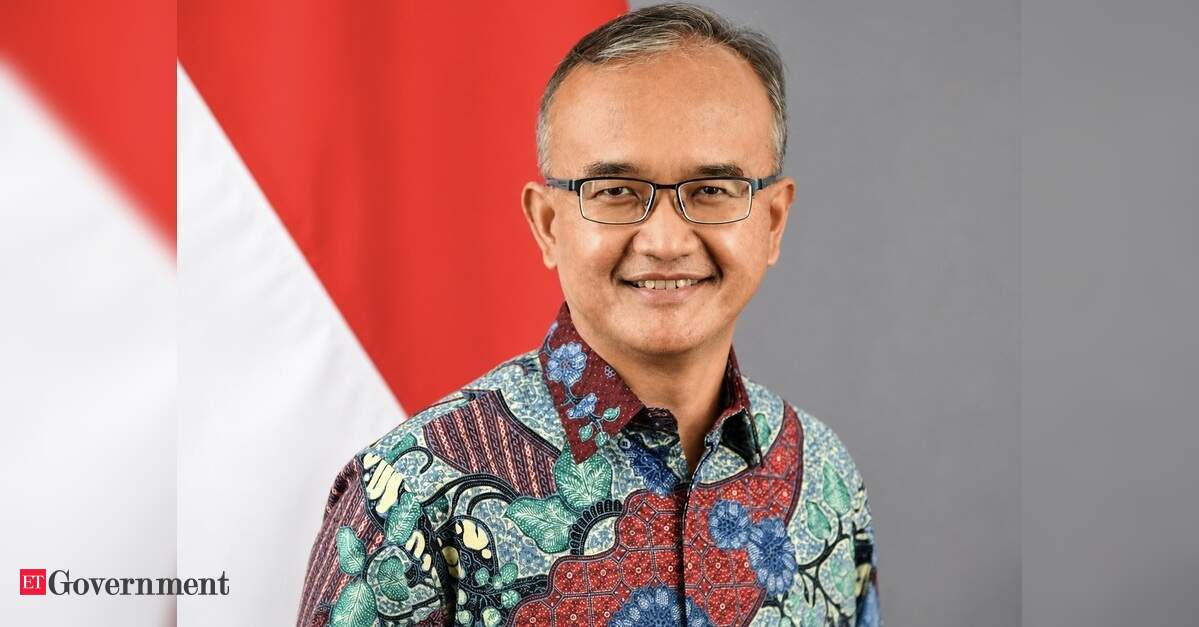
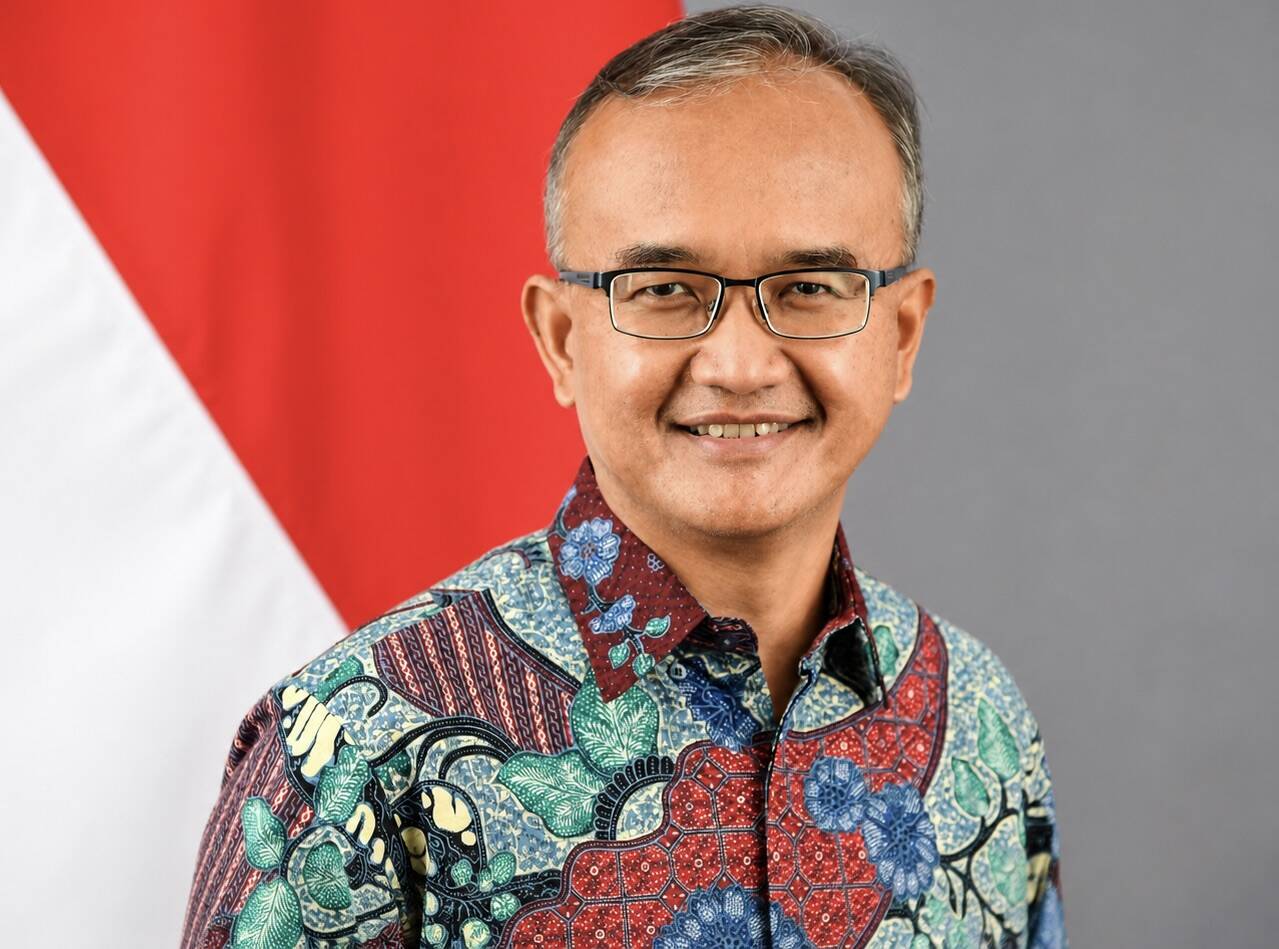
In this conversation with Anoop Verma, Yudho Sasongko, Chargé d’affaires at the Embassy of the Republic of Indonesia in New Delhi, discusses Jakarta’s expectations from the Prime Minister’s visit, the expanding economic and strategic partnership with India, cooperation in critical minerals and defence, prospects for interoperable digital payments, and the shared vision of both countries for a free, open and rules-based Indo-Pacific.
Edited excerpts:
Prime Minister Narendra Modi’s State Visit to Indonesia comes at a time of significant geopolitical change in the Indo-Pacific. What key outcomes does Jakarta hope to achieve from this visit?
We see the ongoing State Visit, from July 6 to 8, as an important milestone in taking the India-Indonesia Comprehensive Strategic Partnership to the next level. It builds on President Prabowo Subianto’s visit to India as the Chief Guest at India’s 76th Republic Day celebrations.
At a time of significant geopolitical change in the Indo-Pacific, our objective is to translate the historical closeness between our two countries into concrete, business-oriented outcomes. We expect progress across trade and investment, critical minerals and resilient supply chains, defence and maritime cooperation, health, the digital economy, and education.
A special highlight of the visit is the inauguration of the India-supported restoration works at the Prambanan Temple Compounds in Yogyakarta, reflecting the deep civilisational links between our countries. Above all, we hope the visit delivers practical and long-term outcomes that create tangible benefits for the people of both Indonesia and India.
India and Indonesia elevated their relationship to a Comprehensive Strategic Partnership several years ago. Which areas of cooperation are now ready for a major expansion?
Several sectors are now well positioned for significant growth. Trade and investment remain the foremost priority as we work towards deeper and more balanced economic integration between Indonesia Emas 2045 and Viksit Bharat 2047.
Critical minerals and resilient supply chains represent another major area of opportunity, particularly as global industries seek trusted and diversified partners. Defence industrial cooperation and maritime collaboration are also natural areas for expansion, given our shared geography and strategic interests.
The digital economy is another fast-moving sector. From digital payments to digital public infrastructure, both countries have built strong capabilities and there is considerable potential to scale up cooperation. The foundation has already been laid in these sectors. The next step is to convert that foundation into larger, mutually beneficial partnerships.
Critical minerals have become central to the global clean energy transition. As one of the world’s largest producers of nickel, how does Indonesia see its partnership with India evolving in EV manufacturing, battery technology and resilient supply chains?
As one of the world’s largest producers of nickel, Indonesia sees itself as a natural partner for India’s clean energy and advanced manufacturing ambitions.
Our two leaders have consistently emphasised the importance of strengthening cooperation in critical minerals and rare earths with the objective of building diversified and resilient supply chains that reduce vulnerabilities and enhance economic security. Our interest goes beyond exporting raw materials. We want to develop downstream value chains together, including battery manufacturing, electric vehicle technologies and the broader EV ecosystem.
We regard India as a serious long-term partner in this transition, and we believe this collaboration can generate substantial benefits for both economies.
Both India and Indonesia are major maritime nations located at the heart of the Indo-Pacific. How can the two countries strengthen cooperation on maritime security, freedom of navigation, disaster response and combating illegal activities at sea?
As two major maritime nations located at the centre of the Indo-Pacific, maritime cooperation comes naturally to both our countries.
Building on the 2018 Shared Vision on Maritime Cooperation, we are strengthening coordination between our maritime agencies, including cooperation between Indonesia’s BAKAMLA and the Indian Coast Guard. This includes maritime domain awareness, coastal surveillance, humanitarian assistance and disaster relief (HADR), as well as search and rescue operations. We also welcome the new Memorandum of Understanding on Disaster Management, which will strengthen joint preparedness and improve resilience against natural disasters.
Our common objective is to ensure safe, secure and open sea lanes while upholding freedom of navigation and overflight in accordance with international law, including the provisions of UNCLOS, and with full respect for each other’s maritime boundaries.
Defence cooperation between the two countries has steadily expanded through naval exercises and military exchanges. Do you expect Prime Minister Modi’s visit to produce new initiatives in defence manufacturing, technology transfer or joint capability development?
Defence has become one of the strongest and fastest-growing pillars of our bilateral partnership, and we expect the Prime Minister’s visit to reinforce that momentum.
Building on the outcomes of the Third Defence Ministers’ Dialogue, both countries are committed to expanding cooperation in emerging areas such as joint research, co-production of defence technologies and broader defence-industrial collaboration. Regular military exercises, staff-level exchanges and professional training will also continue to deepen.
With regard to any specific agreements or initiatives that may emerge during the visit, I would leave those announcements to the relevant authorities. However, the overall direction is very clear—we are moving towards deeper industrial and technological collaboration in defence.
India has developed globally recognised Digital Public Infrastructure such as UPI, while Indonesia has built its own QRIS digital payment ecosystem. How close are the two countries to achieving interoperability, and what impact could this have on tourism, trade and financial inclusion?
This is one of the most exciting and practical areas of our bilateral cooperation.
Indonesia and India are strengthening financial cooperation through the Local Currency Settlement framework established between Bank Indonesia and the Reserve Bank of India. At the same time, both sides are actively exploring Cross-Border QR Payment Linkages that would connect our digital payment ecosystems.
The central banks are currently working on the operational aspects of implementation. Once realised, interoperability could make cross-border retail payments simpler, faster and more affordable for tourists, students and, importantly, micro, small and medium enterprises.
It would also reduce dependence on the US dollar for bilateral transactions and contribute to deeper financial integration. This is a clear example of how digital public infrastructure can directly improve the lives of ordinary citizens while supporting broader economic cooperation.
Bilateral trade has expanded considerably over the past decade, but both governments believe there is much greater potential. Which sectors offer the greatest opportunities for investment and business collaboration?
Economic cooperation is one of the central pillars of our relationship, and there remains significant untapped potential.
Critical minerals and rare earths are obvious areas of collaboration, particularly when combined with steel production and downstream metal industries, where Indonesia’s natural resources complement India’s manufacturing capabilities. We also see strong opportunities in pharmaceuticals and medical devices, renewable energy, the electric vehicle battery ecosystem, digital technologies and food processing.
As both countries continue to industrialise and diversify their economies, partnerships in these sectors can stimulate investment, encourage technology transfer, strengthen resilient supply chains and create new business opportunities for companies on both sides.
ASEAN occupies a central place in India’s Act East Policy, while Indonesia is one of ASEAN’s most influential members. How do you see India and Indonesia working together to strengthen ASEAN centrality and promote a stable, rules-based Indo-Pacific?
Indonesia appreciates India’s consistent support for ASEAN unity and ASEAN centrality, which we regard as essential for regional peace and stability.
We would like to see the ASEAN-India Comprehensive Strategic Partnership strengthened through practical initiatives and closer alignment between the ASEAN Outlook on the Indo-Pacific and India’s Indo-Pacific Oceans’ Initiative. As two of the region’s largest democracies, Indonesia and India can work together to promote an Indo-Pacific that is free, open, inclusive and firmly anchored in international law.
For Indonesia, the guiding principle is clear. Any evolving regional architecture should reinforce ASEAN’s central role rather than diminish it. Through close cooperation, India and Indonesia can make an important contribution to preserving a stable, balanced and rules-based regional order.