As India accelerates its push towards defence self-reliance and indigenous innovation, the role of startups, emerging technologies and integrated military capabilities has become central to the country’s national security strategy.
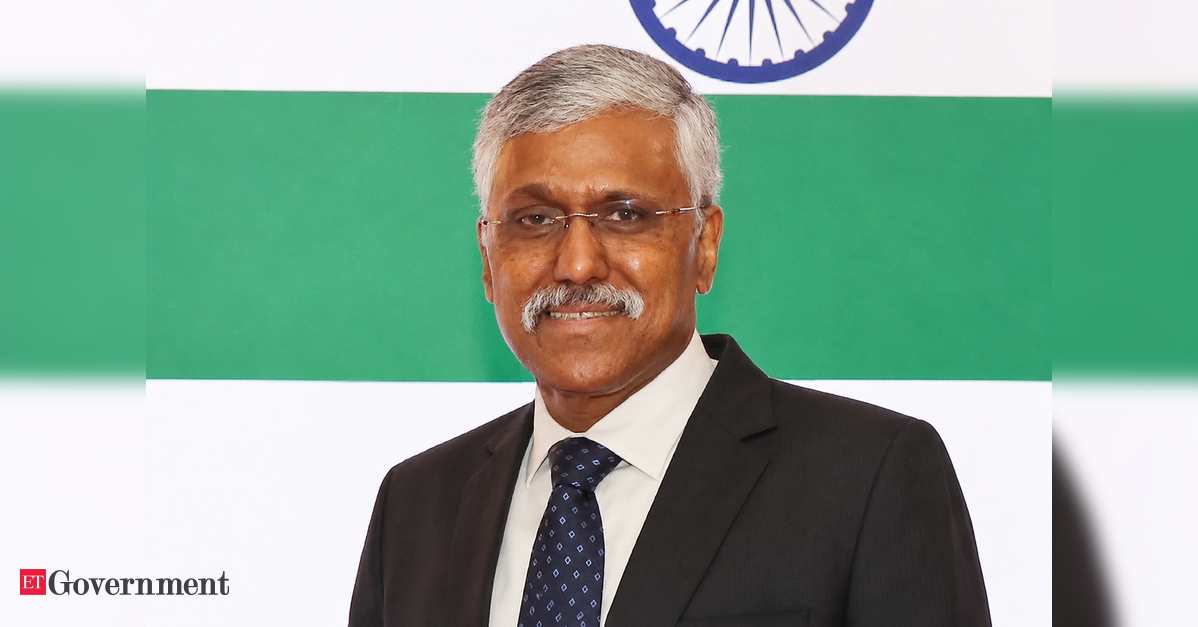
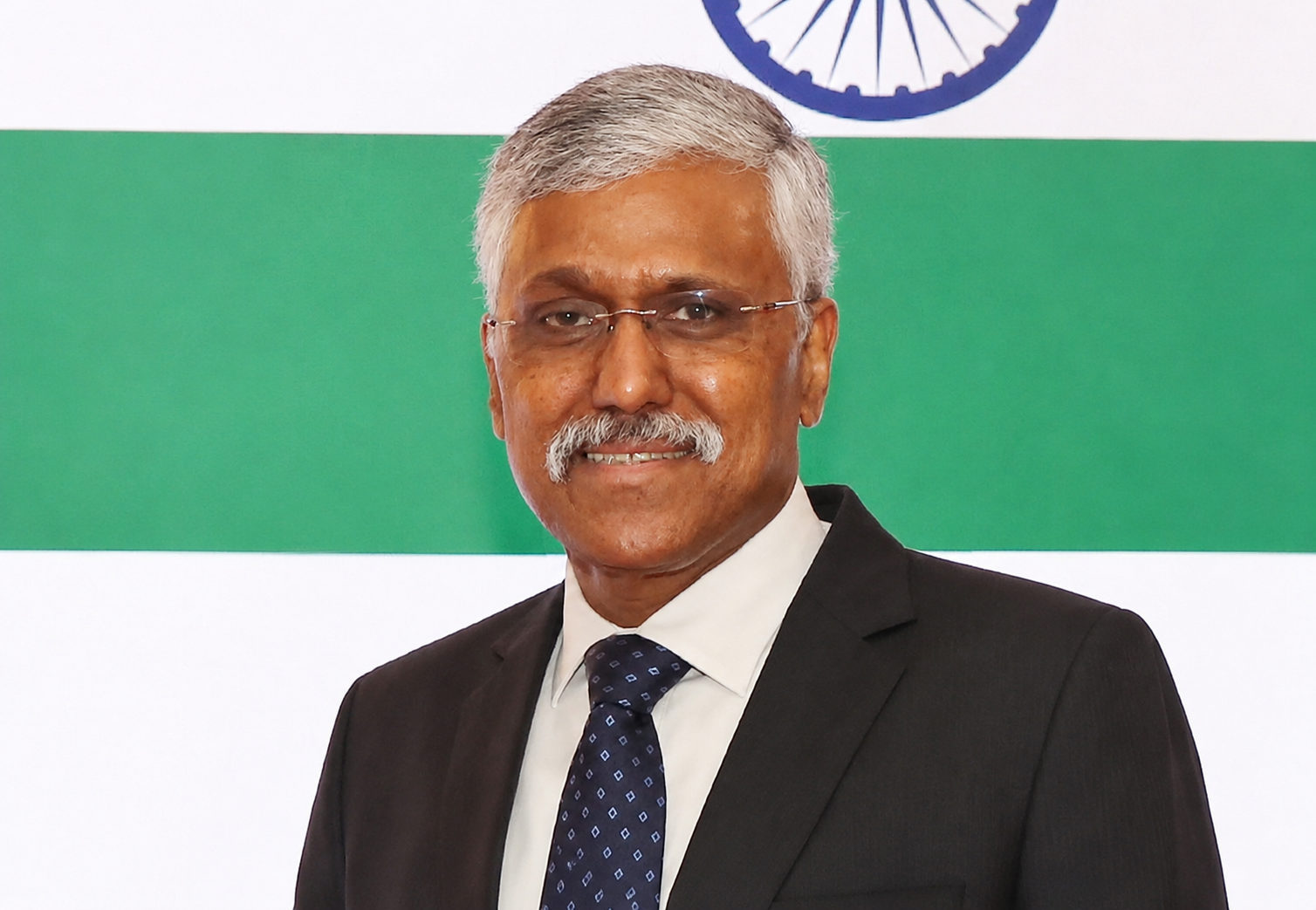
From the rapid evolution of modern warfare to the challenges of defence procurement, theatre commands and the growth of India’s military-industrial ecosystem, the transformation underway is reshaping both the armed forces and the broader economy. On the sidelines of the National Defence Innovation Conclave 2026, organised by T-Works at its headquarters in Hyderabad on July 8, 2026, Anoop Verma spoke with Giridhar Aramane, Former Defence Secretary, Government of India.
In this conversation, Giridhar Aramane shares his insights on the rise of India’s defence startup ecosystem, lessons from recent conflicts, the future of theatreisation, transparent defence procurement, technological innovation and the government’s vision for building a globally competitive indigenous defence industry.
Edited excerpts:
You served as Defence Secretary in a period when the government launched several initiatives to strengthen India’s defence startup ecosystem, including schemes such as iDEX. Looking back, how do you assess the contribution of startups to India’s defence innovation ecosystem?
Startups are the lifeblood of India’s innovation ecosystem. They have emerged as one of the most important sources of research, development and technological innovation for the defence sector. If you compare the energy, commitment and investment being made by startups with many large corporations, the contrast is striking.
In terms of manpower, infrastructure and innovation, startups are contributing far beyond their size. They demonstrate remarkable eagerness and aspiration to support national security while growing alongside India’s economy. Their role in developing indigenous technologies will only become more significant in the coming years.
The ongoing conflicts in regions such as the Middle East and the lessons from Ukraine have transformed perceptions of modern warfare. What are the key lessons that India should draw from these conflicts?
The first lesson is that we must remain constantly vigilant. In today’s geopolitical environment, there is effectively no global policeman. Every nation is pursuing its own strategic interests. Therefore, India’s armed forces must maintain the highest level of operational readiness to deal with every possible contingency.
The second lesson concerns the rapid evolution of military technology. Technologies that are considered cutting-edge today can become obsolete tomorrow. Military forces, governments and defence industries must therefore remain agile, continuously investing in research, upgrading existing systems and adapting tactics and doctrine to changing technologies.
The third lesson is about integration. There is a tendency to believe that smaller systems such as drones will completely replace large military platforms. That is not correct. Conflicts in Ukraine and the Middle East have demonstrated that both large and small platforms have important roles.
India has already witnessed the strategic value of precision long-range systems. A single accurately employed BrahMos missile can significantly alter the adversary’s military calculations. At the same time, smaller systems such as drones, loitering munitions and directed-energy weapons can efficiently counter tactical threats at much lower costs.
The future battlefield will require a balanced combination of large platforms, smaller autonomous systems and integrated air defence. What will matter most is how effectively these capabilities are fused through integrated sensors, command-and-control networks and decision-making systems across the Army, Navy, Air Force, Coast Guard and civilian infrastructure.
Theatre commands have been under discussion for several years. Why has India adopted a gradual approach instead of implementing theatre commands rapidly?
Theatre command restructuring is one of the most significant military reforms India has undertaken. Such a transformation cannot be rushed because it has profound implications for operational effectiveness.
India has studied different international models. China has reorganised its theatre commands several times after implementation. The United States follows a completely different model based largely on overseas theatre commands established under the Goldwater-Nichols Act. India’s security requirements are unique. Our armed forces primarily defend our own territory rather than operate overseas. Therefore, we need an indigenous model suited to our strategic circumstances.
There are genuine operational questions that require careful examination. For example, the Indian Air Force has argued that with limited fighter squadrons, dividing assets permanently among multiple theatre commands may reduce operational flexibility. Such issues require extensive consultation between the armed forces, the Chief of Defence Staff and the Ministry of Defence.
Meanwhile, important progress is already being made through greater jointness. Joint operational planning, logistics, procurement and integration of support services are steadily advancing under the leadership of the Chief of Defence Staff. India is therefore moving towards theatreisation through a gradual and carefully calibrated process.
Defence procurement has historically attracted controversy in India. However in the last few years major acquisitions have proceeded without significant public controversy. What changes helped improve the procurement process?
The government’s foremost priority has been transparency. Successive Defence Ministers—Manohar Parrikar, Nirmala Sitharaman and Rajnath Singh—placed great emphasis on ensuring that procurement decisions remained transparent and open to scrutiny. The Prime Minister’s Office also closely monitored major procurement decisions to ensure fairness and integrity.
Another major change has been the emphasis on domestic procurement. Nearly 70 to 75 per cent of procurement is now sourced from Indian industry through competitive tendering. Public sector enterprises compete alongside private companies, creating a transparent and competitive environment. This has substantially reduced dependence on foreign procurement and strengthened confidence in the procurement system.
Defence technology evolves extremely rapidly. How does the government decide which emerging technologies deserve investment when there is always a risk of technological obsolescence?
Technological obsolescence is an inherent challenge in defence planning. Even after placing an order today, a platform may take several years before entering service. During that period, newer technologies may emerge elsewhere. The solution is continuous upgradation. Existing platforms should not remain static. Throughout their production and service life, new technologies, sensors and weapons must be incorporated whenever feasible.
Take the Su-30MKI as an example. Although it has served for many years, it has continuously received capability upgrades, and further modernisation is planned. The armed forces and industry must remain committed to improving existing platforms throughout their lifecycle rather than treating procurement as a one-time exercise.
Defence is increasingly being viewed not merely as a security requirement but also as an engine of economic growth, innovation and employment. How did this shift in thinking emerge?
The Prime Minister has consistently emphasised that taxpayers’ money should create value within India. Every rupee spent on indigenous manufacturing generates multiple times its value in economic activity, employment and industrial capability. In contrast, money spent on imports permanently leaves the economy.
This clear policy direction has encouraged Indian industry to invest aggressively in defence manufacturing. The remarkable growth of defence companies, both public and private, reflects this confidence. Companies such as HAL, BEL, Bharat Dynamics, L&T, Tata and several others have expanded significantly, while the corporatised former Ordnance Factories now have strong order books and most are profitable.
This policy has also stimulated innovation. Historically, military research has driven technological breakthroughs in many advanced economies. India is beginning to witness a similar trend. Young entrepreneurs are developing drones, propulsion systems, advanced motors and numerous other technologies with applications extending beyond defence into civilian industries.
When the government commits to buying indigenous products, it creates a virtuous cycle where defence investment strengthens manufacturing capability, promotes innovation and generates technologies that benefit the wider economy.
What message would you like to leave for India’s defence innovation ecosystem?
India’s future defence capability will depend on the strength of its domestic innovation ecosystem. Government, industry, startups, academia and the armed forces must continue working together to develop indigenous technologies. Innovation, self-reliance and continuous technological adaptation will remain the foundation of India’s long-term national security and strategic autonomy.