Indian Railways has unveiled another major round of structural reforms aimed at transforming the country’s freight ecosystem, signalling that the government’s railway modernisation agenda is increasingly shifting from passenger-centric improvements to logistics efficiency, private sector participation and supply-chain optimisation.
The latest package of eight reforms, announced by Railway Minister Ashwini Vaishnaw, expands the Ministry’s “Reform Express” initiative to 17 structural reforms, with a clear emphasis on reducing logistics costs, promoting containerisation, encouraging innovation and making rail freight more competitive against road transport.
The announcement comes at a time when Indian Railways is undergoing one of the most extensive transformations in its history. Alongside record capital expenditure, completion of the Dedicated Freight Corridors, rapid network electrification and station redevelopment, the government is attempting to reshape the institutional and commercial framework governing railway operations.
Rather than focusing solely on infrastructure creation, the latest reforms seek to simplify regulations, attract private investment and improve operational efficiency across the freight value chain.
Speaking in New Delhi, Vaishnaw said the reforms form part of the Ministry’s broader objective of implementing 52 reforms in 52 weeks to build a future-ready railway ecosystem. According to the Minister, earlier reforms introduced under the Reform Express programme have already begun delivering encouraging results, prompting the government to accelerate the pace of policy changes.
Freight takes centre stage
The common thread running through the latest reforms is freight. For decades, Indian Railways has relied heavily on bulk commodities such as coal, iron ore and cement for freight revenues, while road transport steadily expanded its share in containerised and high-value cargo. The new reforms attempt to reverse that trend by making rail transport more flexible, commercially attractive and technologically modern.
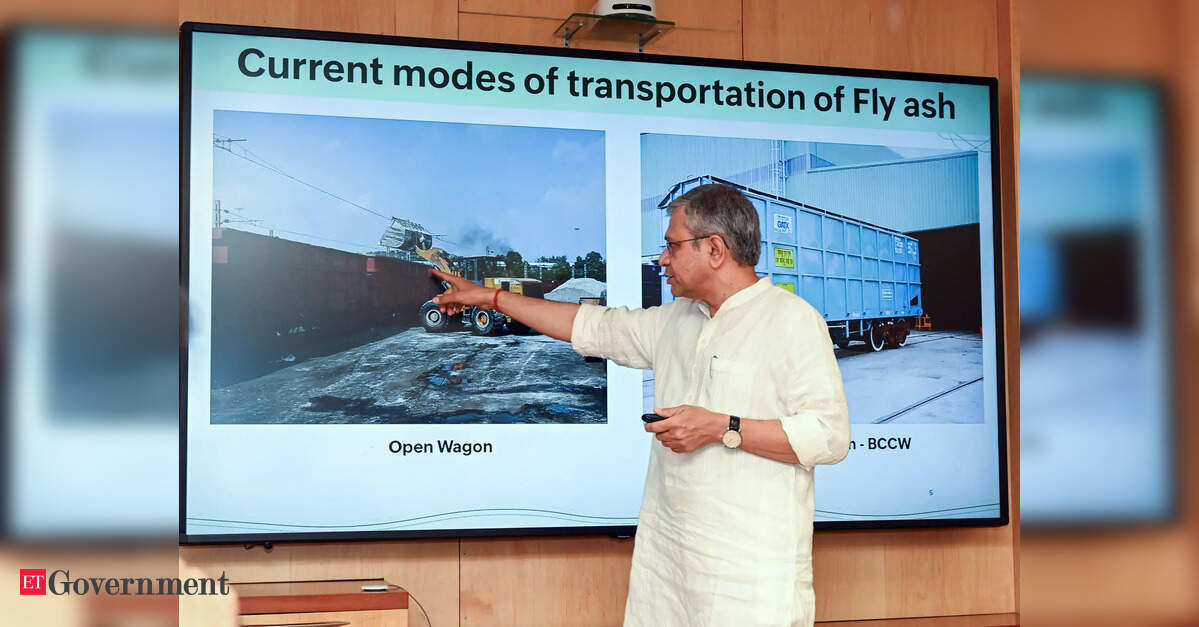
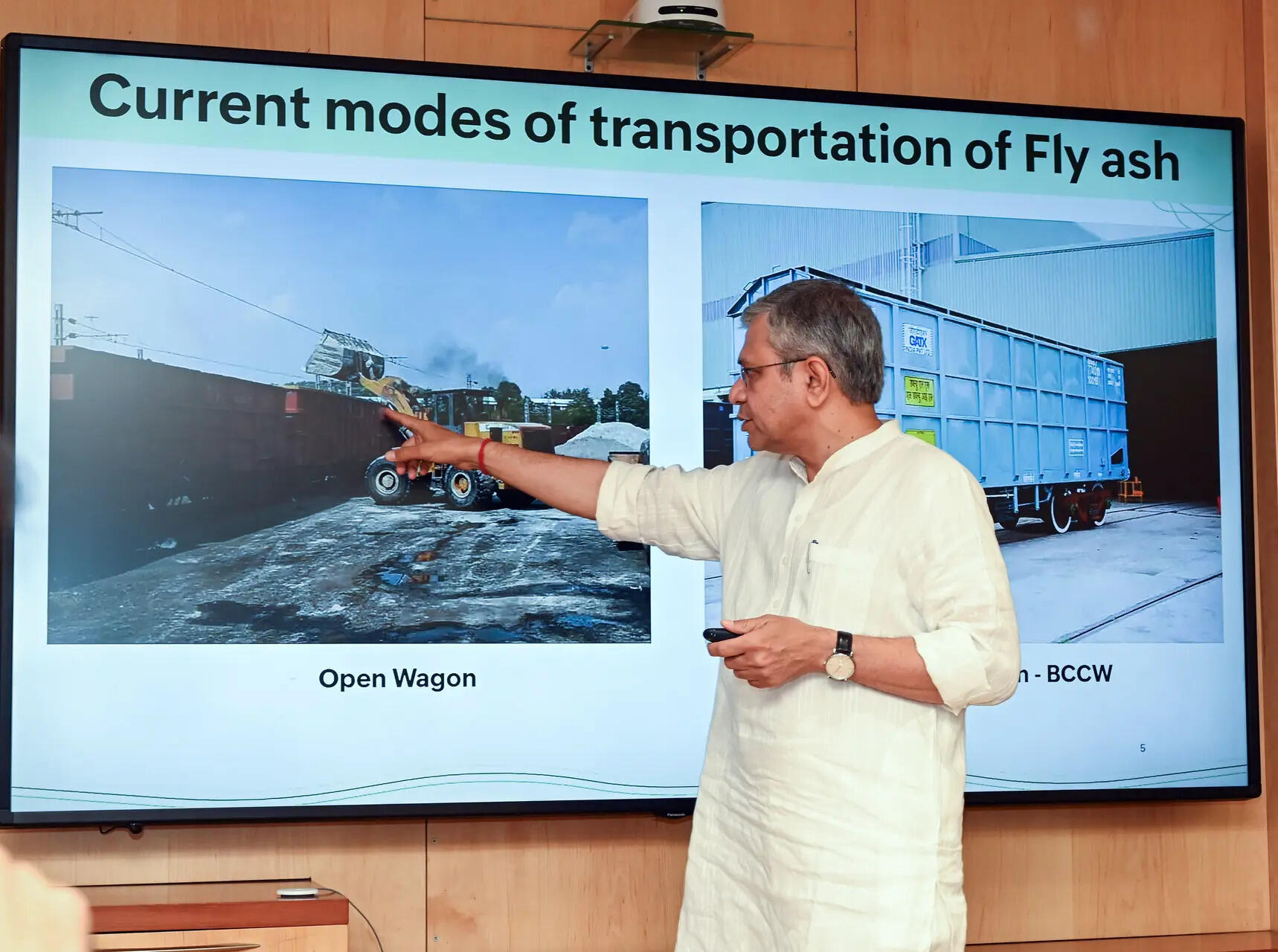
One of the most significant reforms introduces containerised transportation for fly ash, a by-product of thermal power generation that has traditionally been transported in open wagons. India generates nearly 340 million tonnes of fly ash every year, but Indian Railways currently transports only around 13 million tonnes. Open transportation has long created dust pollution and handling challenges.
Under the new policy, specially designed ISO-standard containers will enable closed, pollution-free movement of fly ash directly from thermal power plants to cement manufacturers. The containers can be loaded and unloaded mechanically without releasing dust into the environment, improving logistics while addressing an important environmental concern.
Beyond environmental benefits, the reform reflects a broader shift towards multimodal logistics. Containerisation allows freight to move seamlessly between rail and road while reducing cargo losses, improving handling efficiency and enabling flexible storage.
Simplifying the business of rail freight
Another important reform targets the container train operator licensing regime. Previously, operators had to navigate four separate licence categories with varying registration fees and operational restrictions. The government has replaced this fragmented framework with a single unified Pan-India licence allowing operators to run trains anywhere on the railway network. Registration has also been simplified through a uniform ₹25 crore fee.
From an industry perspective, the reform is expected to reduce regulatory complexity while improving ease of doing business for logistics companies and private freight operators. The government hopes the simplified licensing regime will encourage greater private participation, increase container traffic and help diversify railway freight beyond traditional bulk commodities.
The reform also aligns with India’s broader logistics ambitions. Successive governments have sought to reduce national logistics costs as a percentage of GDP by encouraging greater use of railways and waterways for long-distance freight movement. Containerisation plays an important role in achieving that objective because it reduces cargo handling time, improves reliability and supports integrated supply chains.
Agriculture and essential commodities
The freight reforms extend beyond industrial cargo. Indian Railways currently transports around 85 per cent of India’s fertilisers, making efficient logistics critical for agricultural supply chains. Under the revised policy, the existing freight tariff structure—previously spread across nearly fifty slabs—has been simplified into a per-tonne-per-kilometre model.
Equally significant is the decision to permit containerised movement of fertilisers. Instead of detaining an entire rake until unloading is completed, individual containers can now be unloaded according to demand, allowing distributors greater operational flexibility while improving wagon utilisation.
A similar approach has been adopted for foodgrains, flour and pulses. The new policy introduces simplified freight tariffs while permitting container-based transportation, enabling phased distribution, improved storage and reduced contamination risks. Since containers remain sealed during transit, the reform also enhances food safety while reducing cargo losses.
Together, these measures indicate a shift away from traditional rake-based freight operations towards more demand-driven logistics that better reflects modern supply-chain requirements.
Creating a skilled railway workforce
Infrastructure expansion alone cannot ensure quality execution without skilled manpower.
Recognising this, Indian Railways has introduced a nationwide policy for certification of artisans engaged in railway projects. Workers involved in specialised trades—including welding, masonry and fitting—will undergo structured assessments before receiving QR code-enabled digital certificates linked to an online verification database.
Initially, the programme will focus on technically demanding projects such as bridges and tunnels before being expanded across the railway network over the next two years. The initiative is expected to standardise skill assessment while improving workmanship and construction quality.
The reform complements the government’s broader emphasis on workforce skilling under programmes such as Skill India while addressing the specific technical requirements of railway infrastructure.
Construction reforms target execution delays
Large railway projects have historically faced delays arising from land acquisition, contractual disputes and inconsistent construction quality. The latest reforms attempt to address several of these challenges simultaneously.
Performance security will now be collected upfront rather than through deductions from running bills, ensuring that only financially serious contractors participate in railway projects. Contractors involved in litigation exceeding half of their net worth will also become ineligible to bid for railway tenders.
The Ministry has further introduced mandatory Contractor’s All Risk Insurance and Professional Indemnity Insurance to strengthen risk management during project execution.
Perhaps equally important is the strengthening of digital project management through Rail Bhoomi, an integrated land acquisition platform developed by CRIS. The portal connects multiple railway digital systems, enabling online workflow management and real-time monitoring of land acquisition processes.
If implemented effectively, these reforms could reduce one of the biggest bottlenecks affecting infrastructure delivery—delays in obtaining land and resolving contractual disputes.
Opening the door to innovation
For decades, wagon design within Indian Railways has largely followed standardised templates developed by the Research Designs and Standards Organisation (RDSO). The new wagon design approval policy introduces a more industry-driven approach.
Private manufacturers and designers will now be permitted to develop customised wagon designs suited for specific commodities such as petroleum products, steel, chemicals, plastics and milk. Following technical evaluation, prototype testing and safety certification, these wagons can enter commercial service.
The policy represents a shift from centralised design control towards innovation-led industrial participation. By encouraging specialised wagon development, Indian Railways aims to improve freight efficiency across diverse industrial sectors while creating new opportunities for domestic manufacturing.
Greater flexibility for petroleum logistics
Another notable reform concerns petroleum transportation. Until now, specialised tank wagons were largely owned by Indian Railways. Under the revised policy, oil companies can directly procure or lease specialised tank wagons tailored to their operational needs and deploy them on the railway network.
The reform offers greater flexibility for petroleum logistics while potentially reducing transportation costs, product losses and risks associated with long-distance road movement.
A broader freight strategy
Although each reform addresses a specific operational challenge, together they reflect a broader strategic direction.
Indian Railways is gradually moving from being primarily a transporter of bulk commodities to becoming an integrated logistics platform capable of supporting modern manufacturing, agriculture, e-commerce and industrial supply chains.
The completion of the Eastern and Western Dedicated Freight Corridors has significantly increased freight capacity while separating cargo movement from passenger operations. Combined with digital platforms, simplified regulations and containerisation, the latest reforms aim to leverage that infrastructure more effectively.
Environmental considerations also feature prominently. The Ministry notes that rail transport generates nearly 90 per cent lower carbon emissions than road transport, making modal shift an important component of India’s climate and sustainability objectives. Containerisation of commodities such as fly ash and fertilisers further reduces dust pollution, product losses and handling inefficiencies.
Challenges ahead
While the policy direction has been widely welcomed, implementation will determine whether these reforms deliver measurable outcomes.
Several initiatives—including private wagon design, containerisation and unified licensing—depend on industry participation and investment. Logistics operators, manufacturers and freight customers will need confidence that regulatory certainty, infrastructure availability and operational flexibility remain consistent over time.
Similarly, digital platforms such as Rail Bhoomi will need effective integration with state governments and local authorities to meaningfully reduce project delays. The skilling initiative will also require sustained institutional capacity to certify thousands of workers while maintaining uniform quality standards across India’s vast railway network.
The road ahead
The latest phase of Reform Express demonstrates that Indian Railways is attempting to modernise not only its infrastructure but also the regulatory architecture governing freight operations.
Rather than relying solely on large capital investments, the government is increasingly using policy reforms to improve efficiency, simplify business processes and attract private participation. Cleaner freight movement, simplified licensing, digital project management, flexible logistics and industry-led innovation all point towards a railway system designed to compete more effectively within India’s evolving logistics landscape.
Whether these reforms ultimately translate into higher freight volumes, lower logistics costs and greater private investment will become clearer over the coming years. Nevertheless, the package represents a comprehensive attempt to reshape the commercial foundations of India’s freight railway system, complementing the country’s broader efforts to build a faster, cleaner and more integrated transport network.