 “>
“>India and the United Kingdom have dismantled a substantial part of the tariff wall separating two of the world’s largest economies.
With the Comprehensive Economic and Trade Agreement coming into force on July 15, 2026, Indian garments, footwear, marine products, engineering goods and processed foods have secured easier access to the British market, while UK automobiles, whisky, cosmetics and advanced machinery will enter India at progressively lower duties. But CETA’s real significance extends far beyond cheaper imports and preferential tariffs: it creates a new framework for services, professional mobility, digital commerce, investment and supply-chain integration.
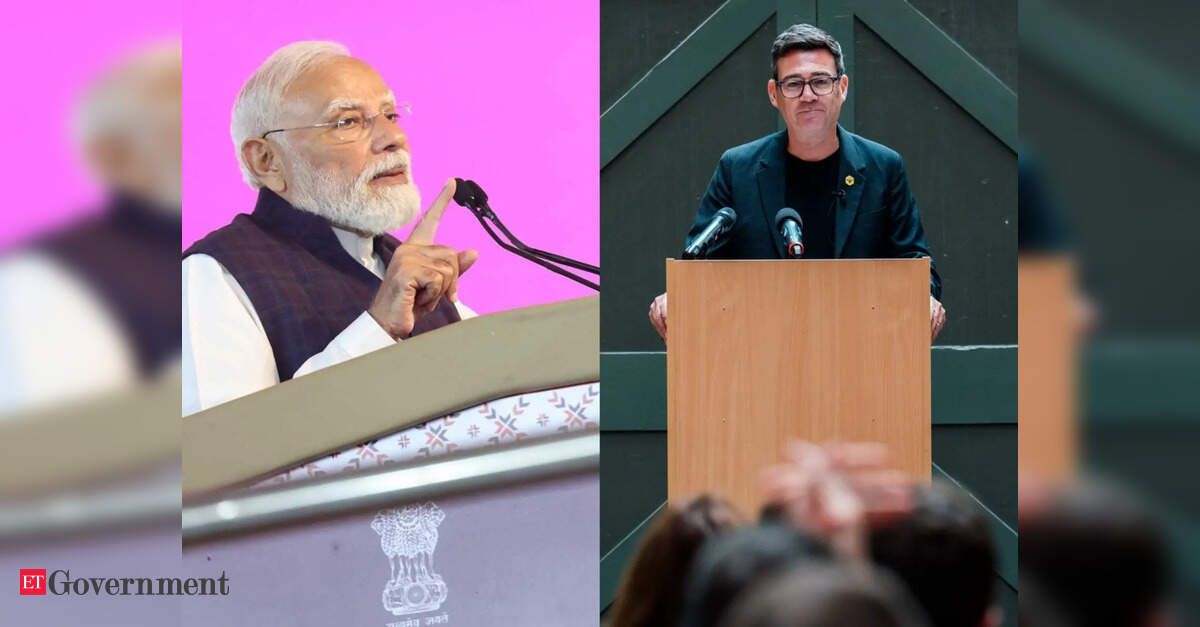
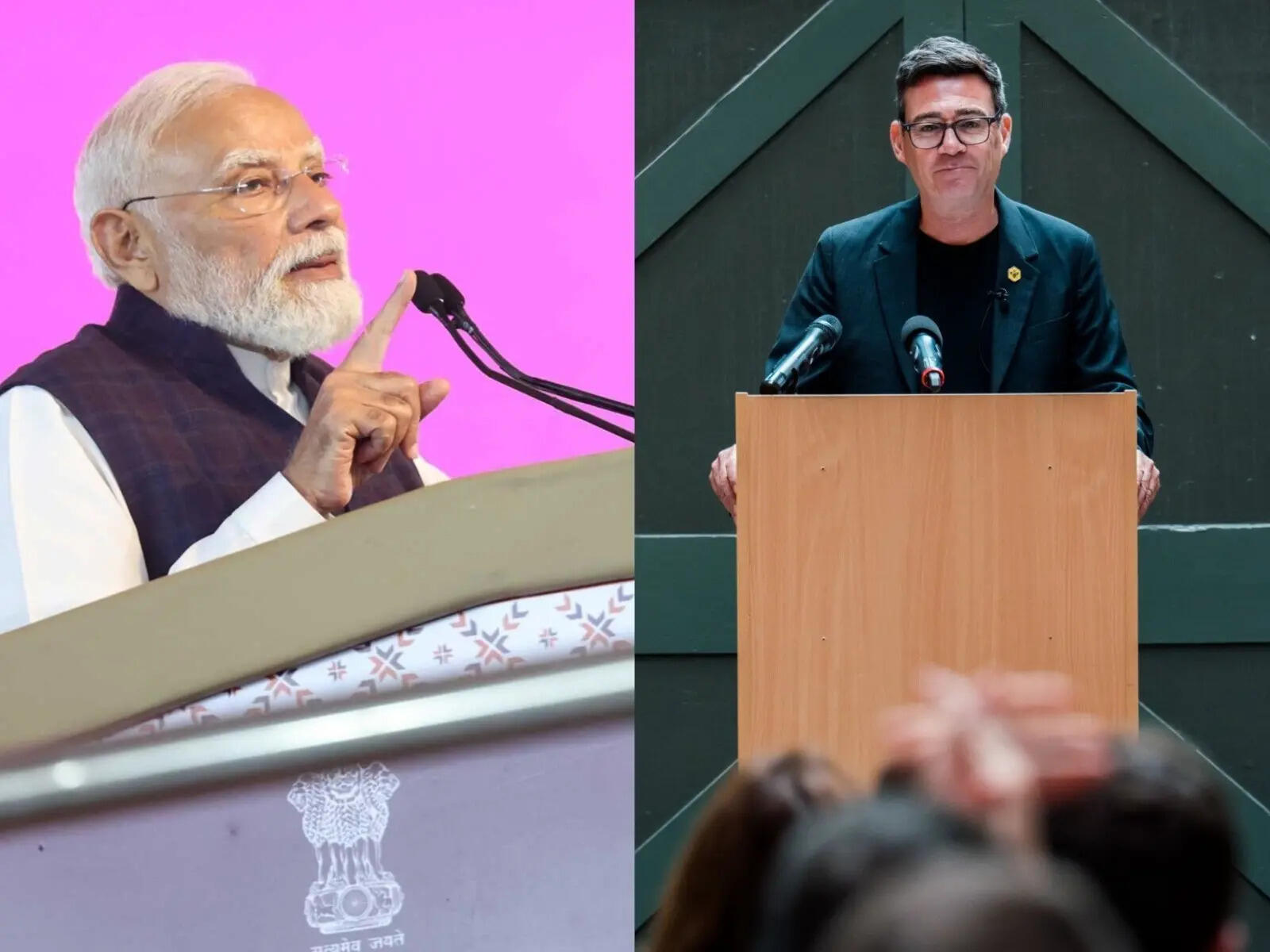
The agreement is the product of a process that began with the Enhanced Trade Partnership and India–UK Roadmap 2030 in May 2021. Negotiations were concluded after 14 rounds on May 6, 2025, and CETA was signed in London on July 24, 2025, in the presence of Prime Minister Narendra Modi and British Prime Minister Andy Burnham. Following ratification and completion of domestic procedures, the agreement became operational alongside the Double Contribution Convention, which addresses social-security payments for temporarily posted workers.
The timing is important. International trade is becoming increasingly fragmented by tariff disputes, geopolitical tensions, industrial subsidies and efforts to relocate strategic supply chains. India is seeking dependable markets for its expanding manufacturing and services sectors, while post-Brexit Britain needs deeper commercial partnerships with high-growth economies. CETA gives both countries a rules-based economic bridge at a moment when the global trading system is under pressure.
Bilateral trade was estimated at nearly $56 billion around the time the agreement was signed. India and the UK have set a goal of doubling it to $100 billion by 2030. The British government’s long-term modelling suggests that the agreement could increase bilateral trade by £25.5 billion annually, raise India’s GDP by about £5.1 billion and add approximately £4.8 billion to UK GDP every year. These estimates are projections rather than guaranteed outcomes, but they indicate the scale of opportunity created by lower barriers.
For India, the most visible gain is immediate duty-free access for approximately 99 per cent of its exports to the UK, covering almost the entire value of the existing trade basket. Earlier British tariffs of up to 12 per cent on textiles and clothing, 16 per cent on leather and footwear, 21.5 per cent on marine products, 18 per cent on engineering goods and auto components, 70 per cent on some processed foods, and 8 per cent on chemicals and pharmaceuticals have been eliminated.
This could restore some of the competitiveness Indian producers had lost to exporters from countries enjoying preferential access to Britain. Labour-intensive industries—including garments, leather, footwear, gems and jewellery, sports goods, toys and seafood—stand to benefit particularly strongly. Because these sectors are closely connected to MSMEs and regional manufacturing clusters, export growth could have a wider impact on employment and local incomes.
British economic modelling estimates that UK imports from India in textiles, apparel and leather could eventually rise by approximately £2.9 billion. Yet zero tariffs alone will not automatically produce such gains. Indian businesses must satisfy rules of origin, British product standards, sustainability requirements, customs documentation and buyer expectations. Smaller companies will require information, affordable certification facilities, export finance and logistical support if CETA is to become an MSME agreement in practice rather than predominantly an opportunity for large exporters.
India has also opened its market, although in a calibrated manner. After the agreed transition periods, 85 per cent of tariff lines and 66 per cent of existing British exports to India will qualify for duty-free treatment. India’s average tariff on UK products is expected to fall substantially.
The most publicised concessions concern Scotch whisky and automobiles. Duties on whisky have fallen from 150 per cent to 75 per cent and will decline to 40 per cent over ten years. British automobile manufacturers will receive quota-based access at tariffs reduced from as high as 110 per cent to 10 per cent. Tariffs on machinery, medical devices, cosmetics and several food and beverage products will also be reduced or removed.
These concessions could increase consumer choice and encourage commercial partnerships, but they have been structured to limit sudden disruption to domestic producers. India has excluded or protected sensitive areas such as dairy products, cereals, millets, edible oils, oilseeds, pulses, apples and several vegetables. The phased automobile concessions and quotas reflect the need to balance market opening with India’s manufacturing and electric-mobility ambitions.
Services may ultimately generate more value than goods. The UK has made commitments across 137 services subsectors of interest to India, including information technology, IT-enabled services, finance, professional services, healthcare, education, engineering, telecommunications and consultancy. The agreement also provides more predictable entry routes for business visitors, intra-corporate transferees, contractual service suppliers, independent professionals and investors. Dedicated annual opportunities have been created for 1,800 Indian chefs, yoga instructors and classical musicians.
The companion Double Contribution Convention strengthens this package. Indian employees posted temporarily in Britain, and their employers, will not be required to make social-security contributions in both countries for assignments lasting up to five years. According to the Indian government, more than 75,000 professionals and over 900 companies could benefit. This can lower the cost of deploying skilled workers and make Indian service providers more competitive.
However, mobility commitments should not be confused with unrestricted migration. Visa eligibility, professional licensing and domestic regulation will continue to apply. The full benefits will depend on simplified administrative processes and progress on the mutual recognition of qualifications. An engineer, architect, lawyer or healthcare professional gains little from theoretical market access if accreditation remains costly or uncertain.
CETA is also a digital-trade agreement. Its 30 chapters address electronic transactions, telecommunications, financial services, intellectual property, innovation, government procurement, SMEs, labour, environment, transparency and anti-corruption. The digital provisions support legally valid electronic contracts, signatures, seals and documents, while encouraging paperless customs procedures, electronic invoicing and cooperation on consumer protection, cybersecurity, artificial intelligence and other emerging technologies.
This is especially consequential for India, which exported an estimated $328 billion in digitally delivered services in 2025, making it the world’s fourth-largest exporter in this category. More predictable digital rules can reduce transaction costs for technology companies and professional-service exporters. But implementation will require India to improve interoperability, cross-border authentication, data governance and cybersecurity while preserving legitimate regulatory space for privacy and national security.
New barriers could also dilute tariff preferences. Carbon-related measures, technical standards, sanitary rules and trade-remedy actions are increasingly shaping access to developed markets. The arrangement reached to protect most Indian steel exports from new British measures demonstrates that trade agreements require continuous negotiation even after they enter into force.
CETA therefore marks the beginning of a demanding commercial phase, not the completion of one. Its success should be measured not only by headline trade figures but by preference utilisation, MSME participation, export diversification, investment flows, professional mobility and the creation of durable supply chains. If governments reduce regulatory friction and businesses improve quality and scale, the agreement can turn the India–UK relationship into a modern economic partnership. If implementation falters, even generous tariff concessions may remain underused.