

Key Takeaways
- Choose two or three main bases rather than changing hotels every night.
- Build the route around trip length, transport connections, and the season.
- Pair a coastal city with an island stay and an inland nature experience when time allows.
- Check ferry schedules before booking island accommodation, especially outside summer.
- Look beyond the busiest hotspots for smaller islands, inland towns, and regional food experiences.
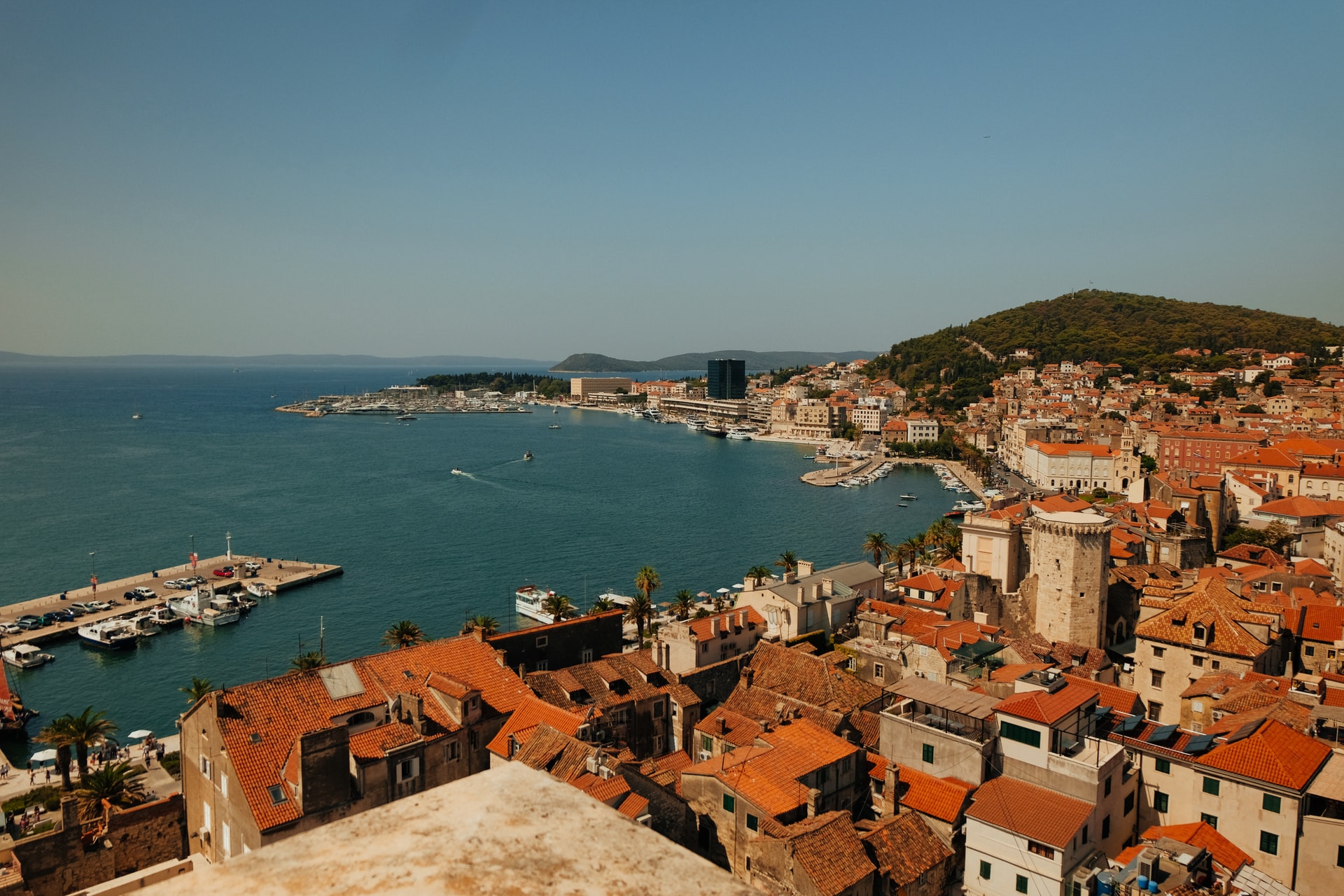
Croatia can deliver ancient cities, clear-water swimming, island villages, national parks, and memorable local food in one trip. The challenge is that these experiences are spread across a long coastline and several distinct regions. Travelers considering Croatia tour packages can use a well-paced route to see the country’s highlights without turning every day into a transfer day. The best Croatia itinerary is rarely the one with the most stops. A stronger plan leaves enough time to wander an old town after breakfast, take an unhurried swim, enjoy a late dinner at a neighborhood konoba, and adapt if the weather changes a ferry schedule. Start with the experiences that matter most, then remove anything that creates more stress than value.
Why a Balanced Croatia Trip Works Better
Croatia offers several trips within one country. Dubrovnik and Split suit travelers drawn to history and coastal energy, while Istria appeals to food lovers and visitors who prefer hill towns, vineyards, and a slower pace. Northern Dalmatia offers a more relaxed gateway to islands and parks, while Zagreb and inland Croatia add museums, markets, forests, and a Central European atmosphere. Trying to combine every region in a single week usually means long drives, rushed sightseeing, and too little time near the water. Instead, choose a clear travel rhythm. For most visitors, two or three overnight bases are enough to create a varied trip while preserving time for spontaneous discoveries.
Start With the Trip Length
Five to Seven Days
Stay within one main area. Southern Dalmatia works well for Dubrovnik plus one nearby island or coastal town. Central Dalmatia can center on Split, with a day trip to an island or a nature excursion. Use one main hotel base whenever possible, especially if the trip includes only a few full days.
Eight to Ten Days
This is a comfortable length for combining a historic city, an island stay, and an inland attraction. Spend at least two nights in most places, and consider a one-way route, such as arriving in Dubrovnik and departing from Split, if flight options make sense. A route with fewer backtracks feels far more relaxed.
Eleven to Fourteen Days
In two weeks, add Istria, Zagreb, Plitvice-area nature, or a quieter section of the coast. This is also the right length for travelers who want full beach days, walking trails, wine tastings, and open afternoons. Keep the final night close to the departure airport if an early flight is involved.
Pick a Region Before Picking a Hotel
- Southern Dalmatia: Best for walled towns, dramatic coastal scenery, island excursions, and historic architecture.
- Central Dalmatia: A practical choice for Split, Roman history, ferry access, beaches, and active day trips.
- Northern Dalmatia: Ideal for smaller coastal towns, sunsets, national parks, and a quieter island-focused route.
- Istria: Well-suited to truffles, olive oil, wine, hill towns, and travelers who enjoy food and countryside.
- Zagreb and inland Croatia: Good for cafés, museums, markets, lakes, and a break from the coastal summer crowds.
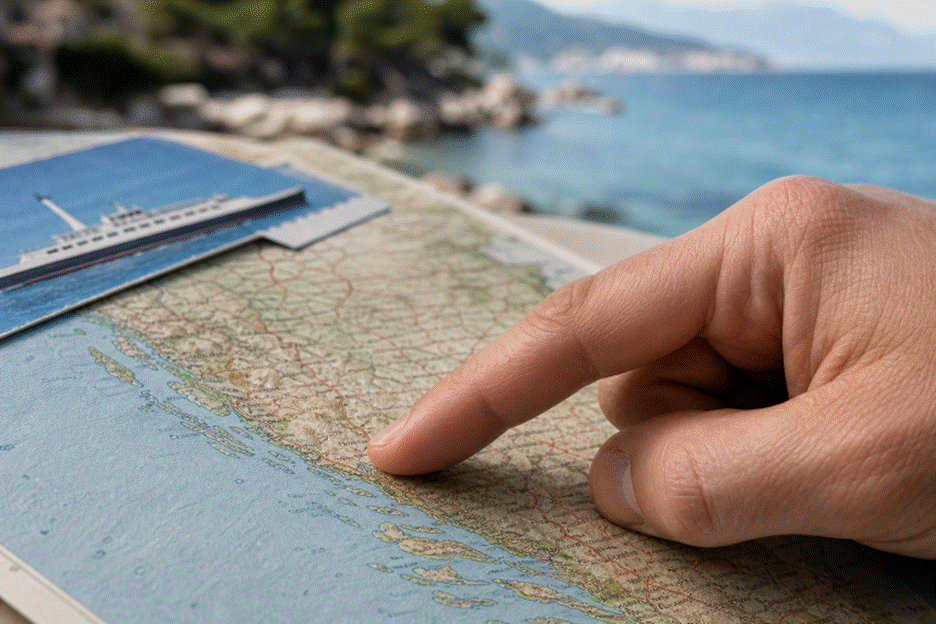
Build the Route Around Real Travel Time
- Choose arrival and departure airports first.
- Select the two places that matter most.
- Add only one or two logical stops between them.
- Check driving, bus, catamaran, and ferry times before reserving lodging.
- Leave room for late arrivals, traffic, rough seas, and slower travel days.
A short distance on a map can still involve a bus ride, a port transfer, a ferry crossing, and a walk through a car-free old town. Islands should be added according to available connections, not simply because they look close to each other.
Plan Island Time Without Overloading the Schedule
A day trip works best for travelers who want a quick taste of island scenery without having to move luggage. A two-night island stay is better for swimming, quiet mornings, and seeing a place after day visitors leave. Longer stays make sense when beach time and a slower routine are central to the trip. Choose islands by style, not popularity alone. Some are better for lively waterfronts and nightlife, while others suit cycling, hiking, family beaches, fishing villages, or peaceful coves.
Mix Coastal Cities With Inland Nature
Adding one inland day makes a trip to Croatia feel much more complete. Lakes, waterfalls, forest trails, caves, and mountain viewpoints provide a welcome contrast to stone streets and beach time. Plan a full day for a national park instead of treating it as a rushed stop between hotels. Rental cars can be useful for rural areas and parks, but they are often inconvenient in historic centers. Buses, private transfers, guided excursions, and ferries may be easier when the route focuses on coastal cities. If driving, check the parking before choosing accommodation.
Choose the Right Season
Late Spring
May and early June are excellent for walking, sightseeing, and outdoor activities. The sea may still be cool, and some island services may operate on reduced schedules.
Summer
July and August bring the warmest swimming conditions, frequent boat trips, and a lively atmosphere. They also bring stronger sun, higher prices, and busier historic centers. Book popular lodging, ferries, and major attractions well ahead.
Early Autumn
September and early October often offer warm weather with a calmer pace. This is a particularly appealing period for coastal walks, food, wine, and travelers who want both sightseeing and swimming.
Winter
Winter is best for Zagreb, museums, restaurants, and seasonal events. Many coastal businesses and island connections operate less frequently, so it is not the ideal season for a classic island-hopping holiday.
Make Smarter Choices in 2026
Interest in Croatia increasingly extends beyond the best-known coastal centers. Smaller islands, local festivals, regional food routes, and less-visited towns can offer a more personal experience while spreading visitors beyond the most crowded areas. A recent Croatia travel update also points travelers toward destinations beyond the traditional hotspots. Let food and culture influence the route. Istria is a natural choice for olive oil, wine, truffles, and hill-town dining. The islands and Dalmatian coast reward travelers who leave evenings open for seafood, local cheese, grilled dishes, and family-run restaurants. Respect local communities by dressing appropriately at religious sites, following park rules, and avoiding noisy behavior in small villages.
Common Planning Mistakes to Avoid
- Trying to see the entire country in one week.
- Booking an island hotel before checking the return ferry.
- Changing accommodation every night.
- Ignoring the travel time between airports, ports, and old towns.
- Scheduling outdoor sightseeing in the hottest afternoon hours.
- Assuming all ferry routes run year-round.
A Simple Step-by-Step Planning Method
- Decide whether the trip should feel active, relaxed, or mixed.
- Choose one region, or two neighboring regions, for a longer trip.
- Pick two or three anchor stops.
- Add one special experience, such as a boat ride, park visit, food tour, or island stay.
- Confirm transport before booking every hotel.
- Protect at least one open block of time every few days.
Frequently Asked Questions
How many days are enough for Croatia?
One week is enough for one region and one or two side trips. Ten days allow a city, an island, and an inland stop. Two weeks can include several regions without making the itinerary feel rushed.
Should travelers rent a car?
A car is helpful in Istria and inland areas, but less useful in Dubrovnik, Split, and some islands. Use it where it saves time, not automatically for the entire trip.
Is island hopping worth it?
It is worthwhile for travelers who enjoy ferry travel and variety. Others may prefer one longer island stay, which offers more time to settle into local life.
Conclusion
A well-paced trip to Croatia gives each destination enough time to feel distinct rather than becoming just another quick stop on a busy schedule. Choose fewer bases, respect ferry schedules and travel times, and balance famous cities with islands, national parks, coastal villages, and authentic local food experiences. Leaving room for flexible afternoons, scenic walks, waterfront cafés, and spontaneous discoveries often creates the most memorable moments. Planning around the seasons, accommodation availability, and transportation options can also make travel smoother and more enjoyable. The result is a 2026 itinerary that combines Croatia’s iconic landmarks with slower, meaningful experiences that let you appreciate its landscapes, history, culture, and relaxed Adriatic lifestyle.
