

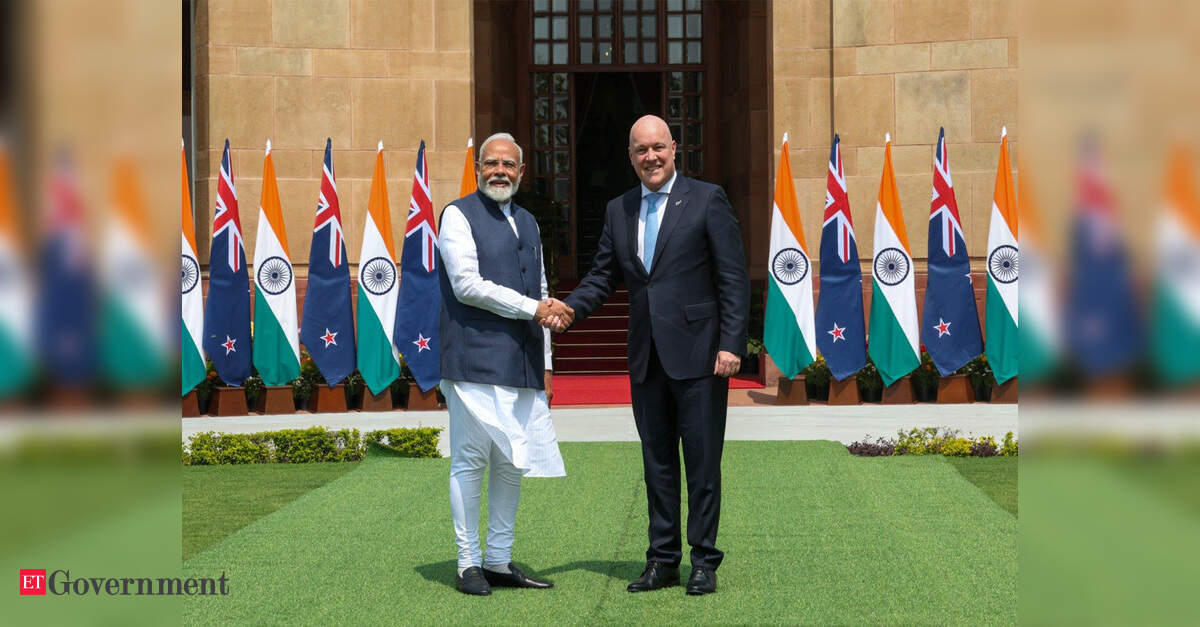
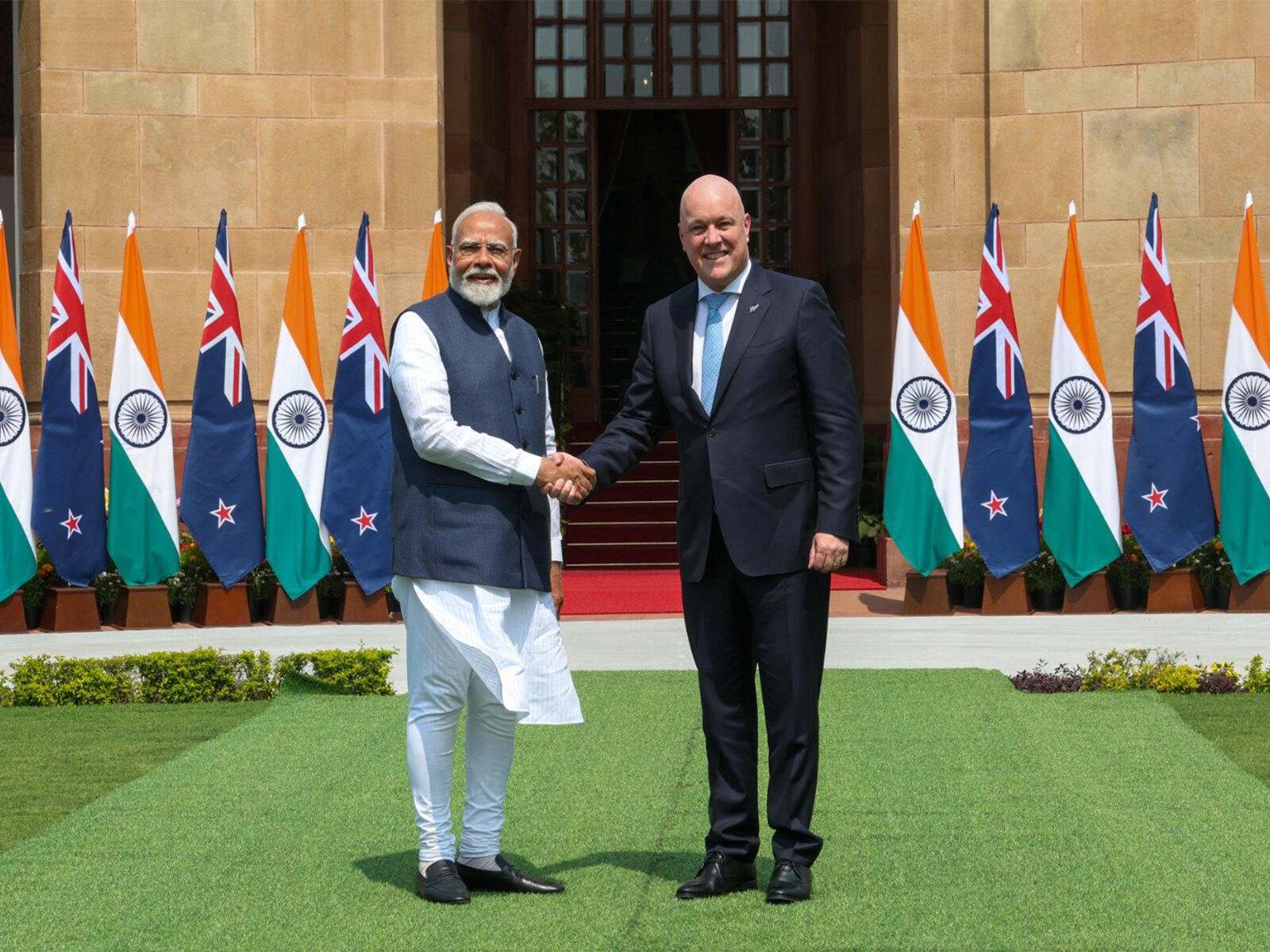
The India–New Zealand Free Trade Agreement (FTA), which comes into force on October 20, 2026, arrives at a critical moment for international commerce.With major economies reassessing their trade relationships, tariff barriers becoming instruments of geopolitical competition and traditional export markets facing uncertainty, the agreement represents more than an expansion of bilateral economic relations. It reflects India’s growing emphasis on diversifying trade partnerships and securing predictable access to international markets.The agreement provides duty-free access to New Zealand for 100% of Indian goods from the first day of implementation. India, in turn, has granted immediate tariff-free access to approximately 57% of New Zealand’s exports, increasing to 82% over time, with tariff reductions covering most remaining products. Both countries have set an aspirational target of increasing bilateral trade in goods and services to NZ$7 billion, approximately ₹35,000 crore, by 2030.The significance of this agreement extends beyond the relatively modest size of bilateral trade. For India, New Zealand offers access to a developed, high-income market in the Asia-Pacific region. For New Zealand, India represents a rapidly expanding consumer economy with considerable opportunities in manufacturing, infrastructure, agriculture, education and services.Free trade agreements in a changing global order
The international trading system is experiencing considerable strain. The United States has increasingly used tariffs to renegotiate economic relationships, while tensions involving China, disruptions to international supply chains and geopolitical conflicts have encouraged governments and businesses to reconsider their dependence on individual markets.India faces particular challenges because several of its important export destinations are experiencing economic or policy uncertainty. The ongoing negotiations with Washington illustrate how market access can become entangled with broader strategic considerations. At the same time, India’s substantial trade imbalance with China has reinforced concerns about dependence on imported manufactured goods and the competitiveness of domestic industry.In this environment, FTAs serve an increasingly important strategic purpose. They provide exporters with alternative destinations, create more predictable trading arrangements and encourage businesses to diversify their supply chains. No individual agreement can compensate for difficulties in larger markets, but a network of trade partnerships can progressively reduce economic vulnerability.The changing international environment is also influencing New Zealand’s strategy. Wellington has announced initiatives to strengthen commercial relationships with Brazil and Canada, reflecting its efforts to diversify export markets and reduce concentration risks. Its agreement with India forms part of this wider economic reorientation.New opportunities for Indian exporters
The immediate beneficiaries of the agreement are expected to include Indian manufacturers and exporters of textiles, garments, leather, footwear, engineering products, automobiles, pharmaceuticals, chemicals, gems and jewellery, and processed agricultural products.Union Commerce and Industry Minister Piyush Goyal described the partnership in terms of its practical economic benefits. Speaking during the joint announcement on October 19, he said, “The success of this agreement will be measured by the opportunities it creates and the difference it makes to the lives of the people of New Zealand and India.”Goyal emphasised that duty-free access would create opportunities particularly for MSMEs, artisans, farmers and women entrepreneurs. The agreement’s implementation was also marked by the flagging off of the first export of a JCB machine from India to New Zealand, illustrating the potential for manufactured goods to enter new markets.For smaller Indian businesses, tariff elimination can improve price competitiveness. However, gaining market share will also require compliance with technical standards, reliable logistics, competitive production costs and sustained engagement with overseas distributors.New Zealand’s Minister for Trade and Investment, Todd McClay, described the agreement as “a watershed moment in the relationship between our two countries.” He emphasised that its ultimate success would depend on the extent to which businesses actually utilised the opportunities created by the agreement.Investment, agriculture and professional mobility
An important component of the agreement is New Zealand’s commitment to facilitate USD 20 billion in investment into India over 15 years. The proposed investment could support manufacturing, infrastructure, agriculture and start-ups, although the actual inflows will depend on commercially viable projects and investor decisions.The agreement also expands opportunities in education and professional mobility. It provides for 5,000 temporary employment entry visas and 1,000 working holiday visas annually, alongside provisions facilitating education and post-study employment for Indian students. These measures could strengthen the services relationship and deepen people-to-people connections.Agriculture remains a sensitive component of India’s trade negotiations. The agreement protects important domestic sectors, including dairy and selected agricultural commodities, while providing preferential arrangements for products such as apples, kiwifruit and honey through quotas and safeguards.Cooperation on agricultural productivity, including proposed Centres of Excellence and technology transfer, could help Indian farmers improve cultivation practices and reduce post-harvest losses. The challenge will be to ensure that increased market access does not undermine vulnerable domestic producers.From market access to measurable gains
Commerce Secretary Rajesh Agrawal captured the broader economic rationale when he observed, “FTAs are about creating a deep economic partnership between countries.” He also stressed the importance of implementation, saying, “The job is now to translate this opportunity into actual benefits for our people.”That responsibility now rests with exporters, industry associations and implementing agencies, including the Directorate General of Foreign Trade and customs authorities. Clear rules of origin, efficient certification, transparent quota administration and exporter awareness will determine whether tariff concessions translate into actual commercial gains.The India–New Zealand agreement should therefore be assessed within India’s broader strategy of building diversified economic partnerships. In a world where traditional markets are increasingly exposed to political disputes, protectionism and supply-chain disruptions, such agreements provide valuable instruments for strengthening economic resilience.The FTA cannot eliminate external trade risks, nor can tariff concessions alone guarantee export growth. But it creates a framework through which India can expand market access, attract investment and deepen its economic engagement with the Indo-Pacific.Its real significance lies in demonstrating that, even as parts of the global economy turn towards protectionism, negotiated trade liberalisation remains a viable route to economic growth, competitiveness and long-term strategic cooperation.
