

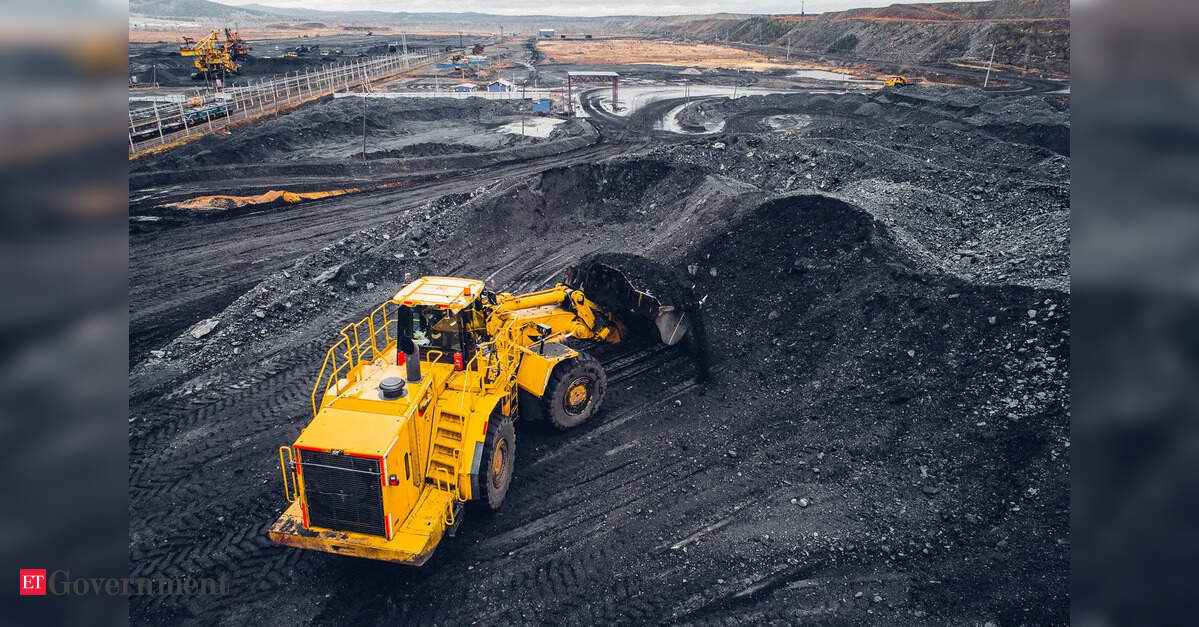
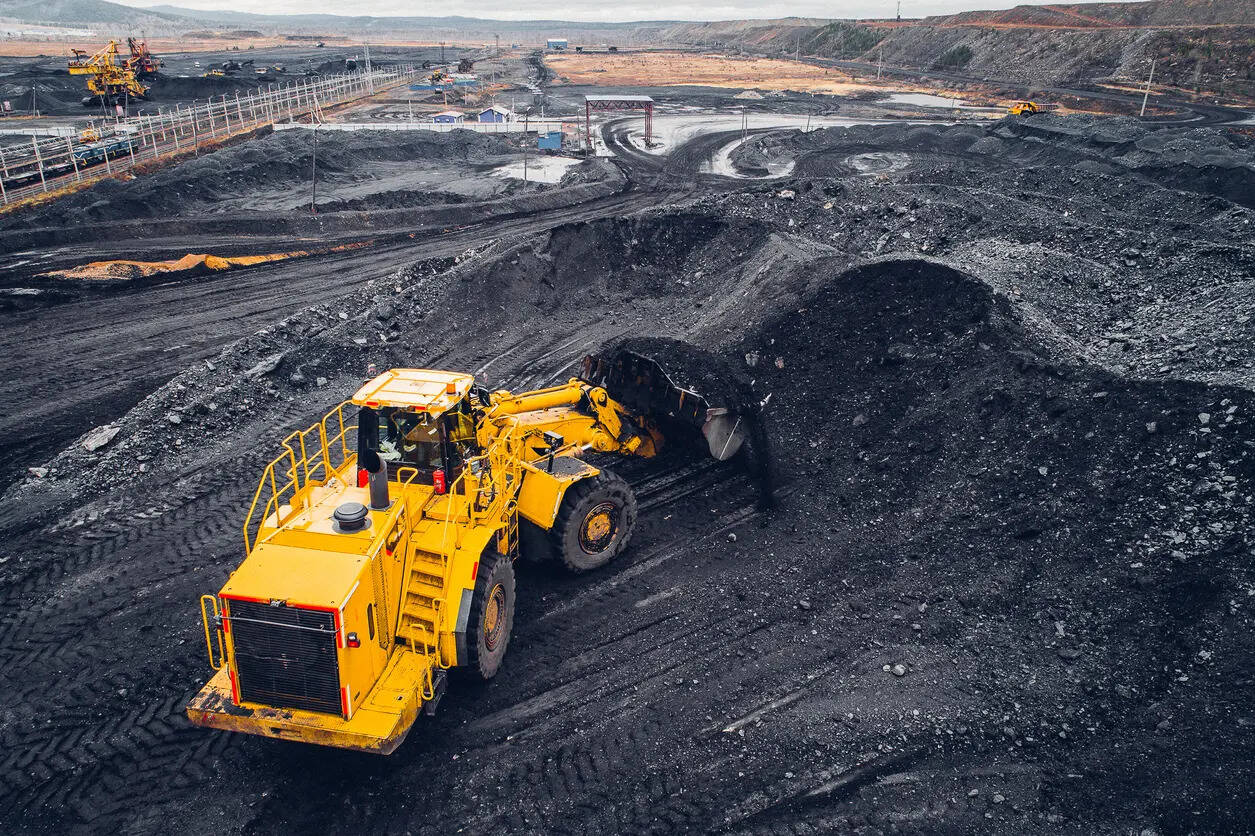
India’s power sector is confronting a significant coal supply challenge at a time when electricity consumption is rising sharply, hydropower generation has weakened and thermal power stations are struggling to maintain adequate fuel inventories.The Union government has responded by increasing coal dispatches to a record 2.6 million tonnes daily, but the persistence of critically low stocks at nearly half the country’s monitored coal-fired power plants raises questions about the effectiveness of supply-chain management and the resilience of India’s electricity system.On October 22, a senior official of the Ministry of Power said coal availability at thermal power stations was expected to normalise soon. According to Reuters, the official attributed the pressure on supplies to unusually high electricity demand, disruptions caused by rainfall in coal-producing regions and reduced hydropower availability.The government has increased supplies to major generators, including NTPC, while coordinating with coal producers and Indian Railways to improve deliveries.Why coal inventories have fallen
Data from the Central Electricity Authority (CEA) show that 96 of India’s 191 monitored coal-fired power plants had critically low coal stocks on October 19, compared with 60 in mid-September. These plants had less than three days of fuel available for generation. The increase indicates that additional coal deliveries have not yet been sufficient to restore inventories across the generating fleet.The principal immediate factor is unusually strong electricity demand. The daily peak demand has been running approximately 45–50 gigawatts above the corresponding period last year, supported by hotter weather and higher industrial consumption. Meanwhile, weaker monsoon rainfall has reduced hydroelectric generation, transferring a larger share of electricity production to coal-based stations. Coal-fired generation increased 13.3% year-on-year in September, while hydropower generation declined 20%.The imbalance is also evident in fuel consumption and dispatch figures. According to the Centre for Research on Energy and Clean Air (CREA), power-plant coal consumption remained around 79 million tonnes monthly between June and September. However, coal dispatches to power stations declined from 74 million tonnes in May to 66 million tonnes in August. By September 30, coal inventories had fallen to approximately 21 million tonnes, representing only 36% of normative requirements.The production and transportation challenge
The shortage cannot be explained entirely by inadequate coal production. Coal India had accumulated substantial inventories at mine locations even as power stations reported dwindling reserves. In September, its pithead stocks were reported at approximately 76 million tonnes, highlighting the importance of transportation capacity, railway availability and timely movement of coal from producing regions to generating stations.The geographical distribution of coal adds another dimension. Power plants located close to mines generally have greater flexibility in securing supplies, while stations dependent on long-distance railway transportation are more exposed to disruptions. Rohit Vijay, Associate Fellow at the Centre for Social and Economic Progress, observed: “Plants located far from the mines usually hold much less coal than pithead plants and are the first to face shortages.”Seasonal rainfall has also disrupted mining operations and transportation. However, the continued decline in inventories after the monsoon underscores a broader structural issue: coal production, evacuation capacity and electricity demand must be coordinated more effectively. Increasing output at mines cannot resolve shortages if the transportation network cannot deliver additional fuel to the stations that require it most.Government strategy: Accelerating coal deliveries
The government’s immediate response centres on increasing railway rake availability, improving coal evacuation and prioritising supplies to vulnerable generating stations. In an October 12 statement, the Ministry of Coal reported that daily supplies had increased from 2.21 million tonnes in September to an average of 2.49 million tonnes during October 1–10. Railway rake loading rose from 426 to 469 rakes daily during the same period.The ministry stated that “the supply to the plants with critical stocks is being closely monitored,” with coal being redistributed according to requirements. In an earlier clarification, it acknowledged that “the position is therefore stabilising, although stock rebuilding is yet to commence.” This distinction is important because slowing inventory depletion does not necessarily indicate that adequate reserves have been restored.The Centre has also sought to address regional electricity shortages. Gujarat, where industrial electricity consumption is substantial, reportedly asked factories to reduce consumption during evening hours. The Power Ministry official subsequently said the Centre had allocated additional electricity to Gujarat and maintained that the state was not facing a power or coal shortage. These differing accounts underline the need to distinguish between national supply adequacy and localised peak-hour constraints.Can record dispatches resolve the shortage?
The government’s strategy offers a plausible route to stabilisation, provided higher dispatches are sustained. However, restoring inventories requires daily coal receipts to exceed consumption consistently, rather than merely matching demand.Imports provide another possible intervention, although elevated international coal prices and currency pressures make large-scale purchases expensive. The longer-term response will require improved railway connectivity, stronger inventory planning, better demand forecasting and sufficient flexible generation and storage capacity to reduce pressure on coal-fired stations during peak periods.The Ministry of Coal has emphasised that the critical-stock classification is an early-warning mechanism, not proof of imminent plant shutdown. That distinction is valid, but the growing number of stations in the critical category remains an operational concern.India’s immediate challenge is therefore not simply to dispatch record quantities of coal, but to ensure that additional supplies reach the right generating stations and rebuild reserves before another demand surge. Sustained improvement in plant-level inventories, rather than dispatch records alone, will determine whether the government’s intervention has resolved the shortage.
