

The Appointments Committee of the Cabinet (ACC) has approved a one-year extension in the service of Defence Secretary Rajesh Kumar Singh, a 1989-batch Indian Administrative Service (IAS) officer of the Kerala cadre.He will now continue as Secretary, Department of Defence, Ministry of Defence, until October 31, 2027, or until further orders, whichever is earlier.According to an official order issued by the Department of Personnel and Training (DoPT) on October 24, the extension has been granted beyond his existing tenure ending October 31, 2026. The decision was taken in relaxation of the provisions of Fundamental Rule 56(d) and Rule 16(1A) of the All India Services (Death-cum-Retirement Benefits) Rules, 1958.In addition to serving as Defence Secretary, Singh currently holds the positions of Secretary, Department of Defence Research and Development, and Chairman of the Defence Research and Development Organisation (DRDO). These additional responsibilities place him in a significant position in the country’s defence administration, particularly in coordinating military requirements, indigenous research and development, and technological modernisation.The extension provides continuity in the senior administrative leadership of the Ministry of Defence at a time when India is pursuing several major initiatives in military modernisation, indigenous defence manufacturing, defence procurement reforms and technological transformation of the armed forces.Continuity in defence administration
As Defence Secretary, Singh occupies one of the most important administrative positions in India’s national security establishment. The Department of Defence is responsible for a wide range of policy, administrative and coordination functions concerning the armed forces and the Ministry of Defence.His continued tenure comes amid efforts to strengthen domestic defence production, expand the participation of private industry in defence manufacturing, improve acquisition processes and promote technological self-reliance. These priorities are closely linked to the government’s broader objective of developing India into a major defence manufacturing and export hub.Continuity at the Defence Secretary level is particularly relevant because major defence acquisition programmes often involve complex negotiations, inter-ministerial coordination, financial approvals and long implementation timelines. The extension will allow Singh to remain associated with these processes for another year.His additional responsibilities as Secretary of Defence Research and Development and DRDO Chairman also bring the administrative and technological dimensions of defence modernisation under his leadership. DRDO plays a central role in developing indigenous military technologies, including missile systems, radars, electronic warfare equipment, advanced materials, aerospace systems and other critical defence capabilities.India’s defence sector is undergoing changes driven by the increasing importance of artificial intelligence, autonomous systems, cybersecurity, space-based capabilities and advanced manufacturing. Integrating these technologies into military planning and procurement requires sustained engagement among the armed forces, research institutions, public sector undertakings and private industry.Focus on defence manufacturing and modernisation
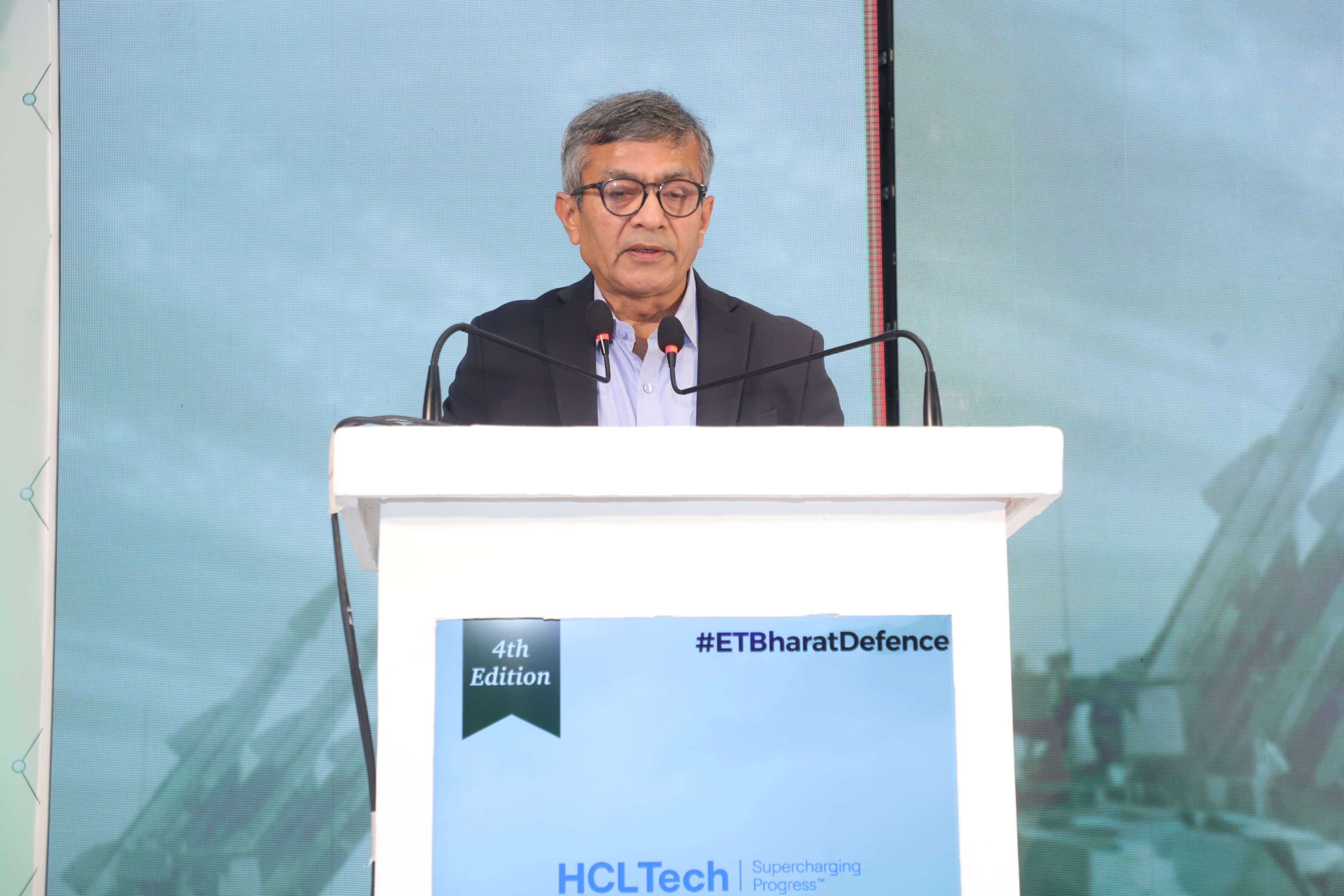
The Ministry of Defence has been working to expand domestic production capabilities while reducing dependence on imported military equipment. Major priorities include strengthening the defence industrial ecosystem, supporting indigenous research and development, encouraging collaboration between public and private enterprises, and improving the competitiveness of Indian defence manufacturers.Defence exports have also emerged as an important component of India’s industrial and strategic policy. Expanding the international market for Indian defence products requires coordination between the government, manufacturers, diplomatic missions and partner countries.At the same time, the armed forces are pursuing modernisation programmes covering combat aircraft, submarines, naval platforms, armoured vehicles, missiles, electronic warfare systems and emerging technologies. The Defence Secretary’s office plays a significant administrative and policy-coordination role in these processes.Singh’s extended tenure will therefore coincide with an important period for the implementation of defence acquisition decisions and industrial policy initiatives. However, the effectiveness of these programmes will ultimately depend on timely approvals, execution, technological capabilities and coordination among the institutions involved.Singh was also a keynote speaker at the Bharat Defence Conclave 2026, organised by ETGovernment, The Economic Times, on September 24 in New Delhi, where senior military leaders, policymakers and defence industry representatives discussed indigenous manufacturing, military modernisation and emerging technologies.The extension comes as the Ministry of Defence continues to balance the immediate operational requirements of the armed forces with the longer-term objective of developing a technologically advanced and internationally competitive domestic defence industrial base.His continued leadership across defence administration and research and development could facilitate closer coordination between procurement priorities, indigenous technology development and the operational requirements of the armed forces.
