

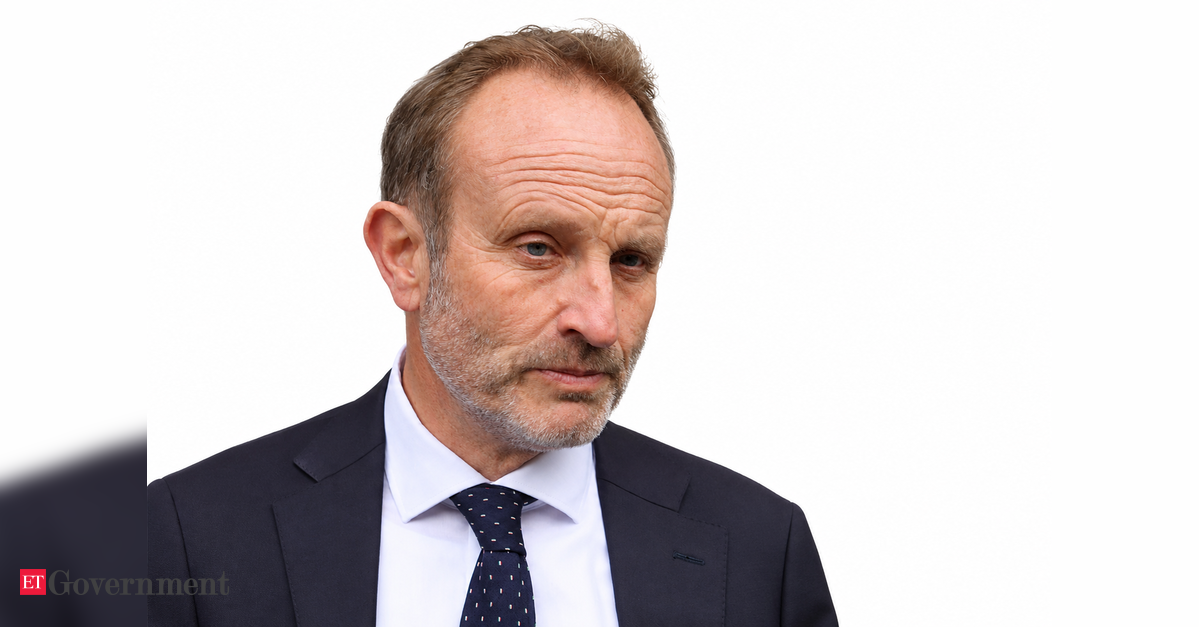
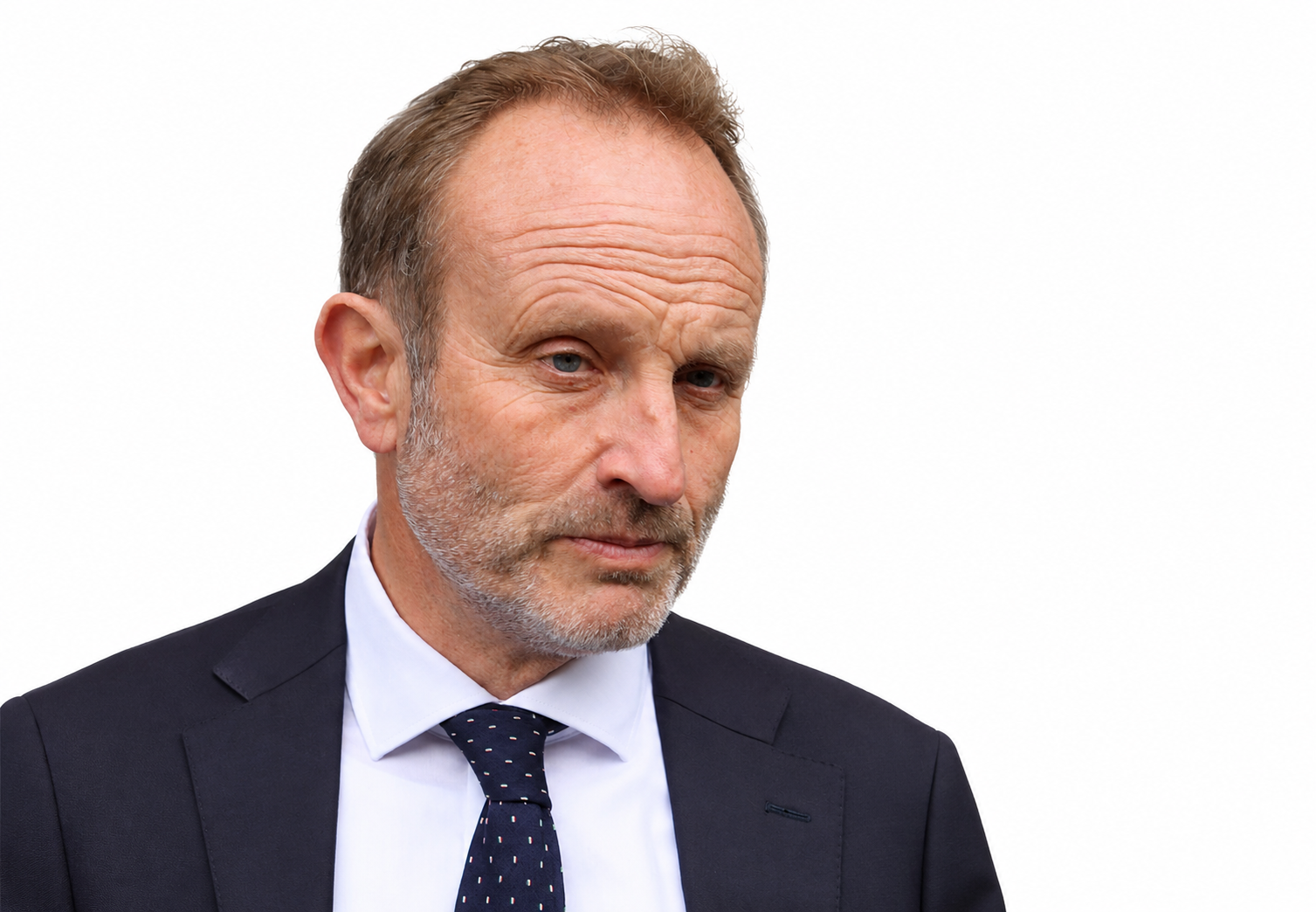
India and Denmark are looking to expand their Green Strategic Partnership into new areas of economic and technological cooperation, with renewable energy, maritime infrastructure, artificial intelligence and advanced manufacturing emerging as key priorities.During his visit to Mumbai and New Delhi on November 2–3, 2026, Denmark’s Minister for Business and Competitiveness, Martin Lidegaard, held discussions with senior Indian ministers and major industry leaders on strengthening bilateral trade, investment and green technologies. His visit also coincided with the Bharat Renewable Energy Summit and the ninth Assembly of the International Solar Alliance.In this conversation with Anoop Verma, Lidegaard describes the India–Denmark partnership as one of his country’s strongest international relationships and praises the speed and scale of India’s renewable energy transition. He discusses the economic opportunities arising from the proposed EU–India Free Trade Agreement, the potential for cooperation in green shipping and offshore wind, and India’s growing strengths in artificial intelligence and deep technologies.Drawing on Denmark’s experience in clean energy and industrial innovation, he explains how the two countries can combine technological expertise with India’s capacity for large-scale implementation to strengthen energy security, diversify supply chains and enhance economic competitiveness.Edited excerpts:India and Denmark established their Green Strategic Partnership in 2020, and both governments are now preparing a new joint action plan. How do you assess the partnership’s achievements over the past six years, and what are the new priorities, investments and institutional mechanisms in the next phase?
There is no doubt in my mind that this is one of the most important and strongest partnerships Denmark has built with any country. The impact on both countries has been considerable, and the opportunities for further cooperation are enormous.It has been seven years since I last visited India. On that occasion, too, I travelled to Mumbai and New Delhi. Returning now, I can physically see the remarkable developments that have taken place. When you examine the numbers, particularly India’s achievements in scaling renewable energy, advancing green technologies and developing green shipping, the progress becomes even more evident.I would not suggest that Denmark is responsible for these achievements. India has made tremendous progress through its own efforts. However, I am convinced that both countries have benefited significantly from our cooperation. Denmark has been able to share its experience and technological expertise, while we have gained considerable inspiration and knowledge from India’s ability to implement solutions at scale.One example is electricity grid management. In Denmark, we are dealing with increasing demand from data centres, the electrification of industry and the electrification of transportation. These developments are placing new demands on our electricity infrastructure, particularly because we already have a very high proportion of renewable energy.When I look at India, I see a country that has scaled up renewable energy much more rapidly and is now confronting many of the same challenges, but on an entirely different scale. This creates tremendous opportunities for mutual learning. Whether we are discussing industrial supply chains, electricity grid management or emerging deep technologies, the potential for cooperation is substantial. The next phase of our partnership should build on these shared experiences and strengths.The proposed EU–India Free Trade Agreement could substantially reshape economic relations between India and European countries. What opportunities do you see for Danish businesses in the Indian market? What remaining trade and regulatory barriers would you most like the agreement to address?
I believe that when it comes to the opportunities arising from a new Free Trade Agreement between the European Union and India, the sky is the limit.
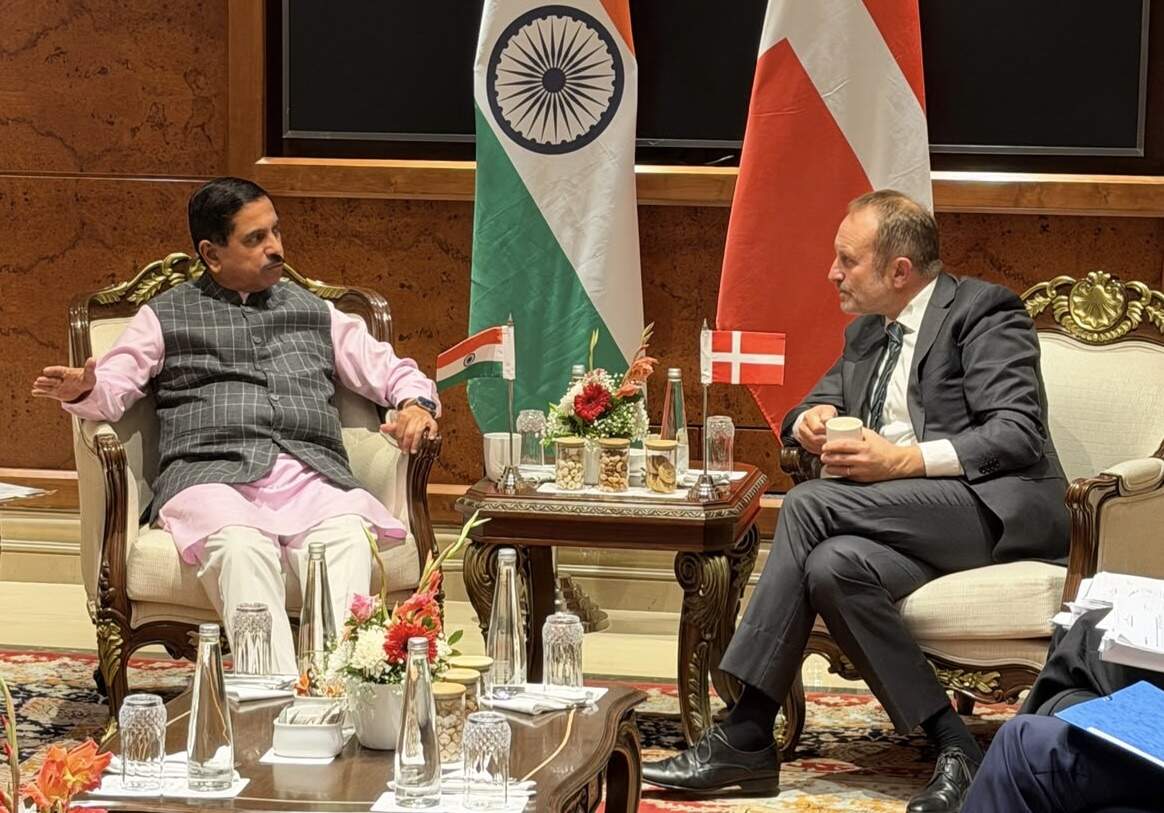
Europe needs greater diversification of its supply chains. We also need to accelerate electrification and strengthen our energy sovereignty. These priorities are no longer driven primarily by climate considerations. They have become essential for economic security, industrial competitiveness and Europe’s ability to respond to changing geopolitical circumstances.European industry, including Danish industry, must remain competitive in an increasingly challenging global environment. Greater cooperation with India can contribute significantly to achieving that objective. At the same time, India has much to gain from becoming an integral part of emerging international supply chains. There are opportunities to expand industrial production and supply components, technologies and services across several important sectors.These include renewable energy, energy efficiency, advanced technologies, green hydrogen and biogas. India has the industrial capabilities, talent and scale required to become an increasingly important partner in these value chains. I therefore see the proposed agreement as an opportunity that extends well beyond conventional trade. It can help both India and Europe strengthen their industrial foundations, diversify their economic relationships and accelerate the transition towards more secure and competitive energy systems.What are the major factors driving Danish investment in India? Following your meetings in Mumbai and New Delhi, which sectors appear most promising for the next wave of Danish investment?
There is no doubt that the sectors in which we already have strong cooperation will remain important areas for future investment. Shipping is an obvious example. Denmark and India are both major maritime nations, and Danish investors are interested in opportunities involving Indian ports, harbours and green shipping corridors.
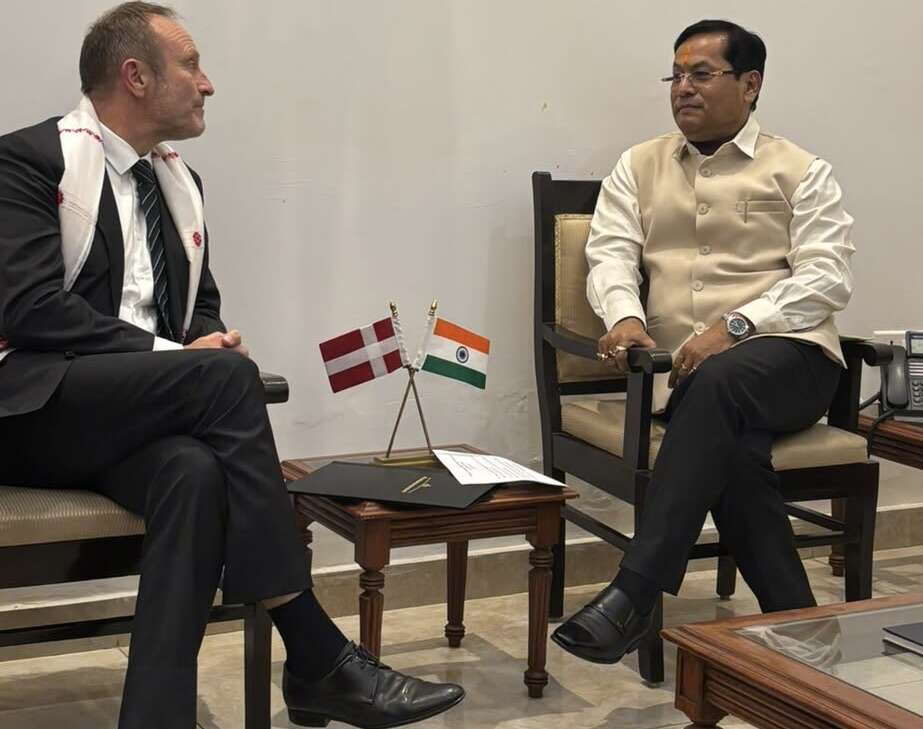
I also believe that India and Denmark should work together internationally to develop a global framework for regulating carbon dioxide emissions from shipping. Both countries have an interest in advancing the green transition in the maritime sector, and we can benefit from cooperating on international standards and regulations.Energy is another major area. It is where much of our green strategic cooperation began. I have personally been involved in developing energy cooperation with India since my time as Denmark’s energy minister. It is particularly satisfying to return and see the results of initiatives that began many years ago.Shipping and energy will therefore remain central pillars of our relationship. Life sciences is another sector where I see significant potential. However, after this visit, I would also identify artificial intelligence and deep technologies as particularly promising areas for future cooperation. India has enormous experience in information technology and a critical mass of young, talented people working in the sector. The country’s progress in digitalisation also creates important opportunities.When you consider the relationship between electricity supply and demand, automation, artificial intelligence and the large-scale deployment of renewable energy, these developments are increasingly interconnected. AI and advanced digital technologies can contribute to more efficient energy systems, better management of electricity demand and the integration of renewable energy into industrial processes.I see enormous possibilities for cooperation between Denmark and India in these emerging technological areas. Denmark brings specialised knowledge and technological capabilities, while India brings talent, scale and the ability to implement solutions across a very large economy.Denmark is among the world’s leading maritime nations, with considerable expertise in shipping technologies, port infrastructure and sustainable maritime systems. How can Denmark contribute to India’s ambitions to modernise its maritime sector, improve efficiency and expand its maritime capabilities? What opportunities emerged from your bilateral discussions?
I am pleased that you consider Denmark a world leader in maritime technologies. We have considerable strengths in several areas. Denmark is a small country, but we are among the world’s ten largest shipping nations. We also have substantial experience in developing and implementing renewable energy technologies.India, on the other hand, is the world’s most populous country and is adopting new technologies on a scale that very few other countries can match. This creates an interesting and complementary relationship. What Denmark can achieve through high-quality research, technological development and smaller-scale implementation, India can take forward on a much larger scale.That process can help reduce costs, diversify supply chains and make new technologies more commercially competitive. The maritime sector offers many possibilities for this type of cooperation, particularly in port infrastructure, green shipping corridors and technologies that improve efficiency while reducing emissions. There is also another area where I see enormous potential, and that is offshore wind energy.Some people in India may understandably ask why the country should invest in offshore wind when it is relatively more expensive than solar power or onshore wind. That is a legitimate question. If I were advising the Indian government, I would certainly not recommend relying on offshore wind alone. However, offshore wind should be considered as part of a broader renewable energy system.When a country increasingly depends on renewable energy, it needs a combination of technologies that complement one another. Solar power and offshore wind can provide that complementarity. When the sun is not shining, there may be strong winds offshore, and the reverse can also be true. This makes offshore wind valuable not simply as another source of electricity but as a means of strengthening the reliability and resilience of the overall energy system.We are also learning more about the long-term performance of offshore wind technology. When Denmark installed its first offshore wind turbines approximately 30 years ago, we expected them to operate for around 20 years. Experience now suggests that some installations may remain operational for approximately 35 years.That changes the economic assessment of the technology and makes offshore wind increasingly attractive over its full operational life. Denmark has gained considerable experience in this sector, and I hope we can begin a new chapter of cooperation with India on offshore wind development.You have been involved in green transformation and international energy partnerships for several decades. Based on your experience, how do you assess India’s renewable energy transition and its significance for the country’s economic competitiveness and energy security?
I have been working on green transformation and green strategic partnerships for much of my professional life. Over the years, I have engaged with many countries around the world on these issues. I think it is fair to say that India has pursued one of the most rapid and determined transitions towards renewable energy, along with the associated developments in electricity grids, new technologies and electrification.India is competing with other major economies that have also made substantial investments in these areas. What makes India’s experience particularly interesting is that the country has undertaken this transformation at a relatively early stage of its economic development. That distinguishes India from many other countries and makes its experience especially relevant internationally.One of the most encouraging developments during this visit was the launch of the International Energy Agency’s report examining India’s renewable energy progress over the past decade. The report looks at what India has achieved and what this progress means for the country’s competitiveness and security of energy supply. I believe it tells a very positive story.For anyone interested in understanding the relationship between renewable energy, economic competitiveness and energy security, I would strongly recommend reading it. India’s experience demonstrates that expanding renewable energy is not simply an environmental objective. It can also contribute to economic resilience, greater energy security and long-term industrial competitiveness.
