

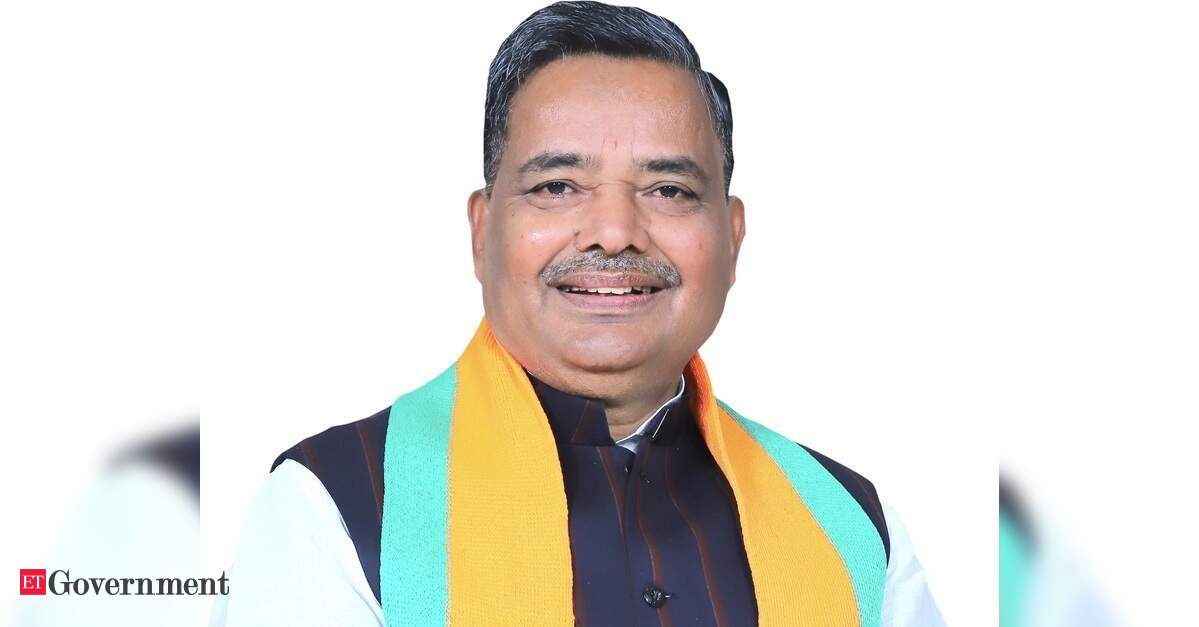
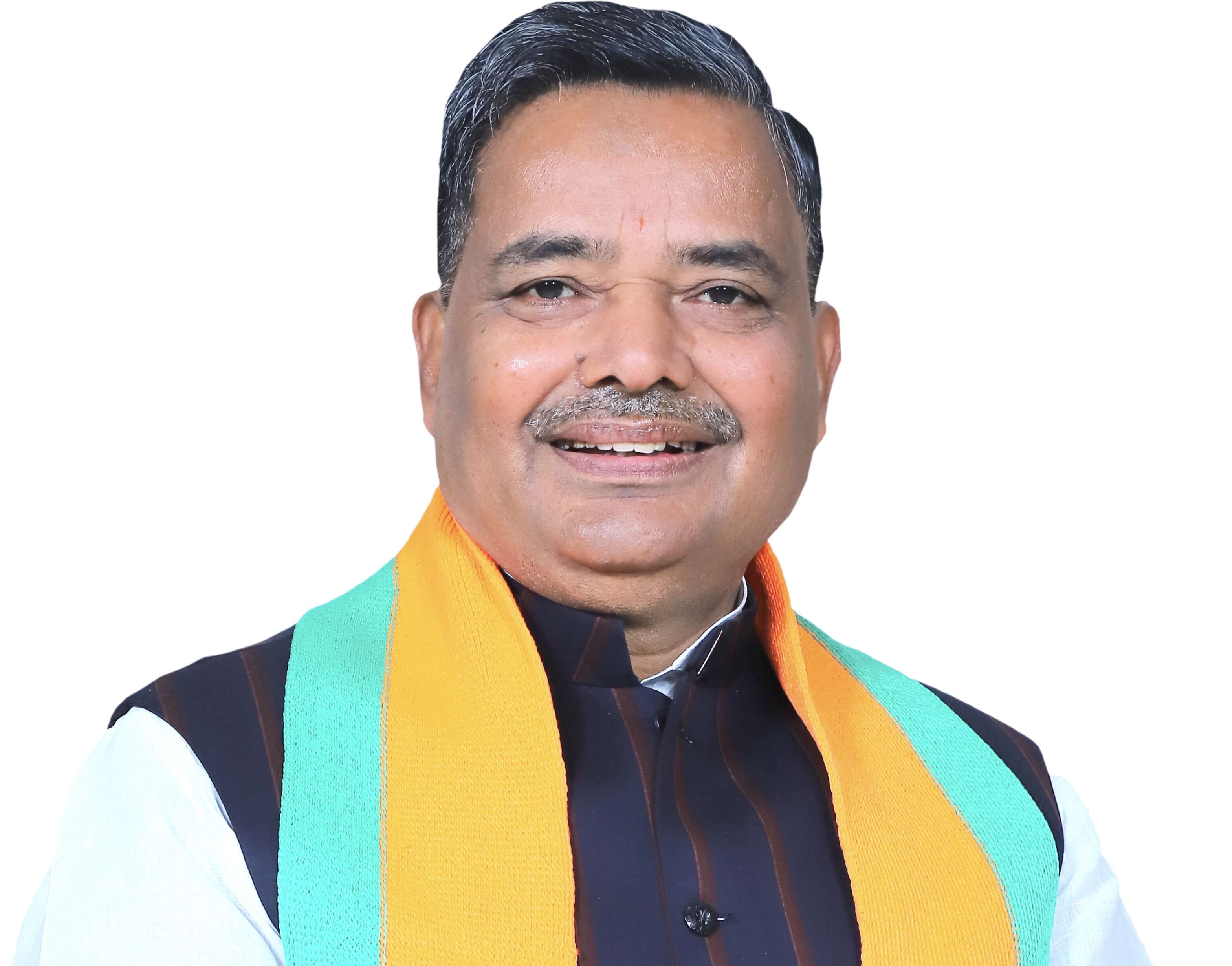
What began in 2017 as a celebration of faith and cultural heritage has evolved into one of India’s most spectacular cultural events, with an increasingly significant economic footprint.As Ayodhya prepares for the tenth edition of Deepotsav on November 7, 2026, the festival has come to symbolise much more than its record-breaking illumination of the Saryu ghats. It represents the transformation of a spiritual destination into a growing tourism and hospitality hub, generating business for hotels, transport operators, local traders, artisans and rural households.From 1.71 lakh diyas in its inaugural edition to a planned display exceeding 30 lakh at the main ghats this year, Deepotsav’s journey mirrors Ayodhya’s expanding appeal. With rising tourist arrivals, growing private investment, improved connectivity and increasing participation of local communities, the festival is emerging as a catalyst for economic development.In this interview with Arpit Gupta, Uttar Pradesh’s Tourism and Culture Minister Jaiveer Singh discusses the economic multiplier effect of Deepotsav, the opportunities it is creating for local communities, the state’s tourism investment strategy and the vision to establish Ayodhya as a year-round international spiritual and cultural tourism destination.Edited excerpts:Deepotsav has completed nearly a decade since its inception in 2017. How would you assess its journey, and what does the tenth edition signify for Uttar Pradesh?
Deepotsav represents the vision of Chief Minister Yogi Adityanath to position Uttar Pradesh’s rich cultural and spiritual heritage on the global tourism map. What started in 2017 as a celebration of our civilisational traditions has grown into an internationally recognised cultural spectacle.The scale of this transformation is remarkable. We began with approximately 1.71 lakh diyas in 2017, while the 2025 edition illuminated Ayodhya with a Guinness World Record-certified 26.17 lakh diyas. For the tenth edition, our target is to exceed 30 lakh diyas at the main ghats, with more than 70 lakh planned across Ayodhya.However, the real achievement goes beyond records and spectacle. Deepotsav has strengthened Ayodhya’s identity as a spiritual and cultural destination, increased tourist engagement, created economic opportunities and brought communities together. The tenth edition is an important milestone, but it is also an opportunity to envision the next decade, in which cultural heritage, tourism and local economic development grow together.Deepotsav is increasingly being viewed as an economic event rather than just a cultural celebration. What has been its contribution to Ayodhya’s economy?
Deepotsav has emerged as an important economic multiplier for Ayodhya. The increase in visitor numbers generates demand across several interconnected sectors, including hospitality, restaurants, retail, transportation, handicrafts, local services and event management.The economic impact is visible at the grassroots level. During the five-day Deepotsav period in 2025, the festival is estimated to have generated more than ₹55 crore for Ayodhya’s local economy. Local shopkeepers, transport operators, food vendors, flower sellers and small businesses have all benefited from the increased footfall.The broader tourism economy is generating even more significant opportunities. Average daily earnings of shopkeepers have risen from approximately ₹400–500 to around ₹2,500. Tourism growth has supported more than 1.2 lakh jobs across hospitality, retail, construction, logistics and allied services, while major events such as Deepotsav support over 10 lakh temporary and gig-work opportunities.The wider tourism economy is also estimated to contribute around ₹400 crore in additional annual GST revenue and approximately 1.5% to Uttar Pradesh’s GSDP. These developments demonstrate how our cultural assets can become powerful drivers of inclusive economic growth.How has the festival translated into tangible benefits for traditional artisans, potters and rural communities?
One of our most important priorities is ensuring that the economic benefits of tourism reach the people who preserve our traditions.Deepotsav has created a substantial and predictable market for traditional diya makers and pottery families. Procurement, which began on a relatively modest scale, has expanded to lakhs of earthen lamps, involving artisans from numerous villages across Ayodhya and neighbouring districts.For the 2026 edition, an order for 1.6 lakh diyas worth ₹12.8 lakh has provided an opportunity to 25 rural women from Ayodhya and Barabanki. This is particularly significant because it connects women’s traditional skills with organised markets and bulk procurement opportunities.We are also supporting artisans with productive assets. By October 2026, 197 potters had received electric pottery wheels to enhance their production capacity and help them fulfil larger orders.Our objective is to take this opportunity beyond the festival. We want local artisans to develop sustainable businesses, receive fair prices and access regular institutional buyers, including hotels, restaurants and tourism establishments. Deepotsav should not merely provide seasonal income; it should strengthen traditional occupations and make them economically viable for future generations.Tourism infrastructure and hospitality investment have expanded significantly in Ayodhya. How is the government preparing the city to handle growing domestic and international tourist arrivals?
The transformation of Ayodhya requires a comprehensive approach to infrastructure, connectivity, accommodation, visitor services and urban management.The opening of Maharishi Valmiki International Airport has significantly strengthened the city’s accessibility. Passenger traffic increased from approximately 2.13 lakh in 2023–24 to 11.15 lakh in 2024–25. Improved road and rail connectivity, alongside the development of public amenities, has further enhanced the visitor experience.The Department of Tourism has undertaken 102 tourism infrastructure projects in Ayodhya, with an estimated project cost of approximately ₹841 crore. These projects are intended to improve tourist facilities, strengthen infrastructure and enhance the city’s appeal as a major spiritual and cultural destination.We are also encouraging private investment through the Uttar Pradesh Tourism Policy 2022 and subsequent initiatives, including the Land Lease Policy and the Bed and Breakfast and Homestay Policy 2025.Ayodhya’s accommodation ecosystem has expanded considerably, with more than 5,000 hotel rooms and a growing presence of established hospitality operators. Alongside organised hotels, registered homestays and bed-and-breakfast establishments are enabling local households to participate directly in tourism.Our approach is to build infrastructure that serves not only visitors but also residents, local businesses and the wider economy.How is the government ensuring that Ayodhya’s tourism boom translates into long-term business opportunities rather than remaining concentrated around major festivals?
This is central to our tourism development strategy. We do not want Ayodhya’s economic activity to peak only during Deepotsav or other major religious occasions. We want to develop a sustainable, year-round tourism economy.The growing popularity of Ram Mandir has significantly strengthened Ayodhya’s position as a major pilgrimage destination. Our responsibility is to encourage visitors to extend their stays, explore the city’s cultural heritage and experience the wider region.Longer stays mean greater spending on accommodation, food, transport, shopping, local experiences and cultural activities. We are therefore focusing on developing integrated tourism circuits, improving visitor facilities and encouraging diverse accommodation options.Homestays offer an especially promising opportunity. They allow local families to become entrepreneurs and provide visitors with authentic experiences of Awadhi hospitality, traditional cuisine, village life and local culture.We are also encouraging private investment in hotels, restaurants, tourism experiences and allied services. The objective is to create an ecosystem in which local people participate as business owners, skilled professionals and employers, and where the economic benefits of tourism continue throughout the year.Deepotsav has also evolved into a major platform for showcasing India’s cultural diversity, with artists from different states and countries participating. How does this strengthen Uttar Pradesh’s cultural tourism positioning?
India’s cultural diversity is one of its greatest strengths, and Deepotsav provides a unique platform to celebrate that diversity through the timeless traditions associated with Lord Shri Ram.Over the years, the festival has brought together artists, performers and Ramlila troupes from different Indian states and several countries. Participation has grown from approximately 200 artists in 2017 to around 1,800 artists scheduled for the 2026 edition, according to our event preparations.The festival’s cultural programme has also expanded considerably. What began with traditional performances has evolved to include international Ramlila, folk dances, musical presentations, drone shows, projection mapping, water projection and other contemporary forms of storytelling.This blend of tradition and technology allows us to present our heritage in ways that resonate with younger audiences and international visitors.It also creates opportunities for performers, production professionals, costume designers, technicians and local creative enterprises. Our objective is to ensure that cultural tourism not only showcases India’s heritage but also provides sustainable professional opportunities for those who preserve and present it.Digital engagement has become an important part of Deepotsav’s outreach. How are you using technology and social media to attract younger audiences and international visitors?
Digital platforms have fundamentally changed the way cultural events are experienced and promoted. Deepotsav is no longer confined to the physical boundaries of Ayodhya; it reaches audiences across India and around the world.During the 2025 campaign, Deepotsav generated approximately 3.61 crore social media engagements, with a reach of 96 lakh and substantial engagement through live streaming.We are building on this momentum in 2026, with a digital reach target of five crore. An important part of this strategy is our network of local content creators, influencers and young storytellers who are showcasing Ayodhya’s transformation, its cultural heritage and the grandeur of Deepotsav.We particularly value the participation of women and young creators. They are helping communicate the story of Uttar Pradesh’s development to audiences that may not otherwise engage with conventional tourism campaigns.Technology is also enhancing the on-ground experience through immersive shows, digital storytelling and innovative event presentations. We see digital engagement as an important bridge between cultural heritage and the aspirations of a new generation.What is your vision for Ayodhya and Uttar Pradesh’s tourism sector over the next five to ten years?
Our vision is to establish Uttar Pradesh as one of India’s leading spiritual, cultural and heritage tourism destinations, with Ayodhya occupying a prominent position on the global tourism map.Ayodhya has enormous potential, not only because of its religious significance but also because of its cultural heritage, traditions, architecture and association with the Ramayana. We want visitors from across the world to experience this legacy through well-developed infrastructure, quality hospitality and meaningful cultural experiences.The next phase of development must focus on sustainability, quality services, local entrepreneurship and the preservation of our heritage. We want to encourage greater participation from local communities, strengthen rural tourism, support traditional artisans and create opportunities for women and young people.Our infrastructure investments must deliver lasting value, and private sector participation must complement public investment. At the same time, the protection of the Saryu, the cleanliness of the city, visitor safety and the conservation of cultural assets must remain integral to our tourism strategy.Ultimately, we will measure success not simply by the number of visitors or the scale of celebrations, but by the quality of livelihoods created, the strength of local enterprises and the extent to which our people benefit from tourism-led development.Deepotsav’s next decade must be about turning the light of our cultural heritage into lasting prosperity for Ayodhya and Uttar Pradesh.
