Microfinance in India is entering a phase where questions of scale, sustainability, and measurable impact are becoming as important as outreach.
As rural livelihoods diversify and women-led micro-enterprises expand beyond subsistence activity, the role of microfinance institutions is steadily shifting—from being providers of last-mile credit to becoming long-term partners in economic mobility and local entrepreneurship.
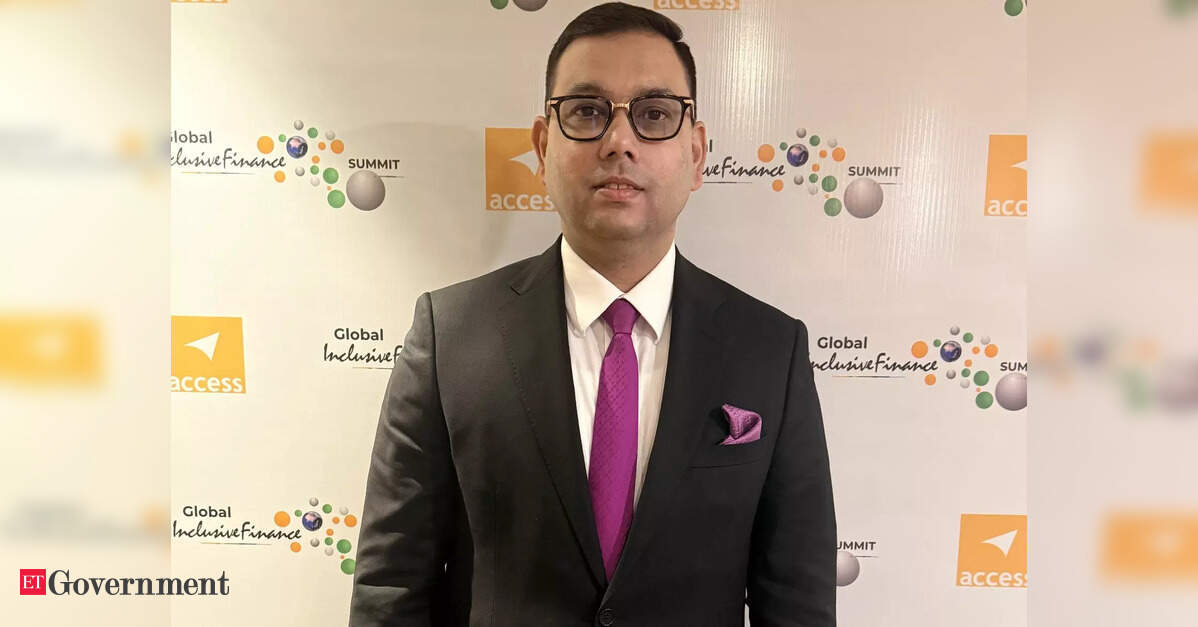
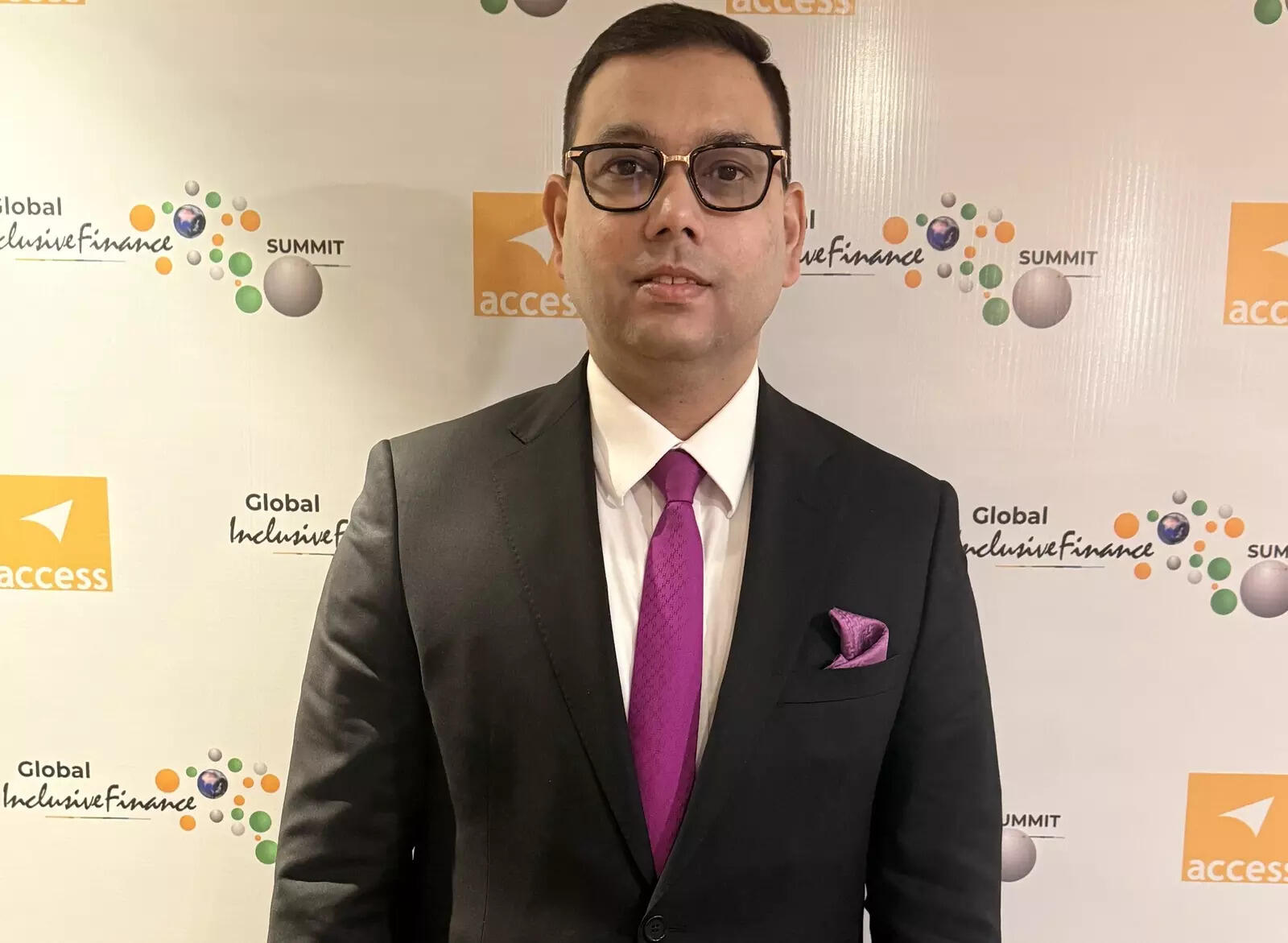
This interview with Sadaf Sayeed, CEO of Muthoot Microfin Ltd., was conducted on the sidelines of the Global Financial Inclusion Summit organised by ACCESS Development Services.
In conversation with Anoop Verma, Sayeed outlines the strategic thinking behind the Muthoot Group’s foray into microfinance, the organisation’s deep rural footprint, and its emphasis on responsible growth, technology-led underwriting, and customer-centric lending models. He also shares his assessment of the sector’s future trajectory, the policy support required to lower the cost of credit, and the role microfinance can play in strengthening India’s inclusive growth story.
Edited Excerpts
The Muthoot Pappachan Group is widely known for gold lending, but it also has a strong presence in microfinance. What prompted the Group to enter this space?
The Muthoot Pappachan Group is, in fact, a well-diversified financial services group. While gold finance is our most visible business, we are also present in microfinance, vehicle finance, affordable housing, and other financing verticals. Financing is our core competence, and our niche has always been serving customers at the bottom of the pyramid.
When we were doing well in gold lending, we realised there was a large segment of upcoming borrowers who did not yet have assets and therefore lacked access to formal finance. These customers would eventually need financial services as their incomes grew. Our thinking was to create a kind of backward integration—support them early through microfinance, help them stabilise and grow their income, and eventually enable them to build assets.
Over time, they could then become gold loan or other mainstream customers of the Group. That was the fundamental idea behind entering microfinance, and today we can proudly say it is one of the most successfully incubated businesses within the Group.
What is your geographical footprint? Are you focused on urban or rural areas?
Our focus is overwhelmingly rural. About 95 percent of our branches are located in rural areas. We operate in 22 states with around 1,748 branches across the country, covering all regions—from north to south, east to west. The idea has always been to be present where access to formal credit is limited.
Micro-lending is often considered relatively safe because borrowers tend to repay diligently. How has your experience been in India?
That perception is absolutely correct. Rural borrowers and low-income households are generally very disciplined and honest when it comes to repayment. For us, microfinance is not just about lending money; it is about financial inclusion and creating real impact. We are not interested in pushing debt, but in helping people progress—whether by starting a small enterprise, expanding an existing activity, or moving steadily out of poverty.
Today, we serve around 3.4 million customers, and the journey has been deeply fulfilling. In our recent quarterly report, we highlighted the story of a customer from Alappuzha who joined us in 2018. She started with a small bag-making business, earning about ₹6,000 per month. Today, she earns close to ₹60,000 per month. She is one example, but there are many such stories across our network. That is the most rewarding aspect of this business.
What kind of growth are you witnessing in the microfinance sector?
The opportunity is very large, but we believe in growing in a calibrated and responsible manner. We are seeing annual growth of around 15 percent, and we believe that a 15–20 percent growth rate is healthy and sustainable for us.
Who are your primary borrowers? Do you also lend to farmers?
Our borrower base includes farmers, micro-entrepreneurs, and women borrowers. Our core focus is on rural, village-level enterprises and women’s joint liability groups engaged in small activities such as vegetable vending, cattle rearing, dairy farming, or other allied agricultural activities.
Over time, we have also innovated and upgraded our product offerings. For instance, we offer dedicated dairy loans, enterprise loans for customers who need larger capital as their businesses grow, and even loans against property for customers who have progressed significantly and require ₹5–10 lakh to expand. However, the core of our business continues to be the joint liability group model.
With the Union Budget approaching, what expectations does the microfinance sector have from the Finance Minister?
Liquidity is the most critical requirement for the sector at this point. One of the key proposals the industry has been advocating is the introduction of a credit guarantee scheme. If the government allocates funds for such a scheme—similar to what was done during COVID—it would give banks much greater confidence to lend to microfinance institutions.
Another important expectation is the creation of a dedicated refinancing window for NBFCs, particularly microfinance institutions. Housing finance companies, for instance, have access to refinance through institutions like NHB at reasonable rates, but microfinance NBFCs do not have a comparable facility. If such a mechanism were introduced, it would significantly reduce our cost of funds and allow us to pass on cheaper credit to the last-mile borrower.
How is Muthoot Microfin leveraging technology to reach and serve rural borrowers?
We consider ourselves a technology-driven microfinance organisation and have been at the forefront of digital adoption from day one. We have developed our own loan management and core systems. We also have a customer app with around two million users out of our total 3.4 million borrowers.
The app is helping us transition from cash-based collections to digital collections and is empowering customers by improving transparency and ease of transactions. In addition, we are using AI in our underwriting process. Customer interactions conducted in local languages are recorded, converted into text, and analysed in real time to generate credit appraisal inputs. This significantly strengthens our underwriting quality.
How do you see the microfinance sector evolving over the next five years?
Over the past year, industry research has highlighted important shifts, many of them driven by recent crises. The biggest lesson has been the need for more granular customer assessment. Lending must be firmly anchored in income assessment and repayment capacity. A one-size-fits-all approach—where everyone in a group receives the same loan amount—will not work going forward.
Each customer must be assessed individually, based on their obligations, income stability, and capacity to repay, and loans should be customised accordingly. We have always focused strongly on underwriting, and I believe this approach will become central to the industry.
As the economy grows, the microfinance sector will play an increasingly important role in supporting entrepreneurship. From a current size of around ₹3.3 lakh crore, the sector could potentially grow to ₹10 lakh crore over the next few years.
There are concerns, especially in urban areas, about high interest rates in microfinance. What can be done to address this?
Access to affordable refinance is the most effective solution. If microfinance institutions can obtain refinance at reasonable rates, that benefit can be passed on directly to borrowers. The RBI has already done commendable work by introducing a transparent interest rate framework that factors in borrowing costs, operating expenses, risk margins, and reasonable profit.
As operating efficiencies improve and the cost of funds comes down, institutions will naturally be able to reduce lending rates. This will ensure borrowers benefit, while allowing lenders to remain sustainable.